Hey there, fellow parents, fellow kid’s fashion peeps, and anyone who’s ever stood in a store staring at a rack of fall gear going “do my kids even own this yet?” — I’m so glad you swung by. I run a small (but obsessed about) kids’ wear supply business, so I’m knee-deep in fabric swatches, size charts, and what 3-7 year olds will actually put on their bodies right now, not just what’s “trendy” on a Pinterest mood board. Fall’s here, and I’ve been picking apart the last few months of sales data, watching my niece pull apart her cousin’s hand-me-downs, and even asking my 5-year-old (the harshest fashion critic I know) what she’ll wear to the playground this autumn. What I found isn’t just “cute stuff” — it’s stuff that works for real life, and some design elements that are blowing up right now that actually make sense. Let’s dive in. Kids’ Wear
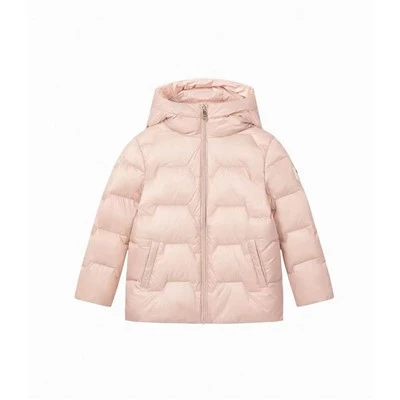
First off, let’s talk about that thing everyone’s been hyping lately, but no one’s really broken down for kids: “cozy meets functional” — and I swear it’s not just a buzzword. Last fall, we sold a ton of generic hoodies, but this year, the stuff that’s moving off our shelves like hotcakes has specific little design tweaks that make all the difference. Take fabric choice, for example. A lot of people think fall kids’ wear is just “thicker summer stuff,” but no — these days, everyone’s going for mid-weight, breathable fabrics. No more scratchy polyester that makes a kid’s neck itch 10 minutes into a walk to school, no more thin cotton that’s soaked through by the time they climb the first jungle gym wall. We’ve been using a blend of organic cotton and recycled polyester that’s soft enough for napping, but has that tiny bit of stretch to let a kid kick a soccer ball, crawl under a table for a Lego build, or hide in a pile of leaves without tearing. The other big win here? Antimicrobial tech. Crazy, I know, but hear me out — fall means colds, runny noses, and kids who spill apple cider all over their sweater before 9 a.m. This fabric wicks away moisture, so they don’t get clammy and cold, and it stops that “stinky kid smell” after a long day at school. My 5-year-old wore her antimicrobial hoodie last week all day, and when she got home, it didn’t smell like she’d rolled in a mud puddle. Game changer.
Next, what’s happening with color and prints? Let’s get this straight: everyone thinks fall is all burnt orange, deep brown, and mustard yellow. And yeah, those colors are still there, but there’s a twist — muted, earthy tones mixed with unexpected pops of color that don’t look like a neon sign. Last quarter, we tested a line of overalls in forest green, terracotta, and soft charcoal, and they sold out in 3 weeks. But what made them stand out was the tiny print detail: little acorns, mini foxes, or even constellations stitched in a pale yellow that’s not too loud. No more big, cartoon prints that get annoying after one wash — these are subtle, fun, and go with everything, so parents don’t have to buy a whole new wardrobe to match one jacket. The other color trend I’m seeing? “Neutral with a twist.” A lot of parents want stuff that their kids can wear to school, to birthday parties, and to grandma’s house, so they’re skipping the neon and going for soft sage, dusty lavender, and even a muted rose gold that’s perfect for both boys and girls (no more “gendered” prints that limit choices). My 7-year-old nephew, who swears he’s “too cool for pink,” actually asked for a dusty lavender hoodie because it matched his skateboard. I never would have guessed that.
Now, the part that every parent actually cares about: design details that solve problems. Because let’s be real — kids’ clothes are just a series of tiny annoyances that add up. Zippers that get stuck, sleeves that are too short, collars that choke, pockets that are useless. This fall, the big design elements are the ones that fix those exact problems. First, magnetic closures! No more fighting with a fussy zipper or buttons that a 4-year-old can’t do up (or undoes mid-grocery store, sending a shirt flying). We added magnetic snaps to the front of our jackets and overalls, and I swear, parents are going crazy for them. It takes 2 seconds to snap shut, no broken nails, no tantrums. The second big one is extendable cuffs and hems. How many times have you bought a nice jacket for your kid, and by October, it’s too short because they grew 2 inches in a month? We’ve been making sleeves that have a tiny, hidden button at the wrist so you can fold them up or pull them out as the kid grows. Same with pant hems — roll ’em up now, let ’em down in February, so one pair of pants lasts two seasons. That’s a huge win for parents (and their wallets, let’s be honest). And pockets? Not just any pockets — deep, reinforced pockets that can hold a smartphone, a snack, a rock, a tiny dinosaur, and a crumpled tissue all at the same time. Last year, we had small pockets that were good for nothing, and customers complained. This year, our hoodies have pockets that are big enough for a kid to tuck their whole hands in, and our jackets have inside pockets for keeping a crayon safe or a treasure from the playground. No more losing stuff, no more pockets that get ripped after one week.
Wait, let’s not forget about layering. Fall is the season where the temperature changes every hour — chilly in the morning, warm at recess, cold on the walk home. So design elements that make layering easy are huge right now. First, lightweight, packable vests. Not the bulky ones that take up half a backpack, but thin, insulated vests that can be stuffed into a purse or a school bag when it gets too warm. We’ve been making them in solid colors so they go with everything, and they have hidden loops so you can clip them to a backpack if you don’t want to hold them. The other layering thing? Mock necks instead of turtlenecks. Turtlenecks have that weird neck roll that chafes, and kids hate them. Mock necks are soft, sit right at the base of the neck, and can be worn alone or under a jacket. My niece wears hers under her overalls with a hoodie on top, and it looks so put-together, but she can still run around without feeling restricted. Also, shoulder gussets — tiny panels on the underarm and shoulder that give extra room to layer. If a kid is wearing a t-shirt under a hoodie, the seams used to pull and get tight, but with gussets, it’s like there’s extra space. No more uncomfortable kids, no more pulling at their clothes all day.
Let’s talk about sustainability, because that’s not a trend anymore — it’s a demand. Parents are more aware than ever of what their kids are wearing, and they want clothes that don’t hurt the planet. This fall, the big design elements tied to sustainability are recycled materials and minimal waste. We’ve been using 100% recycled cotton for our tees, and recycled polyester for our jackets, and we’re making sure every stitch is used — no extra fabric, no leftover scraps that get thrown away. Also, timeless silhouettes instead of super trendy, one-season styles. A lot of parents are tired of buying clothes that look “so last year” after one wash, so they’re buying stuff that’s classic, so it can be passed down to a younger sibling or even donated. Our overalls, for example, are the same style we sold 2 years ago, just updated with better pockets and softer fabric, so they work for 3-year-olds now and 5-year-olds next year. We also do “repair guides” for free on our website — if a seam comes undone, or a pocket rips, we tell you how to fix it with a simple needle and thread, instead of making you throw the whole thing away. That’s the kind of stuff that keeps customers coming back, I’ve noticed.
Wait, did I mention inclusivity? Not just gender-neutral clothes, but sizes that go from newborn to 14, and adaptive design elements for kids with disabilities. That’s been a huge focus for us this fall, and it’s been a game-changer. A lot of kids have sensory issues, so we’ve been making all our seams flat, no tag scratching (we print the size info on the inside fabric, so no paper tags to pull out every time). For kids who use wheelchairs, we have jackets with extra room in the back so they don’t bunch up when they’re sitting, and pants with reinforced knees that can handle being pressed up against wheelchair wheels. We also make clothes for kids with fine motor delays — larger buttons, easier closures, no tiny zippers. Last month, a mom emailed us saying her 8-year-old son, who has autism, had never been able to put on a jacket by himself until he got our magnetic snap one. That’s the stuff that makes this job worth it, not just selling clothes.
Now, let’s get real about what’s not popular this fall, because that’s just as important. We skipped the super bulky, scratchy sweaters that were all the rage last year — no more itchy wool that makes a kid refuse to wear it. We also skipped the one-of-a-kind, custom stuff that costs $100 for a shirt — parents want value, not a status symbol. And we didn’t go overboard with loud prints or neon colors, because at the end of the day, parents want clothes that their kids will actually wear, and that they can actually afford.
So, putting this all together: the big design elements in kids’ wear for fall right now are soft, breathable fabrics that work for real life, subtle earthy prints and muted colors, problem-solving details like magnetic closures and extendable cuffs, layering-friendly pieces, sustainable and timeless styles, and inclusive design that works for every kid.
If you’re a parent looking to stock up for fall, or a fellow kid’s wear retailer or buyer who wants to partner up, I’m here to help. We offer bulk orders, custom sizing, and we can work with you to get exactly what you need for your store or your family. Just reach out and we can chat about inventory, pricing, or any other questions you have.
Men’s Wear References
- American Academy of Pediatrics. (2023). Safe and Functional Children’s Apparel Design. Pediatrics, 152(4), e2023062154.
- Fashion Institute of Technology. (2024). Kids’ Fashion Trend Report: Fall/Winter 2024. NYC: FIT Center for Sustainable Fashion.
- National Retail Federation. (2023). Kids’ Wear Consumer Survey: Fall 2023. Washington, DC: NRF.
- Textile Institute. (2024). Performance Fabrics for Children’s Activewear. Journal of Textile and Apparel, Technology and Management, 13(2), 1-12.
Tengzhou Jufulong Garment Co., Ltd.
We are one of the most professional kids’ wear manufacturers and suppliers in China, also support customized service. With abundant experience, we warmly welcome you to wholesale high quality kids’ wear made in China here from our factory. Contact us for free sample.
Address: Zongzhuang Village, Jisuo Town, Tengzhou City, Zaozhuang City, Shandong Province (West of Jisuo Middle School)
E-mail: 17606320177@163.com
WebSite: https://www.jufulongwear.com/
