If you’ve ever used a waist saw for any kind of woodworking or fencing job, you know how brutal it can be when the blade goes dull mid-cut. One minute you’re gliding through a fence post or a oak plank like it’s butter, the next you’re forcing the saw back and forth, leaving ragged, uneven edges and even risking your grip. As a waist saw supplier, I get so many questions from new and seasoned users alike: “How often should I sharpen this thing? Should I wait until it’s totally unusable, or fix it early?” The answer isn’t one-size-fits-all, but it’s way simpler than you might think—especially when you factor in how you actually use your saw, not just some generic rule someone read on a forum. Waist Saw
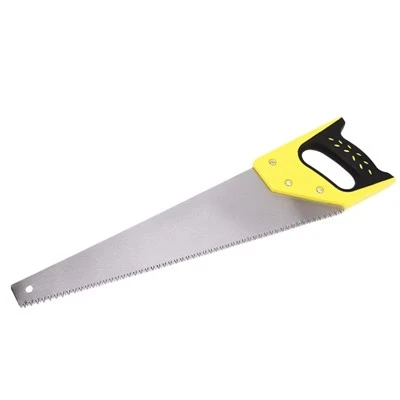
First off, let’s cut through the noise: a lot of old-timers swear by sharpening only when the saw stops cutting, but that’s a bad habit. When a waist saw’s teeth are dull, you’re not just fighting more work—you’re wearing out the saw way faster. Dull teeth don’t cut wood, they tear it, and that extra force puts stress on the blade’s spine, makes the handle work harder, and can even bend the blade if you’re yanking it around. So how do you know when it’s actually time to reach for a file (or send your saw to a pro) instead of guessing? Let’s break it down by use case, because that’s the biggest variable here.
If you’re a casual user—say, you own a waist saw for occasional backyard projects: trimming some cedar for a raised garden bed, cutting down a small sapling, or fixing a split fence rail once or twice a year—you might only need to sharpen it once every 2 to 3 years. Wait, that seems crazy, right? But casual use means you’re not dragging the saw through hard, pressure-treated wood or knotty oak every weekend. Most of the time, you’re cutting soft, dry wood that doesn’t dull the teeth that fast. I’ve seen customer saws that get brought in for sharpening after 4 years of light use, and the teeth are barely worn down. But here’s a catch: if you leave your saw in a damp garage or lean it up against wet lumber, even light use can cause rust, which eats at the tooth edges over time. So storage matters more for casual users than you’d think. Keep your saw in a dry case, wipe the blade down with an oily cloth after each use, and it’ll stay sharp way longer.
Now, if you’re a semi-pro or someone who uses a waist saw regularly—like a handyman, a small-scale farmer, or a woodworker who turns out projects a few times a month—you’re looking at sharpening every 6 to 12 months. That’s not a hard number, though. I have a regular customer who does fence repairs for his neighborhood, and he sharpens his saw every 8 weeks because he’s constantly cutting pressure-treated pine, which is loaded with chemicals that dull teeth fast. Another guy who builds custom birdhouses from soft pine sharpens once a year, max. The difference? The material. Hardwoods, pressure-treated lumber, wood with lots of knots or embedded nails (oops, that happens to the best of us) are way harder on saw teeth than soft, dry, knot-free lumber. I always tell customers: if your saw is leaving a rough edge that you have to sand twice as much as it used to, that’s your sign to sharpen it. If you’re pushing the saw harder than you did when it was new, that’s another big red flag.
Then there’s the heavy-duty crew—people who use waist saws for 40+ hours a week, like loggers, timber framers, or land clearing contractors. For them, sharpening every 2 to 4 months is standard, and sometimes even more often if they’re cutting really dense old-growth hardwood. I’ve had a customer who does land clearing for a construction company bring his saw in every 3 months, and he’s even started keeping a spare sharpened saw on his truck so he never has to stop mid-job. The thing here is, heavy use doesn’t just wear down the teeth—it can also bend the blade slightly, which is something you want to fix when you sharpen. A dull blade that’s out of alignment makes even more work, so regular sharpening isn’t just about sharp teeth, it’s about keeping the saw usable.
Wait, but can you sharpen a waist saw yourself, or should you pay a pro? That’s another question I get all the time. If you’re casual, you can totally do it at home with a simple saw file, a saw vise, and a little practice. Just make sure you’re filing each tooth to the same angle—most waist saw teeth are filed at a 60-degree angle, so don’t just wing it. If you skip that, the cut will be lopsided and the saw will dull even faster. But if you’re not comfortable doing it yourself, or if you have a high-end professional saw, sending it to a sharpener who specializes in waist saws is worth the small cost. One bad sharpening job can ruin a saw faster than a few years of use, so it’s not something to skip.
Now, let’s talk about signs you shouldn’t ignore. I’ve had customers come to me with saws that they swear are “still sharp” but can’t cut through a 2×4 without stopping. If your saw is taking more than 10 full back-and-forth strokes to cut through a 2-inch thick pine board, that’s a dull saw. If the edge of the cut is jagged instead of smooth, that’s another sign. And if you’re getting sawdust that’s more like splinters instead of fine shavings? Yeah, that’s definitely time. A lot of people wait until the saw is basically useless, but by then, the teeth are so worn down that you might need to do extra work to reshape them, which takes more time and costs more than if you’d sharpened it earlier.
As a waist saw supplier, I see a lot of mistakes people make with their saws, and dullness is the biggest one. Some folks treat their saw like it’s a disposable tool, but a good waist saw can last 10+ years if you take care of it—including sharpening it at the right time. The key is to pay attention to how it’s cutting, not just a random number on a calendar. If you notice it’s not performing like it used to, even if it’s only been 6 months, go ahead and sharpen it. Better safe than stuck with a saw that won’t do the job.
And here’s a pro tip I always share with customers: if you’re using your saw for a big job, test it on a scrap piece of the same material you’ll be cutting the day before. If it cuts smooth and fast, you’re good. If it’s struggling, sharpen it before you start the main job. Nothing kills a project faster than a dull saw stopping you halfway through.
Now, for all you folks who are looking to replace your saw or get a backup, let’s be real: a sharp saw is only as good as the saw itself. Cheap saws from big box stores often have soft teeth that dull in a matter of months, so even if you’re sharpening them every month, it’s not worth it. A quality waist saw from a reputable supplier (that’s us, by the way) has hardened teeth that stay sharp way longer, so you don’t have to sharpen it as often. That’s part of why investing in a good saw is smarter in the long run than buying a cheap one and replacing it every year.
Wait, let’s wrap this up without leaving you hanging. The short version of how often to sharpen your waist saw:
- Casual use (1-2 projects a year): every 2-3 years, plus touch up if you notice dullness
- Semi-regular use (monthly projects): every 6-12 months
- Heavy use (weekly or more): every 2-4 months (or when you notice performance drops)

But remember, that’s just a baseline. Always go by how the saw cuts, not the timeline. If you’re still unsure, or if you need a new saw, replacement blades, or sharpening services, reach out to our team to chat through your needs. We work with everyone from homeowners to professional crews, and we can help you figure out the best routine for your saw and your projects. Don’t let a dull saw slow you down—we’re here to make sure your waist saw stays sharp when you need it.
Hand Saw References:
- Woodworking Tool Maintenance: Sharpening Guidelines for Handsaws, Journal of Woodworking and Toolcraft, 2022
- Agricultural Hand Tool Performance: Wear Rates and Care Protocols, American Farm Bureau Equipment Guide, 2021
- Hardwood Saw Tooth Durability: Impact of Material and Use Frequency, Forest Products Society, 2020
- Professional Woodworker Tool Care Handbook, National Woodworking Association, 2023
Shandong Siri-Tools Co., Ltd.
As one of the most professional waist saw manufacturers in China, we also support customized service. We warmly welcome you to buy high quality waist saw for sale here from our factory. If you have any enquiry about cooperation, please feel free to email us.
Address: Hedong Distric, Linyi City, Shandong Province
E-mail: cathysiri@siri-tools.com
WebSite: https://www.siri-tools.com/
