If you’ve ever stood in front of a weathered wire mesh fence, peeling paint, rust spots, and dull, faded color staring back at you, you know how quickly that once functional barrier can turn into an eyesore. As a wire mesh fence supplier, I’ve helped hundreds of customers tackle this exact task—whether they’re maintaining a residential backyard enclosure, a commercial property’s perimeter, or a industrial facility’s security fencing—and let me tell you, it’s not just about grabbing a can of spray paint and going to town. There’s a science to painting wire mesh that ensures the finish lasts, protects the metal from rust, and doesn’t end up with drips, uneven coverage, or hours of rework later. Today, I’m walking you through the step-by-step process I share with every client that calls me for fence supplies, plus the common mistakes I see people make (and how to avoid them). Wire Mesh Fence

First, let’s talk about why painting a wire mesh fence is different from painting a solid wood or vinyl fence. Wire mesh is made of thin, interwoven metal wires, usually steel (often galvanized) or aluminum. That means it has lots of nooks, crannies, and open spaces that trap dirt, moisture, and old paint—all of which will ruin a new finish if they’re not addressed. Unlike solid surfaces, there’s also more air flow, so paint can dry too quickly in some spots and not adhere properly in others. And if your fence is galvanized, the zinc coating on the metal surface reacts to paint in specific ways; skip the right prep, and your new paint will bubble and peel within months. I’ve seen this happen so many times: a homeowner buys cheap paint, skips cleaning, and by the end of summer, their fence looks worse than it did before they started.
The first rule of painting a wire mesh fence is prep, prep, prep. I can’t stress this enough—80% of a long-lasting paint job is in how you treat the surface before you even touch a paintbrush or sprayer. Let’s break this down.
First, clear the area around the fence. Remove any plants, patio furniture, or debris that’s within 2 feet of the mesh. Paint overspray can drift, and you don’t want to be scraping paint off your potted roses for weeks. If you have grass or flowers right up against the base, cover them with drop cloths or plastic sheeting, and make sure the sheeting is secured so it doesn’t blow away. For lower mesh sections, you can even fold a tarp under the bottom wires to catch drips.
Next, give the entire fence a deep clean. Wire mesh traps dust, mud, bird droppings, and old paint residue, so a quick wipe-down with a rag won’t cut it. Use a pressure washer on a low setting—1500 to 2000 PSI is ideal; higher pressure can bend or damage the thin mesh wires, especially if it’s older, corroded fencing. For stubborn grime, mix a solution of warm water and a mild degreaser (dish soap works great, but avoid harsh chemicals that can damage galvanized zinc). Apply the solution with a stiff bristle brush, scrub every section thoroughly, and then rinse it off with the pressure washer. Let the fence dry completely—this is non-negotiable. If you paint a damp surface, moisture will get trapped under the paint, leading to rust and peeling. Depending on humidity, this can take 24 to 48 hours, so plan accordingly.
Once dry, it’s time to prep the metal surface for paint. Here’s where things get specific to wire mesh. First, inspect for rust: even galvanized steel can develop rust spots, especially in areas where the coating has chipped. For small rust spots, use a wire brush to scrub away all the loose rust until the surface is smooth. For larger areas, a sanding block or orbital sander (set to low speed to avoid bending wires) works well. If your fence is bare metal (not galvanized), you’ll need to prime it first, but even galvanized fencing usually needs a light sanding to create a texture that paint can stick to. Wait, sanding galvanized metal? I know that sounds counterintuitive—many people think the smooth zinc surface will repel paint, but a light sanding (120-grit sandpaper, just enough to scuff the surface) creates tiny ridges that help the primer and paint adhere. Skip this, and your paint will flake off within a year.
Another common mistake is skipping primer. I’ve had customers ask me if they can just use paint on their wire mesh, and while some exterior paints claim to bond directly to metal, priming is always a good idea, especially for galvanized fencing. Use a rust-inhibitive metal primer—this not only helps the paint stick but also creates a barrier between the metal and moisture, preventing future rust. For aluminum fencing, make sure the primer is formulated for aluminum, as aluminum has a different surface chemistry than steel. Apply the primer with a small roller for mesh (mini rollers work great for getting into the gaps between wires) or a sprayer, making sure to cover every spot—don’t miss the back sides of the wires, which are easy to overlook. Let the primer dry according to the can’s instructions, usually 2 to 4 hours, before moving on.
Now, the fun part: painting the fence. Before you pick up a sprayer, think about what type of paint and applicator is best for wire mesh. For most residential fences, a high-quality exterior acrylic latex paint works well—it’s durable, flexible (which is important as metal expands and contracts with temperature changes), and comes in a wide range of colors. For commercial or industrial fencing, a oil-based or epoxy paint might be better for extra durability, especially if the fence is near saltwater, harsh chemicals, or heavy foot traffic. Avoid cheap, flat interior paints—they won’t stand up to weather, and they’ll peel quickly.
When it comes to applicators, I recommend spray paint for large jobs, but only if you know how to use it properly. Wire mesh’s open structure means that a sprayer can cover the gaps evenly without leaving brush marks, but overspray is a real problem. If you’re using a sprayer, invest in a paint shield to protect adjacent surfaces, and use a coarse spray tip (1.5mm or larger) to avoid clogging the mesh with small paint particles. Test the spray on a scrap piece of wire mesh first to adjust the pressure—you want a light, even coat, not too heavy that it drips or clogs the holes. For smaller jobs, or if you’re worried about overspray, a mini roller or a angled paintbrush works well, especially for getting into tight spaces. Just make sure to roll both sides of the mesh—wire is thin, and the back side will rust if it’s not coated.
One pro tip I share with all my customers: paint on a day that’s between 50 and 85 degrees Fahrenheit, with low humidity (below 70%). High temperatures will make the paint dry too fast, leading to cracking, while high humidity can trap moisture and prevent proper curing. Also, avoid painting in direct sunlight, as this can cause the paint to dry unevenly.
Apply two thin coats of paint, not one thick coat. Thick coats are more likely to drip, run, or clog the mesh holes, and they’ll take longer to dry. Wait 2 to 4 hours between coats (check the paint can’s specific instructions—some fast-drying paints can be recoated in as little as 1 hour, while others need overnight). After the second coat is fully dry, step back and check for any missed spots, especially the bottom of the mesh near the ground, which is prone to rust and often gets overlooked.
Now, let’s talk about maintenance. A well-painted wire mesh fence can last 5 to 10 years, but only if you take care of it. Every year, do a quick inspection: check for chips, peeling, or rust spots. If you find small spots, sand them down, apply a touch-up primer, and a fresh coat of paint. Every 2 to 3 years, give the fence a light wash to remove dirt and debris, which will keep it looking fresh and extend the life of the paint.
I’ve mentioned a few common mistakes throughout this process, but let’s recap the top ones I see: skipping prep work, painting damp metal, using the wrong type of paint, applying too thick a coat, and forgetting to prime galvanized fencing. Avoid these, and your fence will look great for years.
If you’re in the market for a new wire mesh fence, or need supplies to tackle your painting project, I’m here to help. As a wire mesh fence supplier, I carry a full range of high-quality fencing, primers, paints, and tools, tailored to both residential and commercial needs. Whether you’re looking for a standard galvanized mesh fence for a backyard, a heavy-duty industrial barrier, or supplies to refresh an existing fence, I can help you find the right products and share more tips specific to your project. Don’t hesitate to reach out to discuss your needs and get a personalized quote.
I always recommend talking to someone who knows the ins and outs of wire mesh, because what works for one fence might not work for another. For example, if your fence is near a coastal area, you’ll need a rust-resistant primer and a marine-grade paint, which I can help you source. If you’re painting a large commercial perimeter, I can suggest bulk supplies that save you time and money.
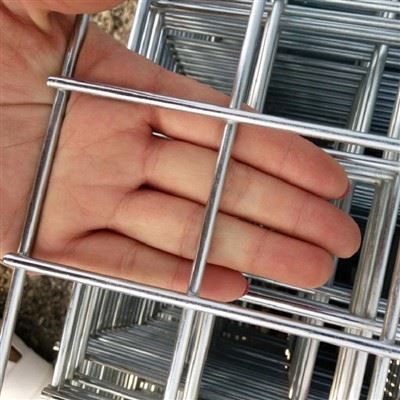
At the end of the day, painting a wire mesh fence is a manageable project, but it’s not something you want to rush. Taking the time to prep the surface, use the right materials, and apply the paint correctly will save you hundreds of dollars in rework and keep your fence looking its best for years. I’ve helped countless customers turn drab, weathered fences into durable, attractive barriers, and I’d be happy to help you do the same.
Wire Mesh Decking Panels References:
- American Galvanizers Association. (2022). "Painting Galvanized Steel: Best Practices for Adhesion and Durability."
- Paint Quality Institute. (2021). "Exterior Paint Selection for Metal Fencing: Tips for Long-Lasting Results."
- International Wire Mesh Association. (2023). "Maintenance and Care of Wire Mesh Fences: A Supplier’s Guide."
- University of California Agriculture and Natural Resources. (2020). "Pressure Washing Best Practices for Residential Structures."
Anping County Nuocheng Wire Mesh Co., Ltd.
As one of the most professional wire mesh fence manufacturers and suppliers in China, we also support customized service and OEM service. Please feel free to buy high quality wire mesh fence for sale here from our factory. For price consultation, contact us.
Address: 100 meters southeast of Beimanzi Village, Dahezhuang Township, Anping County, Hengshui City, Hebei Province, China
E-mail: lixuhao0888@gmail.com
WebSite: https://www.ncwiremesh.com/
