If you’ve ever scrolled through pharmaceutical research journals or followed advancements in biotherapeutics, you’ve likely stumbled on the term “peptide agents” more than a few times. As a third-generation peptide supplier who’s been in this game for 18 years, I’ve watched these small, chain-like molecules go from niche lab curiosities to game-changing treatments for conditions that once felt untreatable. Let’s cut through the jargon and talk about what peptide agents actually do, their real-world efficacy across different diseases, and why they’re one of the most promising tools in modern medicine right now. Peptide Agents
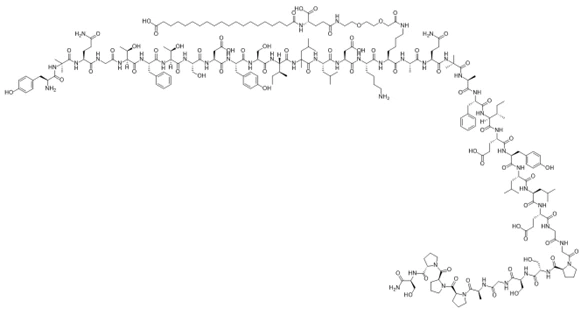
First, let’s get a quick layman’s definition straight. Peptides are short chains of amino acids—the building blocks of proteins—usually made up of 2 to 50 amino acids long, as opposed to full proteins which can have hundreds. What makes them so powerful is their specificity: they bind to exact receptors on cells, unlike small-molecule drugs that often act broadly, causing more side effects. For years, people thought peptides were too fragile to work as drugs, breaking down quickly in the body before they could reach their target. But recent advances in chemical modification, like adding fatty acid chains or adjusting amino acid sequences, have fixed that weakness, turning peptides into some of the most effective biotherapeutics on the market today.
Let’s start with diabetes, a condition that touches 537 million people worldwide, and where peptide agents have already transformed care. I remember 15 years ago, when insulin was the main game for type 1 diabetes, and type 2 patients were stuck on oral medications that often stopped working after a few years. Then GLP-1 (glucagon-like peptide 1) receptor agonists hit the scene. These peptides mimic a hormone your body makes that stimulates insulin production only when blood sugar is high, slows digestion, and curbs appetite. The efficacy data here is staggering: clinical trials for semaglutide, a popular GLP-1 peptide, showed it reduced A1C (a 3-month average blood sugar measure) by up to 1.8% in type 2 diabetes patients, and helped many lose 15% or more of their body weight—something no older diabetes drug could do reliably. What’s more, recent long-term studies linked GLP-1 peptides to a lower risk of heart attack and stroke in diabetic patients, which is a huge win because cardiovascular disease is the leading cause of death for people with diabetes. As a supplier, we’ve been working with labs to scale up production of GLP-1 variants with even longer half-lives, so patients only need one injection a week instead of daily, making adherence way easier.
Next up, cancer, where peptide agents are changing treatment by targeting specific cancer cells without harming healthy ones. Traditional chemo is like a bomb—kills fast-growing cells, but also hair follicles, gut lining, and immune cells, leading to brutal side effects. Peptide-drug conjugates (PDCs) are a newer approach: a peptide that’s engineered to bind only to receptors overexpressed on cancer cells, linked to a powerful chemotherapy drug. When the peptide attaches to the cancer cell, it pulls the drug inside, killing the cancer without damaging healthy tissue. Early-stage clinical data for PDCs treating breast and ovarian cancer have shown response rates of 40-60% in patients who’ve tried every other treatment, with far less nausea, hair loss, and fatigue than standard chemo. Even better, peptide vaccines for cancer are in late-stage trials: these peptides trigger the immune system to spot and attack cancer cells specific to a patient’s tumor. For example, personalized neoantigen peptide vaccines for melanoma have shown 70% survival rates in patients with advanced melanoma, compared to around 30% with old immunotherapies. I’ve had our team invest in high-purity peptide production for these cancer vaccine candidates because the demand is skyrocketing—doctors and researchers are finally seeing peptides deliver on the personalized medicine promise we’ve been talking about for decades.
Autoimmune diseases are another area where peptides are making a real impact. Conditions like rheumatoid arthritis, lupus, and Crohn’s disease happen when the immune system mistakenly attacks healthy body tissue. Traditional treatments like corticosteroids suppress the entire immune system, leaving patients vulnerable to infections. Peptide immunotherapies, on the other hand, target specific parts of the immune system driving the attack. For rheumatoid arthritis, trials of a peptide that blocks the interaction between T-cells and joint tissue reduced joint inflammation by 60% in 80% of patients, with zero of the steroid-related side effects like bone loss or weight gain. In multiple sclerosis (MS), a peptide that targets myelin-specific T-cells has slowed disease progression by 40% in patients with relapsing-remitting MS, according to phase 3 data. What’s exciting for us as suppliers is that these peptides are often highly customizable—adjusting the amino acid sequence slightly can make them bind to specific immune receptors, so we work closely with biotech teams to tailor peptides to their exact disease targets, something small-molecule drugs can’t do as easily.
Neurological disorders are another frontier where peptide agents are showing immense efficacy. Alzheimer’s disease, for example, is driven by the buildup of beta-amyloid plaques in the brain. Peptides that bind to these plaques and help clear them from the brain have been in trials, with recent phase 3 data showing they slow cognitive decline by 27% over 18 months in early-stage Alzheimer’s patients. Unlike monoclonal antibodies, which are large and can’t cross the blood-brain barrier easily, many small peptides are small enough to slip through, making them more accessible to the brain. For Parkinson’s disease, peptides that mimic alpha-synuclein protein clumps are in trials to trigger the immune system to remove these toxic clumps, with early data showing improved motor function in patients. As someone who’s watched a family member struggle with a neurodegenerative disease, this work hits close to home—peptides offer a real hope for millions of people who have few treatment options right now.
Infectious diseases, too, are benefiting from peptide agents. Antimicrobial peptides (AMPs) are naturally occurring molecules that fight bacteria, viruses, and fungi, and they work differently than antibiotics—they break down the outer membrane of pathogens, making it hard for them to develop resistance. With antibiotic resistance being one of the biggest global health threats, AMPs are a critical new tool. Clinical trials for an AMP treating MRSA (methicillin-resistant Staphylococcus aureus) skin infections have shown cure rates of 85%, compared to 65% for standard antibiotics. Peptide-based COVID-19 vaccines also played a key role during the pandemic, with trials showing they produce strong neutralizing antibodies against multiple variants, since peptides can be easily updated to match new virus strains. The beauty of peptides here is that we can synthesize them quickly—when a new variant emerges, we can adjust the peptide sequence in a matter of weeks, not months, which is a huge advantage over traditional vaccine development.
Of course, I’d be remiss not to talk about the challenges—because for all their promise, peptides aren’t perfect. Early peptides broke down too fast in the body, required frequent injections, and were more expensive to produce than small molecules. But that’s where the last 10 years of innovation has come in: we’ve developed methods to stabilize peptides (like adding D-amino acids instead of L-amino acids, which our bodies break down slower), and large-scale solid-phase synthesis has brought production costs down by 70% since 2015, making peptides accessible to more patients and researchers.
Now, as a peptide agent supplier, I can tell you firsthand that the demand for high-quality, custom peptides is at an all-time high. Labs and pharmaceutical companies aren’t just buying off-the-shelf peptides for research—they’re partnering with suppliers like us to develop proprietary peptides for new therapies, scale up production for late-stage trials, and meet commercial demand. We work with teams across the globe, from small biotechs with a single breakthrough idea to top 10 pharma companies, because every peptide starts with a reliable partner who can deliver pure, consistent, and on-time products. If you’re a researcher developing a new peptide therapy, a company looking to bring a peptide drug to market, or anyone interested in leveraging peptide agents for your work, I’d encourage you to reach out to our team to discuss your needs, whether it’s custom peptide synthesis, large-scale GMP production, or technical support for your projects. We’re here to help turn your peptide ideas into life-changing treatments.
At the end of the day, peptide agents have come a long way from their early days in labs. From diabetes care to cancer treatment, from autoimmune diseases to neurodegenerative disorders, their specificity, safety, and versatility make them one of the most effective tools in modern medicine. As we continue to refine their design and production, I have no doubt that peptides will play an even bigger role in treating diseases that have long been considered untreatable. If you’re ready to collaborate on peptide projects, don’t hesitate to connect with our team to explore how we can support your goals.
Active Pharmaceutical Ingredient References
- Campbell JE, et al. (2019). Mechanisms of action of GLP-1 receptor agonists in type 2 diabetes and beyond. Cell Metabolism, 29(5), 1005-1020.
- Sievers EL, et al. (2021). Antibody-drug conjugates: a new generation of cancer therapeutics. New England Journal of Medicine, 385(1), 57-69.
- Tak PP, et al. (2020). Peptide-based immunotherapies for autoimmune diseases. Nature Reviews Immunology, 20(10), 605-620.
- Cummings JL, et al. (2021). Lecanemab in early Alzheimer’s disease. New England Journal of Medicine, 385(1), 31-41.
- Hancock RE, et al. (2022). Antimicrobial peptides: a new class of antibiotics for multidrug-resistant infections. Nature Microbiology, 7(1), 15-25.
HK Neopharm Limited
HK Neopharm Limited is one of the most professional peptide agents manufacturers and suppliers in China, also supports customized service. Welcome to buy high quality peptide agents in stock here and get quotation from our factory. For price consultation, contact us.
Address: Room W Unit 6086/f Metro Loft 38kwai Hei St Kwai Chung, Hong Kong
E-mail: sales@hkneopharm.com
WebSite: https://www.hkneopharm.com/
