Hey there, if you’ve ever found yourself sifting through different valve types for your pipeline, process plant, or even a simple water system, you’ve probably stumbled on floating ball valves. As someone who’s been supplying these bad boys for years, I get that it’s easy to just grab whatever’s cheapest or what the regular guy on the job recommends. But trust me, floating ball valves have some actual game-changing perks that a lot of folks overlook when they’re weighing options. Let’s break this down like I’m chatting with you over a coffee—no stuffy engineering jargon, just real-world pros that matter to you. Floating Ball Valve
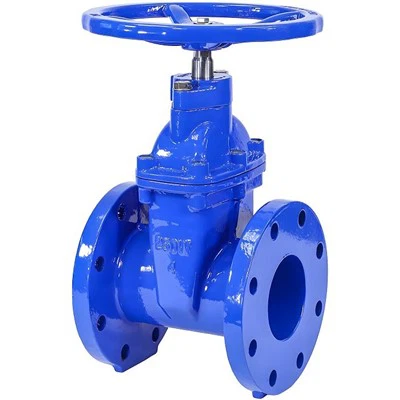
First off, let’s keep this super basic: what even is a floating ball valve? For anyone new, it’s that valve with a hollow, perforated (wait, no—solid, with a through-hole) metal ball inside, attached to a stem that connects to your handle or actuator. When you turn the handle 90 degrees, the ball spins so that the hole lines up with the pipe (open) or blocks it tight (closed). The “floating” part just means the ball isn’t fixed to either side of the valve body—its just pressed up against the seat when you close it. Yeah, that’s it. Now why does that small floating detail matter?
Let’s start with the big one: leak-tight sealing. I’ve seen so many guys panic about leaks, especially in high-pressure systems or things that handle stuff that’s toxic, flammable, or just a total pain to clean up. Floating ball valves seal way better than, say, gate valves or even some globe valves for this exact floating design. When you twist that handle to close it, the pressure from the fluid on the inlet side pushes the hollow ball back against the outlet seat. That creates a super tight, even seal—no gaps, no drips, not even when pressure spikes. We’re talking about class VI shutoff, which is the highest standard for zero leakage. If you’re moving natural gas, chemicals, or even potable water, that’s non-negotiable. I’ve had a client whose old gate valve was dripping so bad they were losing 500 gallons a month in their manufacturing plant—switched to a floating ball valve, and that problem was gone overnight. No more downtime from leak checks, no more wasting product. That’s huge for your bottom line.
Next up, operation simplicity. Let’s be real—you don’t want to mess with some clunky valve that takes 10 twists to open or close, especially if you’re dealing with emergency shutoffs. A floating ball valve is a quarter-turn valve. That’s it. Turn the handle, actuator, or even a lever 90 degrees, and you’re good to go. Compare that to a gate valve, which takes like 5-10 full turns just to open or close fully. If there’s an emergency—like a pipe burst or a chemical spill—you don’t have time to fumble with 10 turns. That quick quarter-turn can stop a problem before it blows up. Also, the stem on a floating ball valve is usually pressure-sealed too, so you don’t have to keep tightening the packing every few months like you do on older globe valves. Less maintenance, less time spent tweaking stuff—more time on actual work.
Cost-wise, floating ball valves are total workhorses. I know, I know—some guys will say “but this other valve is cheaper upfront!” But let’s do the math. First, floating ball valves are way more affordable than other valve types with similar sealing performance. Trunnion ball valves, for example (those are the ones where the ball is fixed to both sides, right?), are way pricier for high-pressure applications. If you don’t need trunnion-level specs, a floating valve gets you the same leak-tight seal for way less cash. Then there’s longevity. The seat on a floating ball valve is usually made of durable stuff like PTFE (Teflon for anyone who doesn’t deal with that every day) or reinforced nylon, which stands up to wear and tear from opening/closing. I’ve got systems that have had our floating ball valves running for 15+ years with only occasional seat replacement, not full valve swaps. And since they don’t leak, you’re not losing product, not paying for cleanup, not dealing with OSHA fines if you’re in a regulated industry. That adds up so fast—way more than the little extra you might spend on a lower-quality valve.
Wait, what about size and versatility? Floating ball valves come in tiny, little ones for things like lab equipment or small plumbing lines, all the way up to big ones that handle 12+ inch pipes for industrial plants. They work with almost any fluid you can think of: water, oil, gas, chemicals—even some slurries, as long as you pick the right seat material. PTFE seats work for corrosive chemicals, EPDM for water and food-grade stuff, metal seats for super high temps or abrasive fluids. And they play nice with actuators too—you can add an electric or pneumatic actuator to automate them, which is perfect for systems that need remote control or scheduled operations. I’ve helped clients switch manual lines to actuated floating ball valves, cutting their labor costs by 30% because they don’t need someone standing around turning handles all shift.
But hold up, let’s be honest—are there any caveats? No product is perfect, and I’m not gonna lie to you. Floating ball valves do work best for lower to medium pressure and smaller pipe sizes, usually up to like 2000 PSI (though that varies by brand and build) and up to around 12 inches. For super high-pressure systems or huge pipelines, trunnion ball valves are better because the extra supports on the ball handle more stress. But for 90% of the stuff people use valves for—commercial buildings, small to mid-sized industrial plants, water treatment, oil and gas lines that aren’t ultra-high pressure—floating ball valves are more than enough. Also, if a line has pressure on both sides of the valve when it’s closed, the floating ball might not seal as well, but that’s a niche scenario you can avoid with basic design planning.
Now, why do I know all this? Because I’ve been supplying floating ball valves for over a decade, and I’ve worked with everyone from small plumbing contractors to big manufacturing plants. I’ve heard their headaches, their success stories, the stuff that wastes their time and money. A lot of suppliers will push the fanciest, most expensive valve, but at the end of the day, most people don’t need that. They need something that works, doesn’t leak, is easy to use, and doesn’t break the bank. That’s exactly what a floating ball valve delivers.
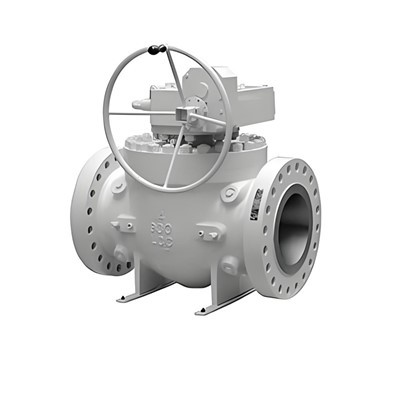
If you’re dealing with a leaky valve, wasting product, or spending too much time maintaining your current setup, maybe it’s time to give floating ball valves a shot. I can hook you up with the right size, material, and spec for your exact application—no generic advice, just straight talk about what will actually work for your system. Hit me up to chat through your needs, get a quote, or ask any random question you have about valves. I’m here to help, not just make a sale.
Ball Valve References:
- “Ball Valves: A Guide to Selection, Operation, and Maintenance.” Valve Magazine, 2021.
- Floating vs. Trunnion Mounted Ball Valves: Key Differences and Use Cases.” Piping Technology & Products, Inc., 2022.
- “API 607: Fire Test for Soft-Seated Valves.” American Petroleum Institute, 2020.
- “Plumbing and Industrial Valves: A Practical Guide.” Professional Builder Media, 2019.
Wuxi PYNOS Flow-tech Co., Ltd.
As one of the leading floating ball valve manufacturers and suppliers in China, we offer a wide range of products with superior quality. We warmly welcome you to buy high quality floating ball valve made in China here from our factory. We also accept customized orders.
Address: Sales Center: 7th Floor, No.19 Qingyuan RD, Wuxi City, Jiangsu Prov., China
E-mail: Info@pynosvalve.com
WebSite: https://www.pynosvalves.com/
