If you’ve ever stood by a charcoal machine—whether loading raw biomass, adjusting a retort valve, or hauling finished briquettes—you know they’re the kind of workhorse that turns agricultural waste into a usable, marketable product. But for every ton of high-quality charcoal that rolls out of a machine, there are small, easy-to-miss safety gaps that can lead to bigger issues: burned hands, damaged equipment, or even small fires that derail an entire shift. As a charcoal machine supplier, I’ve spent years walking alongside small-scale biomass processors and large manufacturing facilities through their daily operations, and safety isn’t just a set of rules we hand out with equipment manuals—it’s the backbone of keeping production steady and teams whole. Today, I’m breaking down the safety measures I’ve seen work firsthand, the ones I remind every customer about before their first machine turns on, and the mistakes that even experienced operators sometimes overlook. Charcoal Machine

First, let’s talk about the space around the charcoal machine. Too often, operators pile empty bales of sawdust, scrap metal parts, or half-used fuel jugs right beside the processing unit because it’s “easy access” or “quicker loading.” But here’s the truth: charcoal machines generate constant heat—from the combustion system that powers the retort, from the hot briquette extruder, and even from the finished charcoal cooling racks. Any flammable material within 10 feet of the machine is a waiting fire hazard. I worked with a small-scale farm in Iowa last year that kept a stack of pine bales next to their machine; a stray spark from a poorly adjusted burner ignited a bale, and by the time the fire was put out, they’d lost half a ton of raw biomass and two weeks of scheduled production time. The fix isn’t hard: create a 15-foot clear zone on all sides of the machine, and only store tools and non-flammable supplies there. For smaller machines used in backyard or micro-business settings, that zone can be scaled back to 8 feet, but never eliminate it. Also, keep the area well-ventilated—most charcoal machines run on a process called pyrolysis, which releases small amounts of volatile gases (methane, hydrogen, and light hydrocarbons) as the biomass heats up. If these gases get trapped in a closed space, a single spark from a static charge or an ungrounded light switch can cause an explosion. I always recommend installing at least two exhaust fans near the retort’s gas outlet, and testing air quality monthly with a basic gas detector—they’re cheap, around $50, and can catch a gas buildup before anyone even smells it.
Next, personal protective equipment (PPE) isn’t just a box to check on the first day of training. It’s non-negotiable, and I’ve seen people skip it and pay for it. Let’s start with the hands: charcoal production means handling 400-degree retort chambers, sharp metal blades in the shredder, and fine charcoal dust that’s abrasive enough to rub raw skin. I recommend heat-resistant, cut-proof gloves—think leather or Kevlar-lined, not the thin cotton work gloves most people keep in their toolboxes. Cotton gloves melt at high temperatures, and once they do, they stick to skin and cause worse burns than if the operator had gone gloveless. Then there’s the eyes: charcoal dust is extremely fine, and when you’re loading shredded biomass into the hopper, it can blow into eyes so fast you don’t have time to blink. Even worse, if a hot piece of charcoal chips off during processing, it can ricochet and cause permanent damage. Safety goggles that wrap around the sides of the face are a must—no regular eyeglasses, because they don’t block dust or flying debris. For operators working near the burner or the exhaust system, face shields add an extra layer of protection against sudden bursts of hot gas or sparks. And let’s not forget the lungs: charcoal dust isn’t just an irritant—long-term exposure can lead to respiratory issues, especially when operators are spending 8+ hours a day near the hopper. A dust respirator with N95 or higher filtration is required for anyone loading raw material or cleaning finished charcoal, and for facilities with large machines, I encourage installing enclosed exhaust systems that carry dust outside the work area instead of letting it circulate. The one PPE item people almost never think about? Heat-resistant work boots. Many processing areas have wet floors from cleaning or spilled water, and hot charcoal can spill onto a boot in a second. Steel-toe boots that are slip-resistant and heat-treated to withstand 500-degree temperatures aren’t cheap, but they’re the difference between a trip to the hospital and a full day back at work.
Now, the part most new operators struggle with: operating the machine correctly, especially when it comes to loading fuel and monitoring temperature. I can’t tell you how many times I’ve had a customer call me at 9 p.m., panicking because their machine shut down mid-cycle and they don’t know why. Most of the time, it’s because someone overloaded the hopper—put in too much raw biomass at once—and the machine’s combustion system couldn’t keep up. When the hopper is overloaded, the air flow is restricted, and instead of heating the biomass evenly, some parts burn too hot (causing unsafe gas buildup) and others don’t heat enough (resulting in low-quality charcoal). The rule here is simple: follow the load capacity printed in the machine’s manual, and for custom loads, start slow. New operators often rush through loading to get the machine running, but I’ve found that loading 20% of the recommended capacity at first, then waiting 5 minutes, adding another 20%, works best for even heat distribution. When it comes to temperature monitoring, never rely on a basic thermometer that only checks the ambient air near the machine. Most quality charcoal machines come with a built-in retort temperature gauge, and I always tell customers to keep a secondary, portable temperature gun handy to double-check. The optimal pyrolysis temperature for most hardwood and agricultural waste is between 400 and 600 degrees Fahrenheit—go above 650 degrees, and you risk the retort overheating, which can warp metal parts or cause a gas explosion. Go below 350 degrees, and the biomass won’t fully carbonize, leaving you with half-burned material that’s flammable and useless for sale. Also, never leave the machine unattended while it’s running a full pyrolysis cycle. Even for automated machines, small issues like a clogged gas outlet or a dropped power line can go unnoticed for an hour, leading to dangerous conditions. I recommend assigning one operator to monitor the machine at all times during production shifts, and doing a 10-minute check every 30 minutes to confirm the temperature, gas flow, and hopper level.
Handling finished charcoal is another area where safety missteps happen. Freshly made charcoal is hot—sometimes up to 300 degrees right out of the extruder, and even longer if it’s stored in a closed container. Many operators will toss it into a pile on the ground to cool, but if that pile is near flammable material, it can smolder for hours and start a fire. The right way is to use metal cooling racks with slatted sides that let air circulate freely, and to never stack more than 6 inches of charcoal on a single rack. For small batches, I recommend using metal buckets with vented lids, so the charcoal cools without trapping heat. Once it’s fully cooled (wait at least 24 hours for small batches, 48 hours for large ones), test the temperature by touching the outside of the storage container—if it’s cool to the touch, it’s safe to move. Also, finished charcoal is prone to creating dust when it’s broken or packaged. I always tell customers to package it in well-ventilated bags, not airtight plastic bags, because trapped charcoal dust can build up static electricity and ignite. I saw a small charcoal production business in Ohio last year make this mistake: they packaged fresh, slightly warm charcoal in airtight plastic bags, and when the dust inside reached a certain concentration, a small static spark from being moved during delivery caused the bags to catch fire. They lost $10,000 worth of product and their delivery truck, all because of a simple packaging choice.
Maintenance is the last big piece of safety, and it’s one that’s often skipped during busy production months. A charcoal machine has moving parts—gears, belts, shredder blades, and burner components—that wear down over time, and a broken part can cause a major safety hazard. Every week, I tell customers to do a basic maintenance check: tighten loose belts, inspect the burner nozzle for clogs, check the retort valve seals for cracks, and clean the dust filter on the exhaust system. Every month, shut down the machine completely, unplug it, and do a deeper check: lubricate moving parts, test the temperature gauge for accuracy, and make sure all electrical wiring is not frayed or exposed. The most common maintenance-related accident I see is when operators try to fix a machine while it’s still running. Last year, a customer in Texas had a shredder blade jam, and instead of shutting down the machine and unplugging it, he reached in with a metal bar to pry the jam loose. The blade kicked on suddenly, cutting his arm so badly he couldn’t work for three months. The rule is: always shut off the machine, unplug it, and lock out the power source before doing any maintenance or cleaning. That lockout/tagout process isn’t just OSHA stuff—it’s keeping you safe. I also recommend replacing worn parts with genuine parts from the manufacturer, not generic ones from a hardware store. Generic blades or belts might be cheaper, but they’re not built to handle the constant vibration and heat of a charcoal machine, and breaking parts mid-operation is a safety risk.
I could go on about smaller, day-to-day habits—like not wearing jewelry that can get caught in moving parts, or keeping a fire extinguisher rated for Class B and C fires near the machine—but the core of charcoal machine safety is consistency. It’s not about following rules once or when an inspector comes; it’s about loading the hopper slowly every time, wearing gloves even when you’re in a hurry, and checking the temperature before you leave for the night. As a charcoal machine supplier, my job isn’t just to sell you equipment—it’s to make sure you have the knowledge and support to use that equipment safely, so you can focus on growing your business without worrying about preventable accidents.
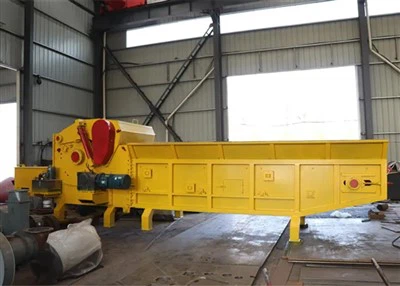
If you’re in the market for a charcoal machine and want to learn more about safety protocols tailored to your specific setup, or if you’re an existing operator looking to refresh your team’s safety training, feel free to reach out and connect for a procurement consultation. We’re here to help every step of the way, from initial setup to long-term maintenance, so your production stays safe and productive for years to come.
Mixing Machine References
- Occupational Safety and Health Administration (OSHA). "Safety and Health Guidelines for Biomass Processing Facilities." U.S. Department of Labor, 2022.
- International Code Council (ICC). "Chapter 12: Pyrolysis and Charcoal Production Facilities." International Fire Code, 2021.
- Food and Agriculture Organization (FAO). "Small-Scale Charcoal Production: Safety and Operational Guidelines." FAO Agricultural and Food Engineering Technical Report, 2020.
- Charcoal Industry Association (CIA). "Standard Safety Protocols for Commercial Charcoal Manufacturing Facilities." CIA Best Practices, 2021.
Zhengzhou Fanda Machinery Co., Ltd.
Zhengzhou Fanda Machinery Co., Ltd. is one of the most professional charcoal machine manufacturers and suppliers in China. Feel free to buy cheap charcoal machine for sale from our factory and check the price with us.
Address: Zhisi Road, Zhongyuan District, Zhengzhou, Henan, China.
E-mail: vincenthan@fandamachinery.com
WebSite: https://www.fandapelletmill.com/
