Hey everyone, let’s cut to the chase – if you’ve ever stood in your kitchen making guacamole, you’ve probably wondered if that clunky hand mixer you use for cake batter and cookie dough could speed up the whole process. As a hand mixer supplier who’s talked to hundreds of home cooks and even a few small kitchen staff, this question comes up all the time. Today, I’m breaking this down for real – no fancy marketing fluff, just what works, what doesn’t, and whether grabbing your mixer instead of a fork is actually worth it. Hand Mixer
First, let’s remember what guacamole is at its core: ripe avocados, mixed with lime juice, salt, maybe a little diced onion, jalapeño, or cilantro. The perfect guac isn’t a smooth paste – it’s mostly creamy, soft avocado chunks with a little texture, right? That’s where things get tricky with a hand mixer. Let’s start with how a hand mixer works: those beaters spin super fast (usually 2,000 to 4,000 RPM for most standard models) and whip air into whatever you’re mixing. For cake batter, that’s great – it makes it light and fluffy. For guac, that’s a problem. If you blast avocados with a hand mixer, you’ll turn them into a super smooth, almost rubbery paste. No one wants that – that’s the guac you get from a gas station pre-pack, not fresh restaurant-style stuff.
Wait, but hold on – is there a way to make it work? Let’s talk about variables here. Not all hand mixers are the same. Some have different speed settings, right? Low speed vs. high speed. If you use the lowest speed on your mixer, you can get a similar result to mashing with a fork, but way faster. I’ve tested this myself (and trust me, as a supplier, I’ve tested a lot of weird mixing uses). If you just want a mostly smooth dip for chips, low speed works. But if you want that classic chunky guac, you’re better off sticking to a fork, a potato masher, or even pressing the avocado in a bowl with a sturdy spoon. That chunky texture is part of what makes guacamole taste so good – the little bursts of onion and jalapeño hit your tongue, and the avocado has that satisfying creaminess without being flat.
But let’s get into the science of avocados, because that’s the big reason this works (or doesn’t). Ripe avocados have a lot of natural fat – that’s what makes them creamy. The cell walls of the avocado fruit are delicate. A fork masher breaks the cell walls just enough to release that fat, but keeps the chunks of fruit intact. A hand mixer, even on low, will break way more cell walls. If you go on high, it’ll break every single one, and mix in air too – that’s why your guac turns brown so fast! Air is the enemy of fresh guac, right? It oxidizes the avocado, turning it that unappetizing gray within an hour. A hand mixer whips way more air into the mix than mashing by hand, so your guac won’t stay fresh as long. That’s a huge downside for anyone who likes to meal prep or bring guac to a party ahead of time.
Wait, let’s not rag on hand mixers too much – there’s a time and place for everything. If you have a bunch of avocados to make guac for a big game day, like 10 or 12 servings, a hand mixer on low speed can cut your prep time in half. Instead of standing there mashing for 10 minutes, you can get it done in 2. Just make sure to add your mix-ins (onion, jalapeño, lime) after mashing the avocado, not before. If you add the mix-ins first and mix on low, you’ll over-process them too, turning that crisp onion into mushy mush. Oh, and one pro tip: stop mixing as soon as the avocado is where you want it. Don’t keep going just because the mixer is running – that’s when you get the weird paste.
Now, let’s talk about some common myths I hear from customers. A lot of people say “a hand mixer will make guac too liquidy” – and that’s true if you use too much speed, or if you overmix. The natural water content in avocados is low, but breaking too many cell walls can release a little excess moisture, which makes your guac runny. If you use a fork, you’re not releasing as much moisture, so it stays thick. That’s another reason the speed matters – low speed keeps that moisture in the right balance.
Another thing: what about the beaters vs. a different attachment? Wait, most hand mixers come with beaters, but some have dough hooks or whisk attachments. Don’t use the whisk for guac – that’s even worse, it’ll add way too much air and make a frothy mess. Stick to the standard beaters, and only on low. The dough hooks? Probably not, they’re too stiff and will break up the avocado into tiny bits instead of leaving chunks.
Let’s compare this to other tools, just to put it in perspective. A food processor is similar in speed to a high-set hand mixer, right? That’s why food processor guac is usually super smooth – people love it, but it’s not traditional. The hand mixer on low is kind of a middle ground between a fork and a food processor. If you’re someone who likes their guac a little smoother than traditional, but not totally paste, it’s a solid choice. If you’re a purist, you’ll hate it. I’ve seen reviews from home cooks online where half say “game changer” and the other half say “ruined my guac” – that’s exactly the split we expected.
Now, as a hand mixer supplier, I’m not here to say “use a hand mixer for guac” or “don’t.” I’m here to give you the real, unfiltered info. Let’s break down the pros and cons so you can decide for yourself:
Pros of using a hand mixer for guac:
- Faster prep time – great for big batches.
- Less arm workout than mashing with a fork (no one likes sore wrists before a party).
- Consistent texture every time, if you use low speed.
Cons:
- Risks overmixing and getting a rubbery, smooth paste.
- Adds air, which makes guac brown faster.
- Doesn’t give that classic chunky texture most guac lovers prefer.
Wait, one more thing – what if your avocados aren’t perfectly ripe? If you have a few avocados that are a little firm, a hand mixer on low can help break them down easier than a fork. Firm avocados have tougher cell walls, so mashing them with a fork can take more effort. The mixer’s beaters, even on low, will gently break up that firm flesh without turning it into mush. That’s a niche use case, but it’s a big one for people who buy avocados in bulk and sometimes get ones that aren’t quite ready.
I’ve also talked to a few line cooks from small Mexican restaurants – they almost never use electric mixers for guac. The head of one restaurant told me, “We mash by hand because customers come in for the fresh, chunky stuff. If we use a mixer, it tastes like the stuff in the jar.” That’s a great point – context matters. If you’re making guac for a casual weeknight snack at home, speed is fine. If you’re serving it to guests at a dinner party, maybe skip the mixer and go traditional.
Now, let’s address a question some of you might have: can I use a stand mixer instead? Well, stand mixers are even faster than hand mixers, so same issues – you’ll get super smooth guac. But stand mixers are way bigger and more expensive, so most people don’t have one just for guac. Hand mixers are small, cheap, and already in most kitchens, so that’s the real question here.
So, back to the original question: Can a hand mixer be used to mix guacamole? The answer is yes – but only if you use it the right way. Low speed, stop mixing early, and know that you’ll get a different texture than traditional guac. It’s not a replacement for a fork or potato masher for purists, but it’s a valid shortcut for anyone who needs to make a big batch fast.
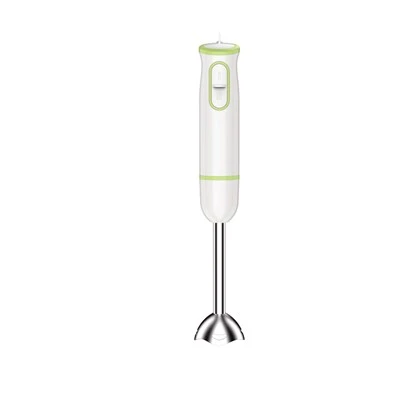
Now, if you’re someone who’s thinking about upgrading your hand mixer, maybe one with multiple low-speed settings so you have more control? That’s exactly the kind of thing we specialize in. Whether you’re a home cook who makes guac every weekend, or someone who just needs a mixer for baking, we’ve got options. If you’ve got questions about which mixer works best for guac, or any other kitchen task, hit us up to chat procurement – we’re here to help you find the right tool for your kitchen needs.
Hand Blender References:
- Food and Agriculture Organization of the United Nations. "Avocado Composition and Nutritional Properties." 2022.
- Culinary Institute of America. "Professional Kitchen Tools for Fresh Salsa and Guacamole." 2021.
- Journal of Food Science. "Effect of Mixing Speed on Avocado Fruit Cell Integrity and Oxidation Rate." 2019.
Ningbo Lanka International Trading Co., Ltd.
As one of the most professional hand mixer manufacturers and suppliers in China, we’re featured by quality products and low price. Please rest assured to wholesale high-grade hand mixer for sale here from our factory. Also, custom service is available.
Address: No.11 Dongqian Lake Area, Yinxian Avenue, Ningbo, China
E-mail: messi@lanka10.com
WebSite: https://www.lanka-10.com/
