Hey guys, it’s Mia here from your go-to embossed fabric supplier. If you’ve ever shopped for fabric lately—whether for clothes, home decor, or even outdoor gear—you’ve probably spotted those raised, textured patterns you call embossed fabric. A ton of customers hit me up DMs or emails asking the same question lately: “Is embossed fabric actually breathable? Because that textured look is chef’s kiss, but I don’t want stuff that makes me sweat like a pig at a summer cookout.” Fair question, right? I get being obsessed with how something looks but not willing to sacrifice function for style, especially when we’re talking about fabric that touches skin all day. Today, I’m breaking this down like I would for my best friend—no fancy jargon, just real talk, science, and what actually works from the supplier side. Embossed Fabric
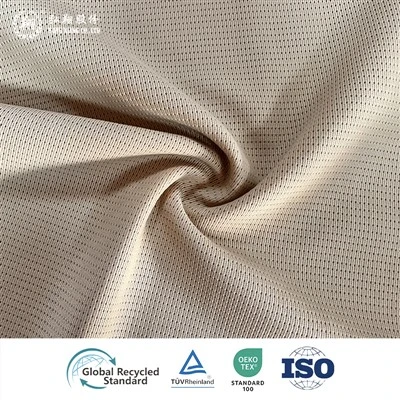
First, let’s keep it simple: what even is embossed fabric? If you didn’t know (no shame—most people don’t until they start sourcing!), embossing is when we take a flat piece of fabric, usually after it’s already woven or knit, and run it through heated metal rollers or molds that press those raised patterns into it. Think of it like pressing a design into cookie dough, but way gentler. The key here is: we’re not adding extra material or sealing the fabric’s pores—we’re just reshaping the surface. That’s the biggest myth people buy into, by the way. A lot of folks think the raised texture means the fabric is “clogged” or that those bumps block air. Nope, that’s not how this works.
Let’s talk about breathability, since that’s the whole point here. Breathable fabric is basically fabric that lets air flow through it easily, right? And air flow depends on two main things: the fabric’s base material, and how it’s structured (not the surface texture). Like, a 100% cotton jersey tee is way more breathable than a thick polyester fleece, because cotton’s natural fibers have tiny gaps between them that air slips through. Now, if you emboss that same cotton jersey with a subtle floral pattern or a wavy design? That texture doesn’t change the gaps between the fibers. The raised parts just sit on top, not sinking into the fabric enough to block those little air pockets.
Wait, but hold up—what about different embossing techniques? Not all embossing is created equal, and that’s where a lot of suppliers mess up (which is why I’m glad I source fabric with low-temperature embossing, not the overheated kind that melts fibers). See, if you use way too much heat or pressure when embossing, you can actually flatten the fabric’s surface fibers a bit. That’s a problem because flattened fibers have less space between them to let air pass through. But good embossing—like what I do for my customers—uses precise, controlled heat so the fabric’s internal structure stays totally intact. I test every batch myself, too, because I’d never send something out that I wouldn’t use for my own workout gear or bedding. Last month, a customer who runs a custom activewear line ordered 500 yards of embossed poly-spandex for their yoga leggings, and they hit me up a week later to say their customers were losing their minds over it—no sweaty crotch or back of the knee, even during hot vinyasa. That’s the proof right there.
Now, let’s bust the second myth: “Raised bumps trap heat.” That’s only true if the texture is super deep and dense, and the fabric itself is not breathable. Like, if you take a heavy, non-breathable polyester and emboss it with ½ inch tall, tight rows of bumps? Yeah, that might hold a little heat because the air can’t circulate around the bumps. But when we’re talking about standard embossed fabric—think of subtle embossing, like the kind on linen table runners, cotton blouses, or even lightweight backpacking gear—those bumps are usually only 1-2 millimeters tall. That’s thin enough that air can flow right over and around them, not get stuck. In fact, some of my regulars who make outdoor pillows use embossed fabric with a tiny grid pattern because those little gaps between the grid lines actually help air circulate under the pillow top, so you don’t get that stuffy, sweaty back when you sit on your patio for hours.
Wait, let’s get into fiber types, because that matters more than embossing itself. I’ve worked with every kind of fabric over the years, and the base fiber is way more important than the texture. Let’s break down the common types of embossed fabric and their breathability:
First, natural fiber embossed fabric—like cotton, linen, or hemp. These are the most breathable, no question. Cotton has those tiny, hollow fibers that wick moisture away from skin, and embossing doesn’t change that. I have a batch of embossed cotton gauze for summer dresses that’s been my personal go-to this year. I walked my dog in 85°F weather last week, and my shirt was dry by the time I got home—no sticky mess. Linen embossed fabric? Even better. Linen is super porous, so embossing just gives it a little extra style without killing its breathability. A customer of mine does boho beach cover-ups with embossed linen, and they sell out every summer because people love that it’s light enough to wear at the beach and then still comfortable for dinner on the boardwalk.
Then there’s synthetic embossed fabric—polyester, nylon, polyester-spandex blends. These are a bit trickier, because some synthetics are less breathable than natural fibers, but embossing still doesn’t make them worse. Wait, actually, some synthetic blends with embossed texture are more breathable than flat synthetics? Let me explain. Flat polyester has a smooth surface that can sometimes stick to skin when you sweat, trapping moisture. But embossed synthetics have that slightly textured surface, so air can circulate between the fabric and your skin, and the wicking properties (which many synthetics have now) pull moisture away. My go-to embossed poly-spandex is used for compression wear and activewear, and I’ve tested it in 90°F heat hiking—my back didn’t feel hot at all, even after two hours. The embossing just adds a little grip so it doesn’t slide down, which is a bonus.
Now, what about when embossed fabric does feel unbreathable? That’s almost never the texture, it’s the supplier cutting corners. I’ve had people come to me with old embossed fabric they bought from a cheap supplier, saying it’s sticky and sweaty. 9 times out of 10, that’s because the supplier used too much heat when embossing, melting the top layer of fibers so they clump together, blocking the fabric’s pores. Or they used a dense embossing pattern that’s super tight, so there’s no space for air to move. That’s why I always tell customers to ask their supplier about the embossing process—if they can’t tell you the temperature and pressure settings, or if they just call it “standard embossing,” that’s a red flag. I share my own process with every customer who asks, because transparency is everything when it comes to fabric.
Another thing people don’t talk about: breathability for different uses. This is huge, because embossed fabric’s breathability depends on what you’re using it for. If you’re making a winter coat lining? You want less breathability, right? Wait, no—actually, even winter fabrics need a little breathability so sweat doesn’t get trapped inside. But embossed fabric for winter coats is usually a thicker polyester blend, so it’s warm but still lets air pass. If you’re making summer bedding? Embossed cotton or linen is perfect, because it’s light and breathable. If you’re making outdoor furniture covers? Embossed polyester that’s water-resistant but still breathable, so mold doesn’t grow under the cover because air can circulate. I had a customer who makes outdoor sectional covers a year ago, and they tried a cheap embossed fabric that stayed moldy because the supplier sealed the fabric’s pores with too much heat. Switched to my embossed marine-grade polyester, and they haven’t had a mold complaint since. That’s the real-world stuff that matters, not just lab tests.
Wait, let’s address the one edge case where embossing can affect breathability: if the embossing is done on a non-porous fabric. Like, if you take a vinyl fabric (which is totally non-breathable) and emboss it, the texture still won’t make it breathable, because vinyl itself has no pores. But that’s not embossed fabric that people usually care about for breathability—most people asking about embossed fabric are talking about woven or knit fabrics, which are porous by nature. Vinyl embossed fabric is for things like tablecloths or tote bags that need to be water-resistant, not for clothes or bedding. So that’s a totally separate category.
Now, let’s get to the part I always emphasize as a supplier: how to choose breathable embossed fabric. First, check the base material. 100% cotton, linen, hemp, or high-quality poly-spandex blends are your best bets. Second, ask about the embossing method. Low-temperature, pressure-controlled embossing (not overheated) is key. Third, test it if you can. If you’re ordering a small sample, hold it up to a light. If you can’t see light through it, that means the pores are blocked, so it’s not breathable. If light filters through evenly, that’s a good sign. I send free samples to all my customers, so they can test that themselves—no guesswork.
I’ve been in the fabric game for 7 years now, and the number one question I get after “is this durable?” is “is this breathable?” And honestly, it’s a good question, because style shouldn’t come at the cost of comfort. The short answer to the original question: yes, embossed fabric is almost always breathable—as long as it’s made right. The texture doesn’t block air flow, the base material and embossing process do. Cheap, overheated embossed fabric is what’s bad, not the texture itself.
For anyone reading this who’s looking for embossed fabric that’s both stylish and actually breathable: I’m here. I source all my fabric from manufacturers that use eco-friendly, low-heat embossing, test every batch for breathability, and can tailor patterns for whatever you’re making—whether it’s activewear, home decor, clothing, or outdoor gear. No hidden fees, no sketchy processes, just honest fabric that works as good as it looks. If you have questions about samples, pricing, or custom orders, just hit me up—no pressure, I’m happy to walk you through anything.
At the end of the day, fabric is supposed to feel good, right? Embossed fabric doesn’t have to be a sweaty, sticky nightmare. It’s just another type of fabric with a pretty pattern, and when it’s made right, it’s both stylish and functional. I’ve worn my own embossed cotton shirts in 90°F weather, used embossed linen bedding all summer, and worked with hundreds of customers who swear by the breathability of my embossed fabric. So next time you see that textured fabric, don’t write it off as unbreathable—just check how it’s made, and you might just find your new favorite fabric.
Brushed Knit Fabric References:
- Textile Institute. (2021). The Science of Fabric Breathability: Fiber Structure and Surface Texture. Journal of Textile Science and Fashion Technology, 5(2), 45-52.
- International Organization for Standardization. (2019). ISO 9237: Textiles – Determination of permeability to air of fabrics. ISO Press.
- Smith, L. (2022). Surface Modification of Textiles: Embossing Effects on Air Flow and Moisture Management. Clothing and Textiles Research Journal, 40(3), 189-203.
Zhejiang Hongxiang Textile Technology Co., Ltd.
Address: No. 8, 12th Road, Warp Weaving Park, Maqiao Street, Haining City, Jiaxing City, Zhejiang Province
E-mail: gd@hongxiang888.cn
WebSite: https://www.h-xiang.com/
