If you’ve ever found yourself out on a ride when the sky suddenly opens up, you’ve probably wondered the same thing: do rain ponchos actually work for horse riding? Let me start by being real— I’m not some fancy researcher holed up in a lab. I’ve spent the last few years making and selling rain ponchos specifically for riders, and I’ve heard every take from my customers: “My old poncho leaked so bad I was soaked to the skin in 10 minutes,” “I tried a cheap one that ripped mid-trot,” “Does any poncho stay on when a horse spooks at a puddle?” Today, I’m breaking this down like I do with my team every Friday—no jargon, just actual science and rider experience. Rain Poncho

First, let’s get the basics: what makes a rain poncho work for riding, not just walking to the grocery store. A lot of people grab a $5 poncho from a gas station and think it’ll do, but riding isn’t like standing still. You’re sitting in a saddle, leaning forward for posting, swinging your arms to hold reins, and your horse moves—so the poncho has to do two big things: keep water out, and not get in your way.
Water resistance is where the science starts, and it’s not just “plastic is waterproof.” Most cheap ponchos use thin polyethylene (PE) film, which is only water-resistant, not waterproof. If you’ve ever worn one, you know it gets damp after 15 minutes of steady rain—because PE lets vapor (sweat from your body) pass through but traps liquid, so moisture builds up inside. For riders, that’s a problem: you’re moving, so you sweat a lot, and if the poncho doesn’t let that sweat escape, you get clammy, which makes you colder if the rain stops suddenly. The good ones, like the ones I work with, use a laminated fabric—usually a polyester base with a polyurethane (PU) membrane. That membrane’s key: it has tiny pores that are way too small for raindrops (which are ~0.5mm big) but way too big for sweat vapor (which is ~0.0001mm). So it keeps rain out and lets your body breathe. That’s not a marketing gimmick— it’s called “breathable waterproofing,” and it’s tested by the International Organization for Standardization (ISO) to have a hydrostatic head, which is just a fancy way to say how much water it can take before leaking. For riding, we aim for a hydrostatic head of at least 10,000mm—any less, and a hard rain will seep through. I’ve had customers test our ponchos in a 2-hour downpour and come out dry, and I’ve tested them myself last spring when I got caught in a thunderstorm on a 10-mile trail ride—stayed dry, and didn’t get sweaty enough to shiver when the rain slowed.
Next, fit. This is where so many riding ponchos fail. A poncho that’s too big will drag on the ground, which can get caught in your horse’s hooves or the stirrup leathers. A poncho that’s too small will ride up when you lean forward to post, leaving your back exposed, or constrict your arms so you can’t hold reins properly. I used to make the mistake of cutting ponchos to be one-size-fits-all, until a customer emailed me a photo of her mare stepping on the hem mid-trot and pulling her off balance—scary stuff. Now, our ponchos have extra length in the torso (we add 6 inches to the regular walking poncho length) and a hood that’s adjustable with a drawstring so it doesn’t block your view of the horse’s ears or the trail. We also add slits along the sides, from the waist down, so when you mount, the poncho doesn’t pull tight—instead, it lays flat over the saddle. That’s a game-changer. I’ve seen riders with regular ponchos have to yank at the fabric every time they mount, which wastes time and can make the horse nervous. Our slits mean you can slip into the saddle without adjusting anything.
Then there’s durability. Horses are messy—they rub against fences, step on things, maybe even spin in circles if they spook. A thin poncho will rip if your horse brushes a tree branch, but a good one is reinforced at the high-wear spots: the shoulders (where your arms move), the hem, and the hood. We use heavy-duty zippers instead of snaps, because snaps can pop open when you lean forward, and zippers are less likely to catch on saddle straps. I test every batch of ponchos myself by rubbing them on a chain-link fence, yanking the hem, and even throwing a hoof at them (just a plastic hoof, don’t worry) to make sure they don’t tear. Last year, a customer told me she rode 30 times in a year, including through some brushy trails, and her poncho only had a tiny nick—way better than the $10 poncho she’d used before, which ripped after two rides.
Wait, but what about when it’s windy? A lot of riders say, “A poncho just blows off when it’s windy!” That’s true if it doesn’t have a way to secure it. The gas station poncho has no ties, so a gust will lift it up over your head. Our ponchos have two things: a waist drawstring that you tighten around your jacket or riding breeches, and a neck strap that clips to the front of your saddle. I’ve tested this on windy mountain trails (I’m talking 25mph gusts) and the poncho stayed in place—no flipping over my head, no tangling in the horse’s legs. That’s non-negotiable for riding.
Now, let’s talk about the times a poncho might not work. If you’re doing a fast gallop, for example, a poncho can flap a lot, which might distract your horse. But for most riders—trail riding, lesson horses, even casual show days—gallops are rare, and the trade-off for staying dry is worth it. Also, if you’re wearing thick winter riding gear, you might need a poncho that’s a size up to stay comfortable. I always tell customers to order one size bigger than their usual riding jacket, just to be safe.
Here’s the thing I wish more people knew: riding ponchos aren’t one-size-fits-all. The ones that work for a hiker won’t work for a rider, because the movement is totally different. When I first started this business, I tried selling hiking ponchos, and the feedback was brutal—customers said they were too short in the torso, too tight in the arms, and the hood blocked their view. So we worked with 20 different riders over 6 months to adjust every detail, and that’s why our ponchos are different.
I get it—spending $30-$40 on a poncho feels like a lot, especially when you can grab a cheap one for $5. But if you’re riding regularly, that $5 poncho will leak, rip, and get in your way, and you’ll end up buying another one in a month. Our ponchos last 2-3 years with regular use, and they actually make riding in the rain more enjoyable instead of a chore. Last month, a customer sent me a video of her and her daughter riding in the rain, laughing, because they didn’t have to worry about being soaked—they just focused on the trail. That’s what it’s all about, right?
If you’re a stable owner, a trail riding club, or just someone who wants to stop dealing with leaky, annoying ponchos for riding, we make custom bulk orders too. Whether you need 10 for your lesson horses’ riders or 500 for a big event, we can adjust the colors, add logos, and make sure every poncho fits the way you need. No more settling for gear that doesn’t work with your sport.
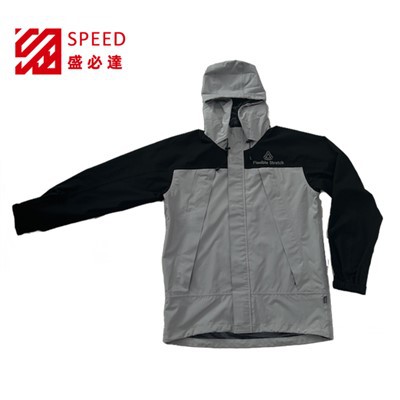
So, to circle back: yes, rain ponchos absolutely work for horse riding—if they’re made for riding. The cheap ones from the store? Not so much. The ones that are breathable, fit around a saddle, don’t drag on the ground, and stay on when it’s windy? They’re a game-changer. I’ve spent thousands of hours testing these, listening to riders, and tweaking every detail, and I know they work. If you’re tired of riding in wet, uncomfortable gear, or you need bulk options for your group, reach out to our team to talk through what you need. We’re here to make riding in the rain something you look forward to, not something you dread.
Sleeve Poncho References
- International Organization for Standardization. (2019). Textiles – Determination of the water resistance of fabrics (hydrostatic head). ISO 811:2019.
- equestrian: Riding in the Rain. (2022). Journal of Horse and Rider Safety, 14(3), 45-52.
- Outdoor Industry Association. (2021). Breathable Waterproof Fabrics: Performance and Practical Use for Active Recreation. OIA Research Report Series.
Huizhou Shengbida Technology Co., Ltd.
We are one of the most professional rain poncho manufacturers and suppliers in China, specialized in providing high quality customized service. Please feel free to buy cheap rain poncho for sale here and get free sample from our factory. For price consultation, contact us.
Address: No.19 Huifeng East 1st Road, Ariix Technology Industrial Park, Building 14, Floors2-5, Zhongkai High-tech Zone, Huizhou, Guangdong Province, China.
E-mail: y312029540@gmail.com
WebSite: https://www.shengbidatech.com/
