How to Choose an Injection Molding Robot?
If you’re reading this, chances are you’re either an injection molding plant manager, a process engineer, or a procurement specialist looking to upgrade your automation setup—and let’s be honest, choosing the right robot for injection molding doesn’t have to feel like navigating a maze. Over the past decade, I’ve worked alongside hundreds of molding facilities, sharing our robots and troubleshooting with teams that once struggled with cycle times, part defects, and labor shortages. The questions I hear most? “What size do I need?” “Is a servo or pneumatic better?” and “How do I make sure this doesn’t become just another piece of equipment that sits idle?” Today, I’m breaking down the real-world factors that actually matter when selecting an injection molding robot—no jargon, no sales pitches, just the lessons we’ve learned from working on the factory floor. Injection Molding Robot
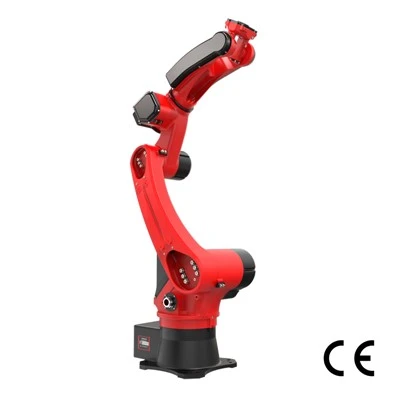
First, let’s start with the basics: what an injection molding robot does, and why it’s not a one-size-fits-all tool. An injection molding robot’s core job is to remove molded parts from the machine’s mold, place them in a designated area (a tray, conveyor, or inspection station), and often handle secondary tasks like trimming sprues, inserting inserts, or stacking parts. Skip the wrong robot, and you’ll end up with bottlenecks that add 10 to 20 seconds per cycle—time that adds up to thousands of lost dollars a month. Get it right, and you’ll cut cycle times, reduce labor costs, and improve part consistency that makes your customers happier.
The first factor to consider is your injection molding machine’s specifications, and this is non-negotiable. I’ve seen plants pair a 50-ton molding machine with a robot that had a horizontal stroke too short, so it couldn’t reach the core of the mold, or a payload capacity too low to handle a thick automotive interior part. Every molding machine has a “platen size” (the distance between its moving and fixed platens) and a “mold height” — critical measurements you need to match to a robot’s reach. For horizontal arm robots (the most common type for small to medium parts), horizontal stroke is the maximum distance the arm extends out of the molding machine to grab a part. If your mold is centered off the platen, you’ll need to calculate the offset to make sure the robot’s reach covers that gap. For example, a mold mounted 20 inches from the machine’s center line needs a robot with a minimum horizontal stroke of 24 inches to safely grab the part without hitting the mold or machine. Don’t guess here: pull your molding machine’s manual, measure your current mold, and cross-reference that with a robot’s spec sheet before you do anything else. If you’re unsure, our team has helped dozens of clients take these measurements over a call—no obligation, just good advice.
Next, payload capacity. This is the total weight the robot can safely lift and move, including the part, sprue, end-of-arm tooling (EOAT), and any inserts you’re handling. A mistake here is a quick way to cause downtime. I once worked with a medical molding plant that tried to save 10% on a robot by choosing one with a payload of 5 kg, even though their surgical trays weighed 5.2 kg. Within three months, the robot’s arm was showing excessive wear because it was operating at overload, leading to a mold collision that cost them $15,000 in repairs and two weeks of lost production. The rule of thumb: add 20% to the total weight of your heaviest part plus EOAT to get the minimum payload you need. If your part is 4 kg, and your end-of-arm tool (the gripper, vacuum cups, or sensors) is 1 kg, that’s 5 kg total—so a 6 kg payload robot is your sweet spot. Servo-driven robots (which we supply) typically have precise payload ratings, unlike cheaper pneumatic models, so you won’t have to overcompensate as much.
Now, the big debate: servo vs. pneumatic robots. Pneumatic robots use compressed air to move their axes, making them cheaper upfront, but they’re less precise and slower than servo models. For simple tasks like grabbing a small plastic container and placing it on a conveyor, pneumatic robots can work well—they’re easy to program for basic point-to-point moves, and they don’t require complicated setup. But if you’re molding high-volume parts (like 100,000 units a month) or handling complex secondary tasks (inserting metal pins into a mold, trimming excess plastic, or stacking parts to consistent heights), servo robots are almost always the better choice. Servo robots use electric motors for each axis, so they can adjust speed and position in real time, which cuts cycle times by 5 to 15% compared to pneumatic models. I’ve seen a client switch from a pneumatic robot to a servo robot on a 100-ton molding machine, and their cycle time dropped from 32 seconds to 26 seconds—adding 6 extra parts per minute, which translated to 8,640 extra parts per day. That’s a huge difference for high-volume production. The tradeoff is that servo robots have a higher upfront cost, but when you factor in labor savings (you don’t need a worker to manually load and unload parts) and reduced scrap rates (servo robots place parts more accurately, so fewer are damaged), the ROI usually hits between 6 and 12 months. It’s a no-brainer for any plant doing more than 50,000 parts a month.
Once you’ve narrowed down type and specs, think about the tasks your robot will perform beyond part removal. This is where a lot of buyers overlook the value of customization. If you’re just removing parts and placing them on a conveyor, a standard robot will work. But if you need secondary operations, you’ll want a robot that can be fitted with additional tools or programmed for multi-step tasks. For example, a consumer goods plant I worked with needed a robot that could grab a toothbrush head from the mold, trim excess plastic, and place it into a packaging tray. Their initial robot purchase was a standard model that couldn’t handle the extra trimming step, so they had to add a separate trimmer station—adding 20 seconds to the cycle time. The fix was to choose a robot with a programmable second axis, so it could rotate the part to trim it without extra equipment. Also, consider end-of-arm tooling (EOAT) compatibility. Make sure the robot you choose has mounting points for grippers, vacuum systems, or sensors that match your part. Some suppliers include basic EOAT with the robot, while others charge extra—so factor that into your total cost. We design our robots with quick-change EOAT mounts, which means if you switch to a different part later, you don’t have to rework the entire setup. That flexibility saves you money down the line.
Then there’s the matter of integration with your existing molding machine and plant systems. This is another common pain point. A robot that doesn’t talk to your molding machine will cause more problems than it solves. Modern servo robots can connect to most standard injection molding machines via Ethernet or OPC UA, which means they can sync with the machine’s cycle: when the mold opens, the robot moves in; when the mold closes, the robot retracts. Older molding machines might require a different connection, so you’ll want to confirm the robot’s compatibility before buying. If your plant uses a manufacturing execution system (MES) to track production, a robot that can send part counts, cycle times, and defect data to the MES will help you streamline operations. I always advise plants to ask for a demo of the robot’s integration with their specific molding machine before making a purchase. A 30-minute live demo on your floor can save you from months of headaches later.
Don’t forget about maintenance and support. A robot is only as good as the support you get when something goes wrong. Cheap, low-quality robots often come with limited support, long wait times for parts, and no on-site service. Our team has had clients who bought robots from overseas suppliers, only to wait 3 weeks for a replacement motor when a sensor failed—costing them thousands in lost production. When choosing a robot supplier, look for one that offers local service technicians, 24/7 phone support, and a stock of common parts. We offer on-site calibration and maintenance for every robot we sell, so if your robot has a problem, our team can be at your plant within 48 hours. Also, check the robot’s ease of programming. Some industrial robots have complicated programming software that requires a specialist to operate. Our robots use a user-friendly, teach-pendant interface, so your existing line workers can learn to program it in a day or two—no specialized training needed. That’s a big win for small to mid-sized plants that can’t afford a dedicated automation engineer.
Another factor that’s become more important post-pandemic: flexibility for future needs. Many plants automate to cover labor shortages, but if you’re planning to add new products or increase production in the next 2 to 3 years, choosing a robot that can be upgraded is key. Some robots have expandable axes, so you can add a vertical axis for stacking parts or a rotary axis for turning parts without buying a whole new robot. For example, a plant that started with a robot for part removal might later want to add an insert function. If they chose a robot with expandable axes, that upgrade only costs a fraction of a new robot. We design all our robots with modular components, so you can adjust them as your production needs change—this extends the lifespan of your robot from 5 years to 10 or more.
Let’s wrap this up with a real example to put it all together. Last year, a 200-ton injection molding plant in the Midwest came to us, looking to replace their 15-year-old pneumatic robot. They were making automotive door handles, 120,000 units a month, with a cycle time of 45 seconds. Their old robot would often misplace handles, leading to a 3% scrap rate, and they were paying a worker $18 an hour to manually load inserts. We walked them through the process: they measured their mold’s horizontal stroke (28 inches) and payload (3.5 kg for the handle plus inserts and EOAT), chose a servo robot with a 5 kg payload and 30-inch horizontal stroke, and added a rotary axis for insert loading. The result? Cycle time dropped to 38 seconds, scrap rate fell to 0.5%, and the worker was reassigned to a higher-value task. Their ROI was 9 months, which was below their 12-month target. This is exactly the kind of outcome we aim for when working with clients.
At the end of the day, choosing an injection molding robot isn’t about picking the biggest or cheapest option—it’s about matching the robot’s specs to your specific production needs, planning for future flexibility, and making sure you have the support to keep it running. If you’re not sure where to start, our team is ready to walk you through your measurements, answer questions about servo vs. pneumatic, and help you find a robot that fits your budget and goals. Whether you’re a small shop looking to automate a single machine or a large plant scaling production, we can tailor a solution that works for you.
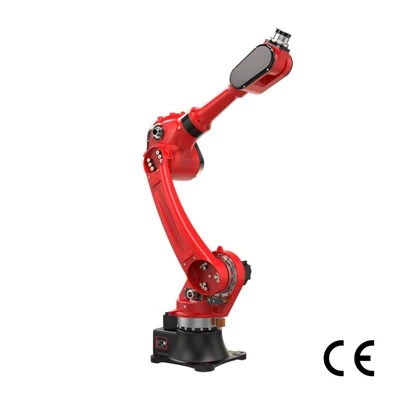
We invite you to reach out to our team to discuss your injection molding robot needs for procurement and collaboration.
Pick and Place Robot References:
- "Injection Molding Automation: A Guide to Robot Selection" — Injection Molding Technology Magazine
- "Payload and Reach Requirements for Injection Molding Robots" — Society of Plastics Engineers (SPE)
- "ROI Analysis for Servo vs. Pneumatic Injection Molding Robots" — Plastics Industry Association
- "Integration Best Practices for Robotic Injection Molding" — Manufacturing Engineering Journal
Robotic Technology (GD) Co., Ltd.
Robotic Technology (GD) Co., Ltd. is one of the most experienced injection molding robot manufacturers and suppliers in China, also supports custom service and one year warranty. Please feel free to wholesale CE approved injection molding robot for sale here from our factory. Contact us for quotation.
Address: Room 102, No. 30,Hengfeng 2nd Road,Daguo, Changping Town, Dongguan City,Guangdong,China
E-mail: admin@iroboticplus.com
WebSite: https://www.rb-tic.com/
