If you’ve ever walked through a metal fabrication shop, you’ve felt the low, steady hum of a metal heating furnace long before you see it. As a supplier that’s worked with foundries, job shops, and aerospace component makers for over a decade, I’ve seen firsthand how these powerful machines transform raw steel, aluminum, and alloy into parts that build cars, aircraft, and even construction equipment. But I’ve also seen close calls: a worker singed by a stray spark from an improperly sealed furnace door, a floor hot enough to blister boots from a misaligned exhaust vent, and a team delayed for days by a fire that started because combustible material was stored too close to the unit. Metal Heating Furnace
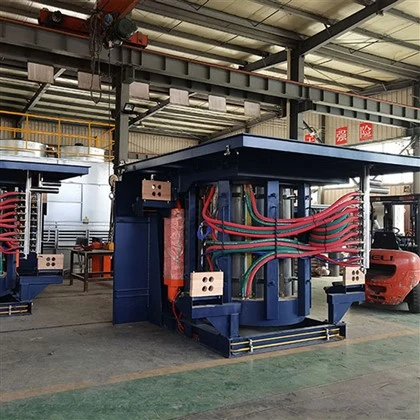
Safety isn’t an afterthought here—it’s woven into every piece of equipment we design and every guide we provide to our clients. In this post, I’ll break down the critical safety precautions for operating a metal heating furnace, ones we’ve learned not just from industry standards, but from the real-world lessons of the shops that use our furnaces every single day.
First, let’s start with the basics that many operators skip because they “have done this a hundred times.” Personal protective equipment (PPE) isn’t just a box to check; it’s the first line of defense. When you work around a furnace, you’re exposed to radiant heat that can cause second-degree burns at just a foot away, molten metal splatters that travel at 100+ mph, and toxic fumes that can impair judgment before you even notice they’re there. So what does proper PPE look like for furnace operators?
For the face and head, a heat-resistant face shield with a tinted visor (not a clear one—clear visors don’t block infrared radiation that causes eye strain and burns) paired with a hard hat that’s rated for high temperatures. We supply our clients with custom face shields that fit over prescription glasses, because we’ve seen operators skip this and end up with tiny metal shavings embedded in their eyes from a cracked visor. For the body, a full-length heat-resistant apron made of leather or fire-retardant fabric—not just a smock that stops small sparks. Gloves need to be 14-inch minimum length, up to the elbow, and rated for contact heat of at least 932°F; short gloves leave your wrists exposed to radiant heat that seeps through gaps. And never wear synthetic fabrics—polyester or nylon melts on contact with heat, sticking to skin and making burns far worse. We had a client last year whose operator wore a synthetic hoodie, and when a furnace door popped open, the fabric melted to their shoulder, requiring a week of medical leave. That’s a mistake we now emphasize in every training session we host for new clients.
Next, furnace preparation before every use. A lot of accidents happen because operators rush through pre-use checks, thinking “nothing bad will happen today.” But we’ve designed our furnaces with sensors that alert operators to issues, but those sensors only work if you do a physical walkthrough first. Let’s break that down step by step.
First, clear the work area. A furnace is not a storage unit. Any combustible material—wood pallets, rags, cardboard, even half-empty cans of cutting oil—needs to be at least three feet away from the furnace. Radiant heat from a furnace can ignite paper at 451°F, and many furnaces run at 1,800°F or higher. I once visited a small shop where an operator stored scrap aluminum right up against the furnace wall, and a few pieces caught fire overnight when the unit was left in idle mode. The fire destroyed a $5,000 heater element and shut the shop down for two weeks. We now add a wall-mounted clearance marker on every furnace we ship, so operators can see exactly how far they need to keep materials away.
Then, check the furnace’s structural components before firing it up. Inspect the door seal: a loose or cracked door lets heat and toxic fumes escape, and can cause the unit to lose temperature efficiency, but more importantly, a gap means splashing metal can get through if you’re not careful. Check the exhaust vent and flue for blockages—dust, metal shavings, or even bird nests can clog the flue, leading to carbon monoxide buildup. We’ve had clients ignore flue checks and end up with workers experiencing carbon monoxide poisoning because the fumes backed up into the shop. And test the emergency shut-off system. Every furnace we supply has a manual shut-off button right by the operator station, but many operators don’t know where it is. We run drills with every new client: we ask them to locate the shut-off mid-training, and if someone can’t do it in 10 seconds, we hold additional training until they can. It’s a simple step that can prevent a small issue from becoming a disaster.
Once the furnace is running, operational precautions are just as important. This is where the routine of the job can lead to complacency, so it’s crucial to stick to strict rules every single time.
First, never leave a running furnace unattended. Even for a quick trip to the break room, that’s a risk. We’ve heard stories of operators who left a furnace to grab lunch, and a batch of metal overheated, leading to a pressure buildup that cracked the furnace’s shell. Modern furnaces have automated controls that shut off heat if temperature limits are exceeded, but those controls can fail. We recommend assigning a dedicated operator to every running furnace, and if a break is needed, having another trained team member monitor it.
Handling metal charges is another high-risk area. When you’re loading or unloading molten metal, you’re dealing with extreme heat and heavy loads. Use only calibrated lifting equipment—cranes, hoists, or tongs rated for the weight of the charge. Never use a chains or hooks that are frayed or cracked; we supply our clients with tongs made from heat-treated alloy steel, because regular steel can warp at high temperatures and drop a load. Also, never overfill the furnace. Molten metal expands when heated, and overfilling can cause it to spill over the edges, leading to burns or fires. We include a fill line on every furnace pot, and we train operators to stop loading once the metal reaches that line.
Fume management is a often overlooked but critical safety step. Metal heating furnaces release fumes—from oxidation of metal, from combustion of fuel (if it’s a gas furnace), and from coatings on raw metal. These fumes can include carbon monoxide, nitrogen oxides, and even heavy metal particles that are harmful if inhaled. Every furnace we sell comes with a ventilation system, but it only works if it’s used correctly. Make sure the ventilation hood is positioned directly over the furnace, not off to the side where fumes can drift into the shop. Never block the ventilation ducts—we had a client who stacked metal parts in front of the duct, and fumes built up in the shop, leading to three workers reporting headaches and dizziness. We now include a ventilation inspection checklist in our equipment manual, so that’s one of the first things operators go through every shift.
Emergency preparedness is the final piece of the puzzle. Even with all the precautions, accidents can happen, so being ready to respond can minimize harm.
First, have a fire plan. Every furnace area needs a Class D fire extinguisher—this is not the standard ABC extinguisher you might have in an office. Class D extinguishers are designed to put out fires involving flammable metals, like the aluminum or steel used in furnaces. Regular extinguishers can actually make metal fires worse by reacting with the molten metal. We make sure every client has at least two Class D extinguishers near each furnace, and we train operators how to use them in a simulated fire drill. Also, have a clear evacuation route posted—no obstacles, no confusing turns. We once worked with a shop that had an evacuation route blocked by a stack of steel beams, and during a small fire drill, operators were delayed by 10 seconds, which felt like an eternity.
For burn injuries, have a first aid station within 50 feet of the furnace, with sterile burn dressings, cool running water (for flushing minor burns), and a list of the nearest hospital with a burn unit. We emphasize that for a heat burn, the first step is to run cool (not cold) water over the area for 10 minutes—ice can damage the skin further. We’ve seen operators who used ice on a burn, and it turned a minor injury into a more serious one.
Finally, training and regular refreshers. Safety isn’t a one-time class; it’s ongoing. We host quarterly training sessions for all our clients, and we recommend that every operator gets at least 8 hours of annual safety training, plus hands-on drills. A lot of accidents happen because new operators are hired and given a quick walkthrough, not proper training. We’ve designed our training to be hands-on, not just slideshows—operators get to practice loading metal, shutting off furnaces in an emergency, and using Class D extinguishers. That’s stuck with them far more than any rule book.
At the end of the day, our goal as a metal heating furnace supplier isn’t just to sell equipment—it’s to make sure our clients’ teams go home safe every day. We build every furnace with safety as a top priority, but no piece of equipment can replace human care and vigilance. If you’re in the market for a new metal heating furnace, or if you’re looking to upgrade your existing setup with better safety features, we’re here to help. We’ve worked with shops of all sizes, from small job shops to large aerospace foundries, and we can tailor a solution that fits your needs and your safety goals.
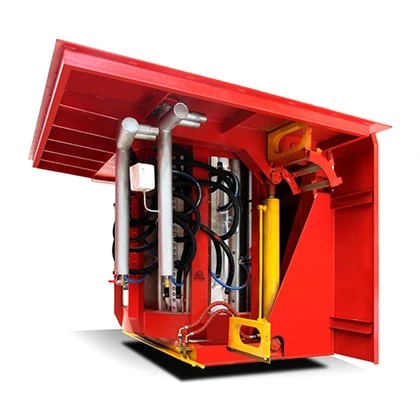
Don’t wait for an accident to review your safety protocols. Reach out to us today to discuss your equipment needs, request a safety training session, or learn more about how our furnaces are designed to protect your team.
Heat Treatment Furnace References
Occupational Safety and Health Administration (OSHA). "Worker Safety in Metalworking Operations."
National Fire Protection Association (NFPA). "Standard for Fire Protection in Industrial Heating Processes (NFPA 86)."
American Foundry Society (AFS). "Foundry Safety and Health Practices Guide."
International Organization for Standardization (ISO). "Safety Requirements for Industrial Furnaces (ISO 13849)."
Xi’an Aobang Technology Co., Ltd.
As one of the most professional metal heating furnace manufacturers and suppliers in China, we’re featured by quality products and good price. Welcome to buy durable metal heating furnace for sale here and get quotation from our factory. Customized orders are welcome.
Address: No.268, Caotan 6th Road, Economical and Technological Development Zone, Xi’an, Shaanxi, China.
E-mail: alicezhang@xaabfurnace.com
WebSite: https://www.xaabfurnace.com/
