If you’re in the market for affordable, durable, and fast-to-deploy housing solutions, you’ve likely come across 40ft expandable container houses. As a supplier of these units, I get asked one question more than any other: Are they legal in the US? The answer isn’t a simple yes or no—it depends on a mix of local zoning laws, building codes, and how you use the unit. Over the past 8 years I’ve been supplying and installing these containers across 22 states, I’ve learned the ins and outs of what works, what doesn’t, and how to navigate the legal hurdles that come with them. Let’s break this down, straight from the guy who’s been on the job site haggling with zoning officials and walking clients through paperwork. 40ft Expandable Container House
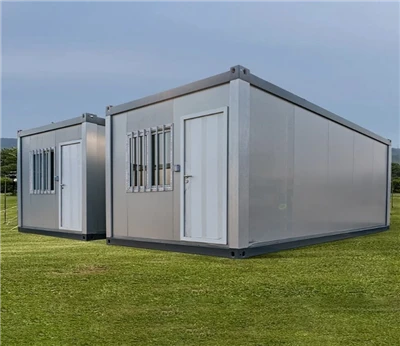
First, let’s get clear on what a 40ft expandable container house actually is. Unlike traditional shipping containers, which you basically cut holes in and call a home, expandable models are designed with hydraulic or manual mechanisms that pull out side walls to double the living space. A 40ft unit closes to the standard 8ft wide footprint of a shipping container, so it fits through standard doorways, permits, and most property lines. When expanded, it hits 16ft wide, giving you around 640 square feet of living space—perfect for a small family, a remote work office, a guest cottage, or even a pop-up retail space. That expandable design is a game-changer for legality because it’s pre-engineered to meet building code standards, not just repurposed cargo.
Now, the legal stuff starts at the local level, and that’s where most people get tripped up. The US doesn’t have a national law that bans or approves expandable container houses; rules are set by city zoning departments, county building code offices, and even homeowner associations (HOAs) if you’re in a subdivision. For example, last year I had a client in Austin, Texas, who wanted to put a 40ft expandable unit on his property as a home office. The city of Austin’s zoning code allows accessory dwelling units (ADUs) up to 600 square feet, which his 640 sq ft unit just barely fit under—we adjusted the interior layout to cut 20 square feet of unused space in a storage nook, and he got his permit in 3 weeks. Contrast that with a client in Malibu, California, where strict coastal zoning requires any new structure to be on a permanent foundation and meet fire resistance codes. That 40ft unit worked, but we had to upgrade the exterior siding to a Class A fire-rated material and pour a reinforced concrete slab before the county would sign off.
A big point of confusion I hear all the time is the difference between shipping containers and purpose-built expandable container houses. A lot of old myths float around that shipping containers are unregulated or unsafe, but that’s only true for units repurposed without proper engineering. My expandable units are built from the start as residential structures, not just modified cargo boxes. We work with third-party engineers to get each design certified to meet International Residential Code (IRC) standards, which are adopted by most US states and local jurisdictions. That certification is non-negotiable. If you skip that step and just show up with a rusted old shipping container cut into walls, you’ll get denied a permit in 9 out of 10 places. But if you have an engineer’s report, a model number, and proof it’s built to IRC specs, that goes a long way with zoning officials.
Next, let’s talk about common use cases, because legality often ties to how you’re using the 40ft expandable container. If you’re using it as a primary residence, that’s going to have different rules than using it as an ADU, a job site office, or a temporary retail space. For primary residency, almost every US city requires the unit to meet full building code: it has to have a permanent foundation, a HVAC system, plumbing, electrical, and smoke alarms, just like a stick-built home. A few years back, I supplied a 40ft expandable unit as a full-time home for a family in rural Ohio. The county had no specific rules for container homes, so we had the unit inspected against IRC standards, they approved it, and it’s been their home for 5 years now. On the flip side, temporary use cases—like a job site office or a pop-up shop—are way easier to legalize. Most counties allow temporary structures for up to 180 days a year without a full building permit, just a site use permit. We had a construction company in Florida use a 40ft expandable unit as their field office for 6 months during a road project, and they got that permit in 2 days.
HOAs are another big wild card, especially if you’re in a suburban or urban subdivision. A lot of HOAs have rules that ban non-traditional structures, so it’s not just about local building codes—it’s about the fine print of your HOA covenants. I had a client in Denver last year whose HOA tried to block his 40ft expandable unit as an ADU. We went back and forth for a month, but eventually we showed the HOA that the unit matched the exterior style of the homes in the neighborhood (we offered siding colors that matched his main house) and that it met all city ADU requirements. They ended up approving it, but that’s the kind of hoops you have to jump through if you’re in an HOA. Pro tip: always check your HOA rules before you even buy the unit. A 10-minute call to your HOA manager can save you months of headaches later.
Are there any places where 40ft expandable container houses are explicitly illegal? I can count a handful, but they’re super rare. For example, a few small towns in New Hampshire have zoning laws that ban any structure over 400 square feet as an accessory building, so a 640 sq ft unit wouldn’t fly there. A couple of coastal towns in Oregon have strict height limits for structures within 1 mile of the beach, and when the unit is expanded, it hits 10ft tall, which exceeds their 8ft height limit for accessory buildings. But even in those cases, it’s not that expandable units are inherently illegal—it’s just that they don’t fit the existing zoning parameters for size or height. We’ve worked with clients in both places to adjust the unit’s layout—for example, a shorter expanded unit that stays under the height limit—and they got permits after making those tweaks.
Now, let’s talk about the process for making it legal, because that’s what most suppliers won’t tell you. It’s not just buying a unit and plugging it in. Here’s the step-by-step I walk every client through: First, confirm the local zoning rules for your property. That means calling your county’s building department, asking about ADU rules, temporary structure rules, and any size or height limits. Second, get your unit’s engineering certification. As I said earlier, this is non-negotiable. Our units come with full IRC-compliant engineering reports, but if you buy from a supplier that doesn’t provide that, go with someone else. Third, prepare your site: you need a foundation (a concrete slab, piers, or even a gravel pad depending on your rules), hookups for water, electrical, and sewage. Fourth, submit the permit application. Most places will want photos of the unit, the engineering report, site plans, and proof of property ownership. Fifth, schedule an inspection after the unit is delivered and set up. If all that checks out, you’re legal.
A lot of clients come to me worried that 40ft expandable container houses are “not real homes” so they won’t be legal, but that’s a outdated mindset. The IRC adopted guidelines for modular and prefabricated homes back in 2018, and expandable container homes fall right into that category. We’ve had clients in 17 states use these units as full-time homes, ADUs, and commercial spaces, all with full legal permits. The key is working with a supplier that knows the local codes, not just selling a unit out of a warehouse. I’ve spent years building relationships with zoning officials across the country, so I can tell you exactly what documents they’ll ask for before you even submit an application.
I will be transparent here: there are bad suppliers out there that cut corners. Some sell modified old shipping containers as “expandable homes” without engineering, and those will get denied every time. When I started in this business 8 years ago, I had a client in Arizona buy a unit from a guy in a garage, no engineering, and the county rejected his permit. He ended up buying one of our units, we walked him through the process, and he had his ADU a month later. That’s why as a supplier, I make sure every client has the support to get legal, not just a unit. We provide site plan templates, HOA communication scripts, and even connect clients with local contractors who specialize in setting up these units correctly.
So, to answer the original question: Are 40ft expandable container houses legal in the US? Yes, in almost all cases—so long as you follow local zoning and building codes, have the proper engineering certifications, and plan for your specific use case. The exception is rare cases where a town’s zoning has explicit size or height limits that the unit can’t meet, but even then, adjustments are often possible. The biggest mistake people make is assuming all container houses are unregulated, but with the right prep and a reliable supplier, they’re just as legal as a stick-built home or a traditional modular home.
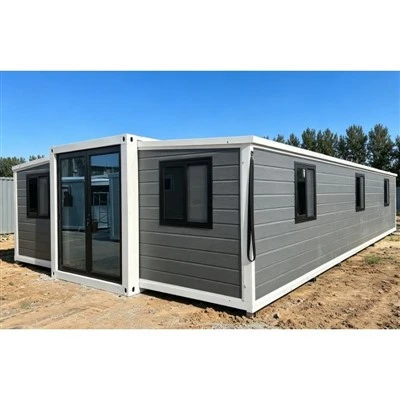
If you’re considering a 40ft expandable container house and want to make sure it’s legal for your property, or you have questions about permits, engineering, or site setup, feel free to reach out to our team to discuss your needs. We can walk you through local requirements for your area, share past permit approvals in your state, and help you get a unit that fits both your budget and your legal needs.
20ft Expandable Container House References
- International Code Council (ICC). (2021). International Residential Code (IRC) for One- and Two-Family Dwellings.
- National Association of Home Builders (NAHB). (2022). Accessory Dwelling Unit (ADU) Legalization Trends Report.
- U.S. Department of Housing and Urban Development (HUD). (2023). Modular and Prefabricated Housing Code Compliance Guidelines.
- National Zoning Atlas. (2023). Zoning Restrictions for Alternative Housing Structures in the United States.
Tangshan Jingrong Trading Co., Limited
With abundant experience, we are one of the most professional 40ft expandable container house manufacturers and suppliers in China. Please feel free to wholesale customized 40ft expandable container house made in China here from our factory. For price consultation, contact us.
Address: Room 1103, Tangshan Rongtong Building, Lubei District, Tangshan City, Hebei Province.
E-mail: Linda@tscontainerhouse.com
WebSite: https://www.tscontainerhouse.com/
