A sewage treatment plant is a complex and crucial infrastructure that plays a vital role in environmental protection and public health. As a sewage treatment plant supplier, I have witnessed firsthand the importance of well – trained operators in ensuring the efficient and effective operation of these facilities. In this blog, I will delve into the training requirements for sewage treatment plant operators. Sewage Treatment Plant

Fundamental Knowledge Training
- Understanding of Sewage Composition and Characteristics
Operators need to have a solid understanding of the various components present in sewage. This includes organic matter such as human waste, food residues, and industrial by – products, as well as inorganic substances like heavy metals, salts, and sand. Different types of sewage, such as domestic sewage, industrial sewage, and stormwater runoff, have distinct characteristics. For example, industrial sewage may contain high levels of toxic chemicals, which require specific treatment methods. Training on sewage composition helps operators anticipate the challenges that may arise during the treatment process and select the appropriate treatment technologies. - Knowledge of Treatment Processes
There are several common sewage treatment processes, including primary treatment, secondary treatment, and tertiary treatment. In primary treatment, physical processes such as screening, sedimentation, and flotation are used to remove large solids and floating materials from the sewage. Secondary treatment focuses on the biological decomposition of organic matter by microorganisms. Tertiary treatment, which is often optional but increasingly important for water reuse, involves further purification steps such as filtration, disinfection, and nutrient removal. Operators must be well – versed in the principles, mechanisms, and operational parameters of each treatment process. They should know how to adjust the flow rate, aeration intensity, and chemical dosing in secondary treatment to optimize the growth of beneficial microorganisms and ensure efficient organic matter removal.
Technical Skills Training
- Equipment Operation and Maintenance
A sewage treatment plant is equipped with a variety of machinery and equipment, such as pumps, blowers, clarifiers, and digesters. Operators must be trained to operate these devices correctly. This includes understanding the control panels, starting and stopping procedures, and safety precautions. For instance, improper operation of a pump can lead to overheating, mechanical failure, or even sewage spills. In addition to operation, regular maintenance of the equipment is essential to prevent breakdowns and extend its service life. Operators should be able to perform basic maintenance tasks, such as lubrication, filter replacement, and minor repairs, and also recognize the signs of impending equipment failure and arrange for timely professional maintenance. - Instrumentation and Monitoring
Accurate monitoring of various parameters is crucial for the proper operation of a sewage treatment plant. Operators need to be familiar with different types of instruments, such as pH meters, dissolved oxygen meters, turbidity meters, and chemical analyzers. They should know how to calibrate these instruments regularly to ensure accurate measurements. Monitoring data provides valuable information about the quality of influent and effluent, the performance of treatment processes, and the overall health of the plant. Based on the monitoring results, operators can make adjustments to the treatment process in a timely manner. For example, if the dissolved oxygen level in the activated sludge tank is too low, the operator can increase the aeration rate to improve the activity of microorganisms.
Safety and Environmental Awareness Training
- Safety Procedures
Working in a sewage treatment plant involves various safety risks, including exposure to harmful chemicals, biological hazards, and potential mechanical injuries. Operators must receive comprehensive safety training. This includes wearing appropriate personal protective equipment (PPE), such as gloves, goggles, respirators, and safety shoes. They should also be trained on the proper handling and storage of chemicals used in the treatment process, such as chlorine for disinfection. In case of emergencies, such as chemical spills or equipment malfunctions, operators should know the emergency response procedures, including evacuation routes, first – aid measures, and how to report incidents. - Environmental Regulations Compliance
Sewage treatment plants are subject to strict environmental regulations. Operators need to be aware of these regulations, which cover aspects such as effluent quality standards, sludge disposal, and air emissions. They must ensure that the plant’s operations comply with all relevant laws and regulations. For example, the discharge of treated sewage into water bodies must meet specific limits for biochemical oxygen demand (BOD), chemical oxygen demand (COD), total suspended solids (TSS), and nutrients such as nitrogen and phosphorus. Failure to comply with environmental regulations can result in severe penalties, including fines and plant shutdowns.
Regulatory and Certification Requirements
- Local and National Regulations
Different regions have their own specific regulations regarding sewage treatment plant operation. In some areas, operators may be required to obtain specific licenses or certifications to operate the plant legally. These regulations often cover aspects such as operator qualifications, training requirements, and reporting procedures. For example, in the United States, the Environmental Protection Agency (EPA) has established guidelines for the training and certification of sewage treatment plant operators at different levels, from entry – level to advanced. - Certification Programs
Many certification programs are available for sewage treatment plant operators. These programs typically involve a combination of classroom training, on – the – job experience, and written and practical examinations. Obtaining a certification not only demonstrates an operator’s competence but also enhances their professional credibility. For example, the Water Environment Federation (WEF) offers the Certified Wastewater Operator (CWO) program, which is recognized across the industry.
Continuous Training and Professional Development
- Technological Advancements
The field of sewage treatment is constantly evolving, with new technologies and treatment processes emerging regularly. Operators need to participate in continuous training to keep up with these advancements. For example, the development of membrane bioreactor (MBR) technology has provided a more compact and efficient way to treat sewage. Operators should be trained on how to operate and maintain MBR systems, including membrane fouling control and cleaning procedures. - Industry Best Practices
Continuous training also allows operators to learn about industry best practices. This includes energy – efficient operation, cost – effective treatment methods, and sustainable management of sewage treatment facilities. By adopting best practices, operators can improve the performance of the plant, reduce operating costs, and minimize the environmental impact.
The Role of a Supplier in Operator Training
As a sewage treatment plant supplier, we play a crucial role in providing training to operators. We offer comprehensive training programs that cover all aspects of plant operation and maintenance. Our training courses are conducted by experienced engineers and technicians who have in – depth knowledge of sewage treatment technologies.
We provide on – site training at the customer’s plant, which allows operators to learn in a real – world environment. Our trainers can demonstrate the operation of equipment, explain the treatment processes, and answer any questions that the operators may have. In addition to on – site training, we also offer online training resources, such as video tutorials and e – learning modules, which operators can access at their own convenience.
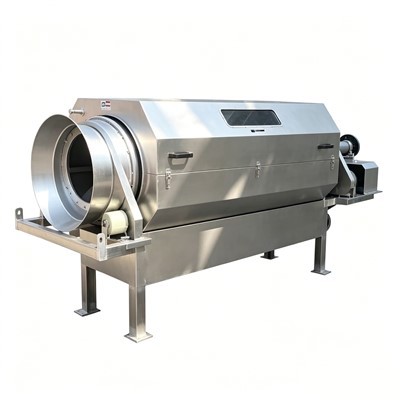
We understand that well – trained operators are essential for the success of our customers’ sewage treatment plants. By investing in operator training, we can help our customers achieve optimal plant performance, ensure compliance with environmental regulations, and extend the service life of the equipment.
Packaged Sewage Treatment Plant If you are in the process of setting up a sewage treatment plant or looking to upgrade your existing facility, we are here to help. Our team of experts can provide you with the latest information on sewage treatment technologies, offer customized training solutions, and assist you in selecting the most suitable equipment for your needs. Contact us to start a procurement discussion, and let’s work together to build a more sustainable future through efficient sewage treatment.
References
- Metcalf & Eddy. (2014). Wastewater Engineering: Treatment and Resource Recovery. McGraw – Hill Education.
- Water Environment Federation. (2018). Operation of Wastewater Treatment Plants: A Field Study Training Program. Water Environment Federation.
- United States Environmental Protection Agency. (2019). Manual of Individual Septic Tank Systems. United States Environmental Protection Agency.
Shandong Lingke Environmental Technology Co., Ltd.
We’re well-known as one of the leading sewage treatment plant manufacturers and suppliers in China, featured by quality products and good price. Please rest assured to buy durable sewage treatment plant for sale here from our factory. Customized orders are welcome.
Address: 100 Meters South of the Intersection of County Road 042 and National Highway 309, Changle County, Weifang City, Shandong Province
E-mail: aileenlin@sdlingkegroup.com
WebSite: https://www.lkecotech.com/
