Hey there! I’m a supplier of wood wool panels, and today I wanna chat about a question I get asked a lot: Can wood wool panels be used for insulation? Well, let’s dive right in and find out. Wood Wool Panels
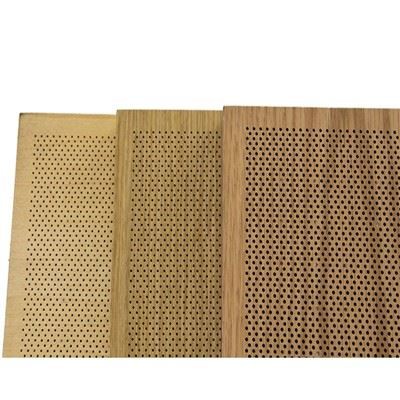
First off, let me tell you a bit about what wood wool panels are. These panels are made from long, thin strands of wood that are mixed with a binder. They’ve got a unique look, with that fibrous texture that gives them a bit of rustic charm. But they’re not just about looking good – they’ve actually got some pretty impressive properties that make them a great option for insulation.
Let’s start with the basics of insulation. What does insulation do? It’s all about reducing the transfer of heat, sound, and sometimes even moisture. In the case of heat insulation, you want a material that can keep the warm air in during the cold months and the hot air out during the summer. Sound insulation helps to create a quieter environment by blocking out unwanted noise. And moisture insulation can prevent issues like mold and mildew by keeping dampness at bay.
So, how do wood wool panels stack up in these areas?
Heat Insulation
Wood is a natural insulator, and wood wool panels take advantage of that. The wood fibers in the panels create a network of tiny air pockets. Air is a poor conductor of heat, so these pockets act as barriers to heat transfer. When you install wood wool panels on the walls or roof of a building, they slow down the movement of heat between the inside and the outside.
Let’s say you’ve got a house in a cold climate. During the winter, the heat from your heater wants to escape through the walls. But with wood wool panels, it’s like putting up a roadblock. The heat has to work harder to get through those air pockets, so your home stays warmer and you use less energy to heat it. On the flip side, in a hot climate, the panels stop the outside heat from seeping in, keeping your home cool and reducing your air – conditioning bill.
Now, I know some of you might be thinking, "How do wood wool panels compare to other insulation materials like fiberglass or foam?" Well, the R – value is a measure of how well a material resists heat flow, and wood wool panels have a decent R – value. It’s not as high as some high – performance foams, but it’s still good enough to make a significant difference in energy efficiency. And the big plus is that wood wool panels are more environmentally friendly. They’re made from a renewable resource, and they don’t have some of the harmful chemicals that can be found in some synthetic insulation materials.
Sound Insulation
Another area where wood wool panels shine is in sound insulation. Have you ever lived in a place where you could hear every little noise from the neighbors or the street? It can be really annoying. But wood wool panels can help with that.
The porous structure of wood wool panels is great at absorbing sound waves. When sound hits the panel, it gets trapped in those little air pockets and the fibers. The sound energy is converted into heat energy, which means less sound gets transmitted through the panel. This is especially useful in places like offices, schools, and apartments where you want to create a quiet and peaceful environment.
For example, in an open – plan office, wood wool panels can be installed on the walls or ceiling to reduce the noise from people talking, phones ringing, and equipment humming. It can make a big difference in the productivity and comfort of the workers. And in a school classroom, the panels can help to minimize distractions from the hallway or other classrooms, allowing students to focus better on their studies.
Moisture Insulation
Moisture can be a real problem in buildings. It can lead to mold growth, which is not only unsightly but can also be bad for your health. Wood wool panels have some natural resistance to moisture. The wood fibers are treated to make them more durable, and the structure of the panels allows for some ventilation.
When there’s a little bit of moisture in the air, the wood wool panels can absorb it and then release it slowly. This helps to maintain a stable humidity level inside the building. However, it’s important to note that wood wool panels are not completely waterproof. In areas with high levels of moisture, like bathrooms or basements, you might need to use additional waterproofing measures. But in most normal situations, they can do a good job of keeping the moisture in check.
Installation and Practicality
One of the great things about wood wool panels is how easy they are to install. They’re lightweight, so you don’t need any heavy – duty equipment to handle them. You can cut them with a regular saw, which makes it easy to fit them into the right spaces. Whether you’re a professional builder or a DIY enthusiast, you won’t have too much trouble getting the panels up on the walls or ceiling.
They’re also quite versatile. You can use them in different types of buildings, from residential homes to commercial spaces. They can be used on interior walls, exterior walls, and even on the ceiling. And they come in different sizes and thicknesses, so you can choose the one that best suits your needs.
Cost – effectiveness
When it comes to cost, wood wool panels are a pretty good deal. They’re not as expensive as some of the high – end insulation materials, but they still offer good performance. You’ll save money on your energy bills in the long run, and the initial cost of the panels is reasonable. Plus, since they’re easy to install, you can also save on labor costs if you’re doing the installation yourself.
Conclusion
So, can wood wool panels be used for insulation? Absolutely! They’re a great option for both heat and sound insulation, and they can also help with moisture control to some extent. They’re environmentally friendly, easy to install, and cost – effective. Whether you’re building a new home, renovating an old one, or working on a commercial project, wood wool panels are definitely worth considering.
Sound-absorbing Materials If you’re interested in using wood wool panels for your next project, I’d love to have a chat with you. We can discuss your specific needs and see how our panels can fit into your plans. Drop me a line and let’s start the conversation!
References
- Forest Products Laboratory. "Wood Handbook: Wood as an Engineering Material."
- ASTM International. Standards related to insulation testing.
Guangzhou MQ Acoustic Materials Co., Ltd.
Guangzhou MQ Acoustic Materials Co., Ltd. is one of the most professional wood wool panels manufacturers and suppliers in China, featured by quality products and low price. Welcome to buy CE approved wood wool panels in stock here and get quotation from our factory. We also accept customized orders.
Address: Room D403, KeZhu Business Building, ZhuJi Road, TianHe District, GuangZhou, China
E-mail: Lizzy@mq-acoustics.com
WebSite: https://www.acoustic-projects.com/
