Every morning when my team at [Your Company] bags a batch of polyethylene (PE) sheathing compounds for shipment, I stop by the loading dock and glance at the small laminated card taped to each forklift. It’s not a brand policy—it’s a handwritten checklist a worker here drew up after a colleague had a close call with spilled pellets and a forklift’s hot exhaust. For us, as a PE sheathing compounds supplier, worker safety isn’t a box to tick on an audit form; it’s a conversation we’ve been having on every shift for 12 years. PE compounds, while widely used to insulate cables, power lines, and telecom lines, come with hidden risks if not handled right, and our job isn’t just to ship high-quality material—it’s to make sure the people moving it, mixing it, and loading it go home at the end of the day. I’ve spent years refining these protocols with our team, and they’re built less on industry jargon and more on the small, daily adjustments that stick. PE Sheathing Compounds
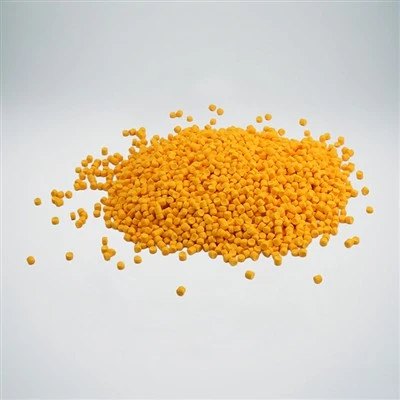
First, we start with the material itself—because a little knowledge about what you’re handling goes a long way. PE sheathing compounds are thermoplastics, which means they soften when heated and harden when cooled. At room temperature, they’re mostly inert pellets, but that’s where the simplicity ends. When we melt these pellets during manufacturing, small volatile organic compounds (VOCs) like ethylene and propylene are released. Those fumes aren’t just unpleasant; in poorly ventilated spaces, they can cause dizziness, nausea, or even headaches with prolonged exposure. Worse, when pellets are spilled and tracked on floors, they turn into a slip hazard that’s caused more than one knee injury on our production floor. Our team doesn’t just rely on the safety data sheet (SDS) that comes with every batch; we hold a 15-minute huddle before each shift to walk through that SDS together. Last quarter, we realized most of our new hires were skipping the SDS’s section on physical hazards because it felt too technical, so we turned it into a quick quiz: “Name one slip risk of spilled PE pellets” or “What’s the first sign you should stop working if you smell fumes?” It’s low-stakes, but it makes the information stick far better than a memorized document. We also keep a physical copy of the SDS posted by every processing station, not just stored in a desk drawer—no one has to ask where to find it when they need it.
Next, the gear isn’t one-size-fits-all, and we don’t let workers cut corners on it. At first, we issued generic nitrile gloves and basic safety goggles to every employee, but we noticed that many of our more experienced workers would skip gloves when bagging pellets, saying they were “too much of a hassle.” That changed when we started testing different glove types: thicker nitrile for mixing stations where pellets might stick to hot surfaces, thin, flexible vinyl gloves for bagging so workers could feel when a seal was too tight and avoid pinching their fingers. For goggles, we switched to wrap-around styles instead of the old squarish ones that left gaps around the eyes—last year, a worker had a pellet fly into the side of his eye and said the old goggles wouldn’t have blocked it. We also have a small “gear station” by each exit with extra gloves, goggles, and even face shields for when a batch needs to be melted or processed at high temperatures. The key here is giving workers choices, not just rules. If someone says a pair of gloves is uncomfortable, we don’t just tell them to wear it—we bring in three other options until we find one that works. We’ve also eliminated a common shortcut: no worker can load or unload a trailer without closed-toe shoes, and we have a basket by the time clock where anyone can leave flip-flops or sandals before their shift starts. It’s a small rule, but it’s prevented two crushing foot injuries in the last five years.
Ventilation is the unsung hero of worker safety for us, and it’s something we’ve tweaked over time based on what our team tells us. The area where we process melted PE is enclosed, and we used to run exhaust fans on a fixed schedule—every two hours, they’d kick on for 10 minutes. But one hot summer, when the air in that section was thick with fumes, a worker mentioned he could barely breathe through his lunch break. We installed air quality sensors that trigger the fans automatically when VOC levels rise above a safe threshold, and now they run more often during busy shifts and slower during quiet times. For our bagging and storage areas, which are open to the warehouse floor, we’ve added low-mounted fans near the floor to circulate air where spilled pellets and fumes tend to collect—high-mounted fans just blow pellets around, which makes slips worse. We also have a protocol for what to do if the ventilation system fails: every worker carries a small, personal air monitor in their pocket that beeps when fumes get too high, and there are pre-marked “safe zones” around the perimeter of the facility where people can wait until the system is fixed. Last winter, a fan malfunctioned overnight, and the monitors on the early shift went off before anyone could smell the fumes—without that small investment, we could have had a serious incident.
Training is where most suppliers drop the ball, I think. We used to do a one-day training on worker safety, then leave new hires to learn on the job. That worked for a while, but when we hired a group of six workers in 2020, three of them made the same mistake of not securing pallet loads of PE pellets during transport, leading to a pallet tipping over and breaking a leg. So we restructured training to be hands-on, not just lectures. New hires spend their first two weeks shadowing a senior worker, not doing tasks alone. For loading pallets, they practice securing a load three times before they’re allowed to do it on their own—we use empty pallets and cardboard boxes first, so there’s no risk of heavy pellets falling. We also do monthly “safety drills” that aren’t just fire drills; last month, we ran a drill where a fake spill of PE pellets happened, and we timed how long it took the team to contain it, put up warning signs, and wipe up the spill without anyone slipping. It’s low-pressure, and the team’s feedback helps us adjust—last time, they said the spill kits we used were too big to carry quickly, so we now have small, portable kits at every loading dock. We also make training inclusive: if a worker is bilingual, we share safety materials in both English and their first language, and we never ask someone to learn a task until they’ve had a chance to ask questions without feeling rushed.
Finally, we treat every near-miss as a win, not a failure. Every year, we have at least 10 small incidents that don’t result in injury: a spilled pallet, a worker who felt dizzy from fumes, a glove that got caught in a machine. In the past, we’d brush these off as “no big deal,” but now we have a simple form where any worker can report a near-miss anonymously, and we discuss them at our weekly safety meeting. Last year, a worker reported that a forklift’s exhaust was blowing directly on stacked pellets, which were softening a little from the heat and causing them to stick to the forklift’s forks. We adjusted the exhaust pipe on all our forklifts to angle up, and that near-miss prevented two potential equipment breakdowns. Another time, a worker said the loud noise from mixing machines was giving him headaches, so we invested in sound-dampening panels for that area and gave all workers noise-canceling headphones instead of the old earplugs that fell out. The key here is that workers don’t fear reporting issues—they know it’s a way to make their jobs safer, not get in trouble. We even have a small bonus for the worker who reports the most useful near-miss each quarter, just to reinforce that it’s worth speaking up.
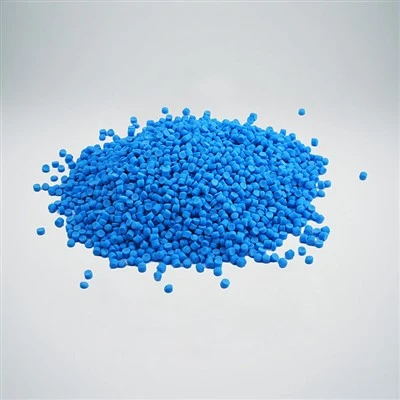
As a PE sheathing compounds supplier, our reputation relies on more than just the quality of our products—it relies on the trust the people handling them have in us to keep them safe. Over the years, we’ve learned that safety isn’t a set of rules printed in a manual; it’s listening to the people who show up to work every day, testing small changes, and being willing to adjust when something isn’t working. If you’re working with PE sheathing compounds and need a supplier that prioritizes worker safety as much as you do, we’d be glad to walk you through our protocols in more detail and discuss how we can partner with you.
Photovoltaic Cable Compounds References
- Occupational Safety and Health Administration (OSHA). Polyethylene (PE) Sheathing Compounds: Safety Guidelines for Handling and Storage. U.S. Department of Labor, 2021.
- National Institute for Occupational Safety and Health (NIOSH). Volatile Organic Compound Exposure in Plastic Processing Facilities. Centers for Disease Control and Prevention, 2020.
- American Chemical Council. Safe Handling Practices for Thermoplastic Pellets in Manufacturing and Logistics. American Chemical Council, 2022.
- International Cable Protection Committee. Worker Safety Protocols for Cable Sheathing Compound Handling. International Cable Protection Committee, 2021.
- Journal of Occupational and Environmental Hygiene. “Best Practices for Preventing Slip and Fall Hazards in Plastic Warehouses.” Volume 18, 2021, pp. 452–460.
Opta New Materials (Jiangsu) Co., Ltd.
As one of the most professional pe sheathing compounds manufacturers and suppliers in China, we also support customized service. We warmly welcome you to buy bulk durable pe sheathing compounds from our factory. If you have any enquiry about free sample, please feel free to email us.
Address: No.80, Jingang Avenue, Zhenjiang New Area, Zhenjiang City, Jiangsu Province, China.
E-mail: le.yin@optachem.com
WebSite: https://www.optanewmaterials.com/
