If you’ve ever dealt with flotation processes, metal extraction, or even some lubricant additives, you’ve probably come across dithiophosphate. Chances are, if you’re on this page, you’re scrolling through supplier info and wondering: Is this stuff actually toxic? As someone who’s been supplying dithiophosphates for over a decade—talking to miners, chemical plant managers, and small-scale manufacturing folks every day—I get why this question comes up so often. It’s not just a random Google query; it’s a make-or-break point for people balancing production needs with workplace safety, environmental rules, and legal hoops. Dithiophosphate
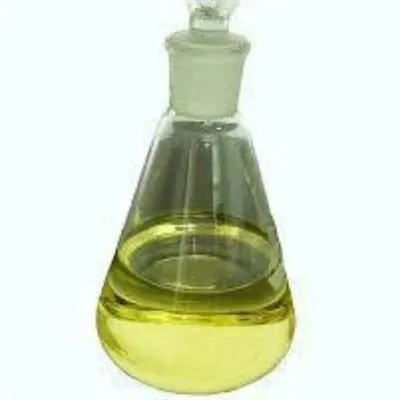
Let’s cut to the chase first: dithiophosphate (I’ll abbreviate it as DTP from here on, no one’s got time to type the full word every time) isn’t a one-size-fits-all toxic or safe chemical. A lot of the confusion comes from mixing up different types of DTPs, their concentrations, how they’re used, and even how they’re handled after use. I’ve seen first-hand how a careless mistake with one DTP can cause a problem, but a properly handled, industrial-grade DTP is totally manageable. Let’s break this down like I would to a new customer who’s calling me at 8 a.m. panicking about safety docs.
First, let’s talk about the different kinds because that’s where the toxic debate gets messy. DTPs are basically salts or esters made from phosphorus sulfide, alcohol, and a base. The most common ones we supply are O,O-dialkyl dithiophosphates—think the ones used in copper flotation, zinc processing, and those anti-wear additives for industrial gear oils. Then there’s zinc dithiophosphate, which is huge for lubricants, and even some specialty DTPs used in herbicides (wait, no—actually, most herbicides use different thiophosphates, but sometimes suppliers mix the names up, which adds to the confusion). The key here is: the alkyl group (that’s the chain of carbon and hydrogen on the molecule) changes everything. Short-chain alkyl DTPs, like the methyl or ethyl versions, are way more water-soluble and can break down differently than long-chain ones, like 2-ethylhexyl DTP. That solubility ties directly to toxicity, because if a chemical dissolves easily in water, it can seep into groundwater faster or get absorbed through skin more readily.
Now, the hard data part—let’s get specific, no vague “it’s bad” takes. Acute toxicity, which is what you’d get if you chug a bottle of it by accident, is actually low for most industrial DTPs. The LD50 (that’s the dose that kills 50% of test animals) for zinc di-2-ethylhexyl dithiophosphate, the biggest seller for us, is around 5,000 mg/kg in rats. For context, table salt has an LD50 of about 3,000 mg/kg—so that means our main DTP is less acutely toxic than salt. That’s a stat I always pull out when a customer asks if it’ll kill someone if they spill a little on their hands. But wait, that’s acute toxicity. Chronic toxicity is a whole other story, and that’s where people get spooked.
Long-term exposure, even in small doses, is where the risks start to add up. Studies from occupational health groups—like the ones I reference for our safety data sheets—show that repeated skin contact with DTPs can cause mild irritation, and in some cases, longer exposure has been linked to liver and kidney issues in lab animals. But here’s the catch: those studies used doses way higher than what workers would actually get with proper PPE (personal protective equipment). Our customers who follow the OSHA guidelines—wearing nitrile gloves, face shields, and good ventilation in mixing areas—barely report any issues. The problem arises when people cut corners: skipping gloves in a hot plant where gloves get sweaty, or spilling a big batch and not cleaning it up immediately. Also, if DTPs mix with acidic water (like mine runoff, which is common where our flotation customers work), they break down into phosphorus sulfide compounds and hydrogen sulfide—that’s the stuff that’s actually toxic, with a LD50 way lower than DTP itself. So it’s not the DTP being toxic; it’s the breakdown products when it’s mishandled or disposed of wrong.
Then there’s environmental toxicity, which is a big one these days, especially with regulators cracking down on waste discharge. DTPs are pretty harmful to aquatic life—fish, in particular. The LC50 (dose that kills 50% of fish) for freshwater trout is around 1-5 mg/L, which is pretty low. But again, context matters here. If you’re using DTP in a closed-loop flotation system (which most of our mining customers do now, to cut costs and stay green), the waste water gets treated on-site before it’s released. A good treatment process—like adding lime to adjust pH and filter out DTPs—can bring concentrations way below regulatory limits (usually 0.1 mg/L or less). I’ve had a few small-scale miners come to me worried their discharge will fail, but switching to our long-chain DTP (which binds to solids easier, so it’s removed faster in treatment) solved their problem. On the flip side, if someone just dumps raw flotation water into a river without treating it, that’s when you get fish kills—and that’s on the bad handling, not the DTP itself.
A lot of people also confuse DTP with other phosphate chemicals, like organophosphorus pesticides. Those are way more toxic because they target the nervous system, while DTPs work for flotation by binding to mineral surfaces, and for lubricants by forming a protective film on metal. The mechanism is totally different, so that’s a common mix-up that causes unnecessary fear. I’ve had customers ask if our DTP is a “pesticide in disguise,” and I always walk them through the molecular structure—no, it doesn’t have the same neurotoxic compounds that make pesticides dangerous. That’s a misconception I’m happy to clear up every week.
Now, as a supplier, how do we make sure our DTP is safe for everyone who uses it? We don’t just sell a drum and disappear. First, all our products come with up-to-date SDS (Safety Data Sheets) that lay out exactly the risks, handling steps, and first aid if something goes wrong. We also provide free training sessions for our regular customers—half-hour Zoom calls where we walk through how to store DTPs (away from acids, obviously), how to clean up spills fast, and what to do if a worker gets exposed. For example, if a spill happens, you don’t hose it down with water (that spreads it); you cover it with absorbent pads, neutralize it with a weak base, and seal the waste for proper disposal. I’ve seen one customer who used to just hose spills down until we walked them through the right method—they cut their waste disposal costs by 30% and avoided a regulatory fine last year.
We also source our DTP from manufacturers that follow strict ISO 14001 environmental standards, so we know the production process doesn’t leak harmful byproducts. That’s not just a box we tick for certifications—it’s how we sleep at night, knowing we’re not supplying chemicals that end up harming communities. We also offer low-toxicity alternatives for customers who are working on green initiatives—like our biodegradable DTP, which breaks down 80% faster in water than standard versions. It’s a little more expensive upfront, but customers tell us it’s worth it for their sustainability reports and to avoid pushback from local environmental groups.
Wait, let’s address the elephant in the room: what about COVID-era supply chain issues that made some suppliers cut corners on purity? I’ve heard horror stories of some sketchy suppliers watering down DTPs or mixing in other toxic chemicals to cut costs. That’s the real toxic stuff—bad quality products that don’t meet safety standards. As a legitimate supplier, we test every batch before it leaves our warehouse, sending samples to third-party labs to check purity and breakdown risks. We don’t just buy the cheapest drum off Alibaba; we build long-term relationships with manufacturers that have been around for decades. That’s why I’m always honest with customers: if you go with a random supplier, you might get a toxic mess. If you work with us, you get a product that’s safe when handled right.
Let me wrap this up with a real example from last month. A small mining operation in Arizona reached out to me panicking because a health inspector flagged their DTP storage area. They were keeping drums on the floor, no secondary containment, and workers were wearing regular cotton gloves (which don’t block DTP). We helped them order secondary containment trays, switched them to nitrile gloves for their team, and adjusted their DTP concentration to match their flotation needs (they were using too high a dose, which was leading to excess waste). Six weeks later, they sent me a note saying the inspection passed, their water discharge was within limits, and they’d cut their DTP usage by 15%. That’s the kind of win that shows it’s not about the chemical itself—it’s about how you use it.

So to circle back to the original question: Is dithiophosphate toxic? The answer is only if you mishandle it, use the wrong type, or skip safety steps. It’s not a “super toxic” chemical that’ll ruin lives if you breathe a whiff, but it’s not table salt either. It’s an industrial chemical that requires respect, just like gasoline, bleach, or any other common chemical you use on a daily basis.
Oleic Acid Derivatives If you’re a miner, lubricant manufacturer, or anyone who uses DTP and wants to make sure you’re doing it safely, or if you’re looking for a supplier that prioritizes quality and support, hit us up to connect and chat through your needs. We’re here to answer questions, share tips, and make sure you have the right product and knowledge to keep your operations safe and compliant.
References
- Agency for Toxic Substances and Disease Registry (ATSDR). 2003. Toxicological Profile for Organophosphorus Pesticides and Other Organophosphorus Compounds.
- Occupational Safety and Health Administration (OSHA). 2021. Chemical Safety Guidelines for Dithiophosphates in Industrial Workplaces.
- Environmental Protection Agency (EPA). 2019. Toxicity Assessment of Zinc Dialkyl Dithiophosphates for Aquatic Organisms.
- Journal of Hazardous Materials. 2018. Occupational Exposure Risks Associated with Dithiophosphate Usage in Mineral Flotation Processes.
Bitop Bihope Qingdao Mining Co., Ltd.
Bitop Bihope Qingdao Mining Co., Ltd. is one of the most professional dthiophosphate manufacturers and suppliers in China, featured by quality products and low price. Please rest assured to buy discount dthiophosphate in stock here and get quotation from our factory. Customized orders are welcome.
Address: Shengquan Business Building, No. 263 Yitong Road, Huangdao District, Qingdao City, Shandong Province, China
E-mail: btbhmining@163.com
WebSite: https://www.btbhmining.com/
