Let’s cut to the chase—when you’re hunting for daily-wear jewelry, the debate over stainless steel comes up all the time, especially from folks who’ve bounced between cheap plated stuff that tarnishes after a week and high-end silver that costs an arm and a leg. As a stainless steel supplier, I’ve talked to hundreds of people—everyday folks, small boutique owners, even a few influencers who swear by it—so I’m not here to push a sales pitch (okay, maybe a little, but only after I lay out the real, messy facts). Let’s get into whether stainless steel is actually good for jewelry, no fancy jargon, just real talk. Stainless Steel
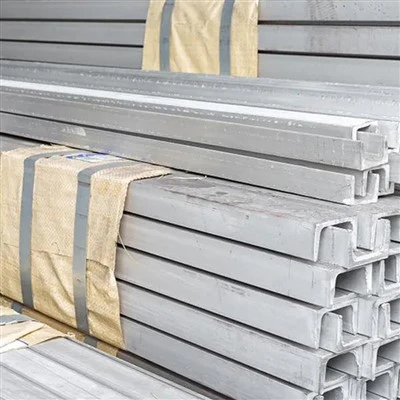
First off, let’s clear up what we’re actually talking about when we say “stainless steel jewelry.” It’s not that it never gets rusty—nothing metal does, honestly. It’s an alloy, mostly iron with chromium (usually 10-20% for jewelry-grade stuff), plus other bits like nickel, manganese, or molybdenum depending on the grade. The key here is that chromium forms a super thin, invisible layer on the surface when it’s exposed to air or water. That layer acts like a shield—if it gets scratched a tiny bit, it immediately re-forms, so rust and corrosion can’t take hold. Compare that to, say, sterling silver, which tarnishes when it reacts with sulfur in the air or food, or plated brass that peels off after a few weeks of wear.
I see people online panicking about nickel in stainless steel all the time, so let’s address that elephant in the room. A lot of cheaper metal jewelry uses high-nickel alloys that cause skin irritation—redness, rashes, that annoying itchy feeling. But here’s the thing: not all stainless steel is created equal. Jewelry-grade stainless steel is almost always 316L, which is low-nickel (usually under 10%) and even has a fancy name—“surgical stainless steel.” Why’s it called that? It’s the same stuff they use for stitches, surgical tools, and even some hip replacements because it’s non-reactive with human skin. I’ve had customers with super sensitive skin (like one gal who breaks out in hives from regular silver) wear 316L stainless steel necklaces daily for over a year and never had a single issue. The only time nickel might bug someone is if it’s a lower grade, like 304, which has a bit more nickel. But unless someone’s buying junk from a random street vendor, 316L is the standard for quality stainless steel jewelry, and it’s way less likely to cause reactions than most of the cheaper metals out there.
Now, let’s get to the most practical part: durability. If you’re the type who takes off your jewelry every time you wash your hands, workout, or cook, sure, a delicate gold chain is fine—but most of us aren’t that disciplined. I’ve seen people wear their stainless steel rings swimming, hiking, even doing construction work (yes, really, one guy came back saying his ring still looked new after a year of fixing fences). It’s way harder than silver, gold, or platinum—so hard, in fact, that it’s scratch-resistant, not scratch-proof (big difference). You can’t scuff it with your keys or a regular paperclip, which is why it’s perfect for everyday pieces like initial necklaces, stackable rings, or watch bands that you wear 24/7. Compare that to gold, which is a soft metal—even 14k gold can get dented if you squeeze it too hard, and sterling silver bends super easily. I once had a small boutique client who switched all their best-selling rings to stainless steel because they were losing money on returns from people bending their silver rings just trying to put them on.
Wait, but what about style? I know a lot of people roll their eyes and think stainless steel is just that boring, cold-looking metal you find in hardware stores. Nope—modern stainless steel jewelry comes in all kinds of finishes. You can get it polished to a mirror shine, matte, brushed, even black (we use PVD coating, which is way more durable than regular plating, so it won’t flake off after a few weeks of wear). Some people even mix it with other materials, like wood, leather, or gemstones, so it doesn’t have to look clinical. I’ve seen tiny dainty stainless steel stud earrings, bold statement cuffs, even fancy engagement rings that look exactly like platinum, cost a fraction of the price. For someone who likes sleek, minimalist style, it’s perfect, and for people who want something that stands out, you can get it engraved, inlaid, or coated to match any vibe.
Price point is another huge one. Let’s be real—high-quality jewelry isn’t cheap. A solid gold necklace might run $500+, a platinum ring even more. Stainless steel jewelry? You can get a basic pair of stud earrings for under $20, a nice pendant for $30-$50, and even a heavy, well-made ring for under $100. That’s not cheap-looking crap, either—316L stainless steel is durable enough to last for decades, so if you’re buying something everyday, you’re not shelling out hundreds of dollars only to scratch it or lose it. I had a customer come to me last year who bought a stainless steel watch for her husband’s birthday—he works in IT, wears it every single day, even to his daughter’s soccer games, and it’s still perfect, 3 years later. She told me she spent $80 on it, and the last watch she bought him was $300 gold that he scratched in 2 months. That’s the kind of value people don’t talk about enough.
But hold on—this isn’t all sunshine and rainbows. Stainless steel isn’t for everyone, and it does have downsides. First, it’s heavy. Way heavier than gold or silver, because it’s a denser metal. If you hate the feeling of something bulky around your neck or on your finger, it might not be your pick. Second, if you get a cheap finish (not PVD coated), it can scratch—even if it’s more scratch-resistant than other metals, if you drag it against concrete, it’ll leave a mark. Third, while it’s non-tarnishing, it’s not completely maintenance-free. If you wear it a lot, it can get smudged with oil from your skin or lotion, so you might need to polish it once in a while with a soft cloth to get it shiny again. It’s not a big deal, but it’s something to keep in mind.
Another thing a lot of people miss: resale value. Unlike gold or silver, stainless steel doesn’t hold its value at all. If you try to sell a stainless steel necklace, you’ll be hard-pressed to get more than a few bucks for it, because it’s not a precious metal. That’s why it’s great for everyday wear, but if you’re buying a piece as an investment (like an engagement ring, with the idea of passing it down to your kids), it’s not the best choice. But let’s be real—most of us aren’t buying jewelry to pass down. We’re buying it to wear every day, to match our outfits, to feel good when we put it on. For that, resale value barely matters.
As someone who’s been in the stainless steel jewelry game for years, I’ve heard every complaint there is. People say it looks cheap, but that’s only if you’re buying the $5 piece from the gas station. I’ve had designers come to me to make custom stainless steel pieces for their high-end lines, because they can get a sleek, polished look that doesn’t cost a fortune. People say it irritates skin, but that’s almost always the lower-grade 304 stuff, not the surgical 316L we supply. I had a guy who works in a salon with super harsh cleaning chemicals wear my 316L stainless steel wristband for 6 months, and it still looked brand new, no discoloration at all.
Wait, also—what about if you lose it? I’ve had more than one customer come back to me and say they lost a silver ring at the beach, but their stainless steel one stayed on because it’s heavier, doesn’t slide around as much. Or that their stainless steel necklace didn’t turn green when they got caught in the rain, which is something that happens all the time with plated jewelry. That’s the kind of small, annoying problem stainless steel solves.
So, to circle back to the original question: Is stainless steel good for jewelry? The answer is, it depends on what you’re looking for, but for most people, it’s one of the best options out there. If you want something durable, affordable, low-maintenance, and less likely to irritate your skin, then absolutely. If you want something that has high resale value, a super lightweight feel, or a traditional, yellow gold look, then maybe not—go for gold or silver instead.
At the end of the day, I don’t want to pressure anyone into buying anything. I’ve seen people love their stainless steel pieces for years, and I’ve seen people who tried it and hated it because it was too heavy for their taste. But if you’re tired of buying cheap jewelry that breaks after a month, or paying a fortune for something you have to baby, give stainless steel a shot.
If you’re a boutique owner looking to stock quality pieces, or someone who wants to pick up a custom piece for yourself, hit me up—we work with everyone from small local shops to individual customers, and we make sure all our jewelry is 316L surgical grade, so you know it’s safe and built to last. No flimsy stuff, no nickel-filled junk, just solid stainless steel that works as hard as you do.
Stainless Steel Coil Ref:
- ASM International. (2005). Stainless Steel: Properties, Processing, and Applications. ASM International.
- International Organization for Standardization. (2017). ISO 10271:2017, Dentistry – Metallic materials for dental restorations.
- Jewelry Industry Council. (2020). "Consumer Guide to Metal Jewelry Materials and Care". Jewelry Industry Council of America.
- Occupational Safety and Health Administration. (2018). "Materials Used in Medical Devices and Surgical Implants". U.S. Department of Labor.
Wuxi Jin Ming Jian De Industry & Trade Co., Ltd.
Wuxi Jin Ming Jian De Industry & Trade Co., Ltd. is one of the most professional stainless steel manufacturers and suppliers in China, also supports customized service. With abundant experience, we warmly welcome you to wholesale CE approved stainless steel in stock here from our factory. If you have any enquiry about quotation, please feel free to email us.
Address: 2102-2105, Yuexing Building, Guangnan Road, Liangxi District, Wuxi City, Jiangsu Province, China.
E-mail: info@wxjmjdss.com
WebSite: https://www.jmjdsteelexp.com/
