Hey everyone,
If you’re like me, you probably don’t think too much about carrier tape—until you’re knee-deep in sourcing for electronics components, smt assembly, or even medical device parts. For years, I’ve been working as a paper carrier tape supplier, and let’s be real: I get so many questions from clients asking, “Is there a better alternative to paper carrier tape?” And yeah, I get why. Paper tape has been the go-to for a lot of folks because it’s cheap, recyclable, and works for basic stuff like resistors or capacitors. But lately, with stricter environmental rules, more complex components, and headaches with static buildup, people are starting to look around. Paper Carrier Tape
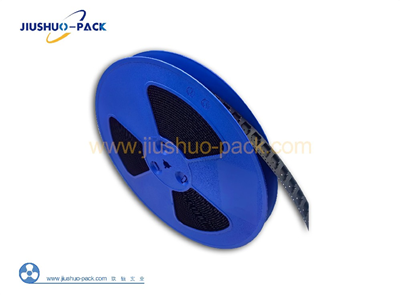
Today, I’m breaking down the real alternatives to paper carrier tape—no jargon, no sales pitch (just straight talk from someone who’s actually in the business). I’ll cover what each option is, the pros and cons, and when it makes sense to pick one over paper. And don’t worry, I’m not here to bash paper tape. It’s still solid for a lot of use cases. But knowing the alternatives helps you make the right call for your operation.
First, let’s start with why people are ditching paper tape sometimes. Paper carrier tape is usually made from kraft paper, coated thin with a polymer to hold its shape, and has pockets punched out for components. The big wins are it’s recyclable, biodegradable if it’s uncoated, and way cheaper than most other options. But the downsides? Static electricity is a huge one. Paper is an insulator, so it doesn’t dissipate static—meaning if you’re working with ESD-sensitive parts like semiconductors, that static can fry components mid-assembly, costing you thousands in rejects. Also, paper can get warped in humid environments, making it hard to feed through SMT machines, which leads to downtime. And while coated paper is better, the coating can peel or leave residue on components during reeling.
Okay, so what’s actually out there as a replacement? Let’s go through each one, one by one.
- Plastic Carrier Tape (ESD and Non-ESD Grade)
This is the most common alternative, full stop. Plastic carrier tape is made from materials like PVC, PET, or polypropylene, and it’s available in both static-dissipative (ESD) and non-ESD grades. ESD-grade plastic is treated to bleed off static, so it’s perfect for microchips, ICs, or sensors that can’t handle even a tiny static shock. Non-ESD plastic works for basic parts where static isn’t a risk.
Pros first: Plastic is way more durable than paper. It doesn’t warp in humidity, so it feeds consistently through automated SMT lines—no more jamming machines because a paper pocket bent. ESD-grade plastic eliminates that whole static problem, which is a lifesaver for high-precision electronics. Also, plastic pockets can be molded to fit super-specific component shapes, even tiny, irregular ones that paper can’t punch cleanly. That’s a big win for newer tech like wearables or IoT devices, where parts are getting smaller by the month.
Cons: Plastic is not recyclable in most standard programs, right? Yeah, that’s the elephant in the room. Even if it’s technically recyclable, a lot of waste management facilities don’t take mixed plastic tapes, so a lot of it ends up in landfills. It’s also way more expensive than paper—like 2-3x the cost, depending on the grade. And some low-quality plastic tapes can leach chemicals if they’re not food-grade (though that’s rarely an issue for electronics, but good to note).
When to pick this over paper: If you’re handling ESD-sensitive parts, running high-volume SMT lines (downtime costs way more than the extra plastic expense), or working with irregular component shapes. I’ve had a lot of clients switch to ESD plastic when they started assembling smart watches—tiny semiconductors that would get destroyed by paper’s static. It saved them more in rejects than they paid for the tape.
- Biodegradable Polymer Carrier Tape
This is the middle ground folks have been hyping up lately, and it’s exactly what it sounds like: plastic made from plant-based materials (corn starch, sugarcane) instead of fossil fuels. There are also versions that are compostable in industrial facilities, so they break down without leaving microplastics. Some even have static-dissipative treatments, so they check the ESD box too.
Pros: It fixes the plastic’s environmental problem, that’s the big one. A lot of countries (EU, parts of the US) are putting taxes on traditional plastic packaging, so biodegradable tape avoids those costs. It’s also durable like regular plastic, so same consistent feeding as non-ESD plastic. And since it’s often made from recycled plant waste, the carbon footprint is way lower than fossil plastic. A lot of my sustainability-focused clients love this one because it lets them hit their green goals without ditching the performance of plastic.
Cons: It’s still more expensive than paper, and sometimes a little pricier than regular fossil plastic. Also, industrial compostability is key—if a lot of people just toss it in a home compost pile, it might not break down properly, and some variants can have higher moisture sensitivity than regular plastic. I’ve heard of some clients having minor warping issues if they store it in a super humid warehouse. Another con: not all manufacturers have standardized sizes, so you might have to adjust your reels or machines if you switch from paper to biodegradable tape.
When to pick this over paper: If your company has a formal sustainability policy, is targeting green certifications, or needs ESD protection but can’t justify the full fossil plastic cost. I’ve worked with a few medical device companies that switched to this because they have to meet strict FDA environmental guidelines. It’s a happy middle between paper’s eco-friendliness and plastic’s performance.
- Metal Carrier Tape (Thin Aluminum or Stainless Steel)
Wait, metal carrier tape? Yeah, it’s a thing, usually used for really high-stakes, extreme use cases. It’s thin-gauge aluminum or stainless steel, sometimes with a coating to prevent corrosion, and it’s fully static-dissipative (even conductive, if needed). You’ll almost never see it for basic parts—this is for aerospace, defense, or high-precision semiconductor manufacturing.
Pros: Metal is indestructible. No warping, no static, no tearing. It can handle extreme temperatures (like soldering ovens that hit 250C+), so it’s perfect for parts that go through tough reflow processes. It’s also reusable, if you clean it properly—some aerospace clients will run the same metal tape multiple times for high-value components. And since it’s conductive, it eliminates every single static-related risk, which is non-negotiable for mission-critical parts.
Cons: Oh, the cost. It’s like 10x more expensive than paper, no joke. It’s heavy too, so shipping and handling costs go up. And it’s way less flexible—you can’t punch tiny pockets as easily as plastic, so it’s only for large, stable components. Most of the time, it’s not worth it for regular electronics, but for aerospace or defense, the risk of a failed component is way higher than the cost of the tape.
When to pick this over paper: Only if you’re working on mission-critical parts (satellites, military electronics, high-end semiconductors) where even a 0.1% failure rate is too much. I’ve only had a handful of clients ask about metal tape, and all of them were defense contractors. For 99% of businesses, this is way overkill.
- Woven Fabric Carrier Tape
This is the wild card, and it’s been gaining traction lately for flexible electronics. It’s made from polyester or nylon woven fabric, often coated to hold shape, and it’s super flexible—perfect for bendable circuit boards, wearable tech, or parts that need to move. A lot of it is also ESD-treated, so it protects sensitive components.
Pros: It’s flexible, so it works with parts that aren’t flat—like curved sensors in fitness trackers. It’s way more durable than paper, and some variants are washable, which is a big plus for medical wearables that get sanitized. It’s also recyclable in most fabric programs, so it’s a good eco option for flexible parts.
Cons: It’s not great for high-volume SMT lines. The woven texture can catch on automated machines if the settings aren’t adjusted, leading to jams. It’s also not as precise as plastic for tiny pockets, so it’s only for slightly larger flexible components. And it’s pricier than paper, though cheaper than metal or ESD plastic.
When to pick this over paper: If you’re making flexible electronics—wearables, foldable displays, or medical patches. I’ve had a couple startup clients building smart watches with bendable sensors switch to woven tape, and it’s worked really well for them.
Now, let’s talk about what I tell my own clients (since I’m a paper carrier tape supplier, duh). Paper tape isn’t dead. It’s still the best choice for: low-volume runs, basic components (resistors, capacitors), budget-sensitive projects, and applications where static isn’t a major risk. It’s cheap, easy to source, and you don’t have to adjust your machines. That said, if you’re growing, or moving into parts that need ESD protection, or have sustainability goals, it’s worth testing one of the alternatives.
Wait, a quick thing I always remind people: don’t just jump into a new tape without testing. A lot of clients will order a big batch of plastic tape, only to find it warps in their warehouse humidity, or the pocket size doesn’t fit their components. Ask for sample rolls first—most suppliers (including me) will send free samples to test with your SMT machine and parts. That’s a no-brainer.
Also, let’s clear up a myth: a lot of people say paper is the most eco option, but uncoated paper is, sure. Coated paper? It’s not recyclable in most places, same as regular plastic. The biodegradable polymer tape is actually better for the planet if you’re using coated paper now. That’s a big point I see missed a lot—don’t assume paper is automatically the green choice without checking its coating.
At the end of the day, the right alternative to paper carrier tape depends on your specific needs. Are you running high-volume SMT with ESD parts? Go for ESD plastic. Are you hitting green targets? Biodegradable polymer. Are you making flexible wearables? Woven fabric. For most small to mid-sized electronics assemblers, though, paper tape is still solid—no need to fix what isn’t broken.
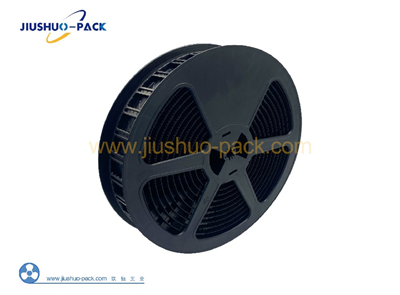
If you’re testing alternatives and need samples, or want to stick with paper for your current run but have questions about upgrading down the line, feel free to reach out. I’ve helped hundreds of clients figure out the right tape for their operation, and I’m always happy to chat through what works best.
Plastic Reel References
- International Organization for Standardization (ISO) 16232: Road vehicles – Cleanliness of components used in fluid systems
- IPC-461: Performance Specification for Printed Boards
- Sustainable Packaging Coalition: Compostable Packaging Materials Report (2022)
- Electronics Industry Environmental Design Initiative (EPEAT): Electronics Packaging Guidelines (2023)
Dongguan Jiushuo Industrial Co., Ltd.
As one of the most professional paper carrier tape manufacturers and suppliers in China, we also support customized service. Please feel free to buy high quality paper carrier tape made in China here from our factory. Contact us for more details.
Address: 11th Floor, Building 2, Chuangfu Center, Chashan Town, Dongguan City, Guangdong Province, China
E-mail: sales06@zaidaiw.com
WebSite: https://www.carriertape-pack.com/
