As a long-time supplier of nitrophosphate series products, I’ve spent over a decade learning that the biggest risk in this industry rarely happens at the production plant—it happens when a truck is idling on a remote highway, or when a pallet is being unloaded at a farm supply warehouse. Nitrophosphates are versatile, essential fertilizers, but their composition (a mix of ammonium nitrate, phosphates, and minor additives) means they require specific handling steps to keep everyone safe. Over the years, I’ve turned our team’s on-the-ground experience into a clear, practical guide for anyone transporting these products, whether you’re a logistics manager, a farm co-op coordinator, or a third-party carrier. I’m sharing this not just to follow industry rules, but because I’ve seen what happens when those rules are skipped: a delayed shipment, a ruined load, or even a preventable safety incident. Nitrophosphate Series Products
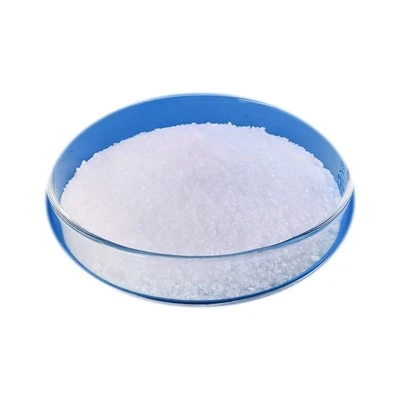
First, let’s start with a detail many people overlook: knowing exactly what’s in the nitrophosphate load you’re moving. Our nitrophosphate series products aren’t one-size-fits-all. We produce two main grades for different uses: one for broad-acre row crops, which has a higher ammonium nitrate content (around 28% by weight) to support nitrogen needs for corn and soybeans, and a specialty grade for high-value vegetables, which has a lower ammonium nitrate content (15%) and extra micronutrients like zinc. The hazards shift with that ratio: the higher ammonium nitrate grade is more sensitive to friction and heat, while the specialty grade can still react if exposed to strong acids or heavy metals. That’s why before any shipment leaves our warehouse, we give every pallet a customized safety data sheet (SDS) that lists the exact grade, hazard classification, and emergency response steps specific to that load. I once worked with a carrier who mixed up two shipments: they loaded a high-nitrogen nitrophosphate grade with a pallet of dry lime, which reacted to create a noxious gas that forced a road closure for three hours. That mistake was entirely avoidable—they just didn’t verify the SDS for the actual load in their truck.
Next, pre-transport packaging and securing the load. Nitrophosphates are hygroscopic, meaning they absorb moisture from the air, which can make them cake, increase friction, and raise the risk of heat buildup during transport. That’s why all our bulk shipments (whether in 50-pound bags or super sacks) come sealed in polypropylene liners with a moisture-barrier coating, and any bulk truck loads we prepare are covered with a waterproof, UV-stabilized tarp that’s secured with heavy-duty bungee cords and side straps. But packaging isn’t the only factor here: securing the load is critical, especially for flatbed trucks or open trailers. We’ve started including load-securement instructions with every shipment, specifying that pallets of nitrophosphate should be blocked at both ends with wooden beams and tied down with at least two straps per pallet, spaced evenly along the load to prevent shifting. I’ve seen a flatbed truck lose a stack of nitrophosphate bags on a rural highway in Iowa when the straps were only fastened to the top of the load; the bags shifted during a sudden stop, and the whole stack slid off. That incident not only cost the carrier thousands in cargo loss but also created a hazard for other drivers who had to swerve to avoid the debris. For intermodal shipments, like moving nitrophosphate via rail, we also require that each railcar is inspected for rust or structural damage before loading, as even a small hole can let moisture in and compromise the packaging.
Then, during transport: monitoring conditions and route planning. Temperature and time are two of the biggest variables here. Nitrophosphates can start to break down if exposed to sustained temperatures above 120°F, which is a common risk in summer transport through parts of the Southwestern U.S. That’s why we advise carriers to avoid midday travel during peak summer months if possible, or to use refrigerated trailer units for high-nitrogen grade shipments when temperatures are forecast to hit 100°F or higher. We also require any carrier transporting our nitrophosphate products to keep a load log that includes daily temperature readings inside the trailer, plus any stops longer than 2 hours. Those logs aren’t just for compliance—they help us catch issues before they become problems. Last year, a carrier was transporting a load to California, and their log showed the trailer temperature hit 125°F during a 4-hour stop at a rest area in Arizona. When they unloaded the shipment, we noticed the bags had started to cake slightly, and we were able to work with the farmer to spread the affected fertilizer before it lost its effectiveness. Had we not tracked the temperature, that load would have been rejected, costing both the carrier and the farmer time and money. Route planning is also part of this: we ask carriers to avoid routing through areas with heavy wildfire activity during dry seasons, because nitrophosphate’s ammonium nitrate content can fuel a fire, or react with fire retardants. We also avoid routes that take narrow, steep mountain passes, where sudden stops could shift the load, unless the carrier has experience transporting heavy, non-bulk cargo on those roads.
What about handling during intermediate stops and cross-docking? Many people think transport only starts when the truck leaves the warehouse and ends when it arrives at the delivery point, but intermediate stops—like when a shipment is cross-docked at a third-party warehouse, or sits at a port during international transport—are high-risk. Our team requires that all intermediate storage areas for nitrophosphate products are dry, well-ventilated, and free of any flammable materials or strong acids. We also tell carriers not to leave nitrophosphate loads unattended in enclosed spaces, because the moisture absorbed by the fertilizer can release small amounts of ammonia over time, which is dangerous in unventilated areas. Last year, a port in Louisiana left a stack of nitrophosphate super sacks unattended in a closed warehouse for 12 hours; the ammonia buildup forced workers to evacuate, and the shipment had to be inspected for contamination. To prevent that, we provide every carrier with a portable ammonia detector that they can use to test the air in any stop location before leaving the load unattended. For cross-docking, we also require that nitrophosphate products are stored away from other cargo, especially organic materials like compost or manure, because those can raise the temperature around the nitrophosphate and increase the risk of breakdown.
Emergency preparedness: both for carriers and for our team as suppliers. No matter how careful you are, accidents can happen, so having a clear emergency plan is non-negotiable. First, every driver or logistics coordinator transporting our products gets a hands-on safety briefing before their first shipment, which covers what to do in case of a spill, a fire, or a load shift. For small spills (less than 50 pounds), we instruct them to use non-sparking shovels and absorbent materials like sand or vermiculite—never use water, because nitrophosphate dissolves in water and can create a run-off that contaminates soil or waterways. For larger spills, we provide a 24/7 emergency hotline, and we coordinate with local hazardous materials teams to respond quickly. For fires, it’s important to note that nitrophosphate fires shouldn’t be put out with water either; water can spread the burning fertilizer, making the fire worse. Instead, the goal is to contain the fire with foam or dry chemical extinguishers, and to move the load away from other flammable materials if possible. We also make sure our drivers have the proper personal protective equipment (PPE) on hand: nitrile gloves, safety goggles, and dust masks, because inhaling the fine fertilizer dust can irritate the lungs. As a supplier, our team also keeps track of every shipment’s route and ETA, so if there’s a delay, we can reach out to the carrier to check in and make sure there’s no issue. During a 2022 ice storm in the Midwest, a carrier’s shipment was stuck on a highway for 18 hours; we were able to send a team to meet them with emergency supplies, including heated blankets and extra PPE, because we were monitoring their shipment’s status.
Finally, regulatory compliance and documentation. This is an often-mundane step, but it’s critical for safety and avoiding legal issues. Our nitrophosphate products are classified as Division 5.1 oxidizing substances by the U.S. Department of Transportation (DOT), which means they can increase the flammability of other materials if they come into contact. That means all shipping papers—from bills of lading to SDS documents—must clearly mark the hazard class and proper shipping name, so every person handling the load (drivers, warehouse workers, port staff) is aware of the risks. We also require carriers to have the proper insurance coverage for hazardous materials transport, which is separate from standard cargo insurance. I’ve seen a small carrier go out of business after an accident because they didn’t have the right insurance; they were held liable for the cost of cleaning up a spill, which was way more than their regular insurance covered. We make sure all our partner carriers provide proof of that insurance before they start working with us, and we update our documentation process every year to align with new DOT and Occupational Safety and Health Administration (OSHA) rules.

At the end of the day, transporting nitrophosphate series products safely is about attention to detail, not complicated new rules. It’s knowing exactly what grade you’re moving, securing the load properly, monitoring temperature during transit, planning routes that avoid unnecessary risks, and having a plan for when things go wrong. As a supplier, we don’t just sell nitrophosphate products—we sell the peace of mind that comes with knowing those products will reach farmers and distributors without harming anyone, or damaging property. If you’re a logistics team looking for a reliable supplier of nitrophosphate series products, or if you have questions about our safety protocols, I’d encourage you to reach out to our team to discuss your needs and learn how we can work together to keep shipments safe.
Glycoluril Resin References
- U.S. Department of Transportation. (2021). Hazardous Materials Regulations: Oxidizing Substances. Federal Motor Carrier Safety Administration.
- International Fertilizer Association. (2022). Safe Handling and Transport of Nitrogen-Phosphate Fertilizer Blends. IFA Technical Bulletin.
- Occupational Safety and Health Administration. (2020). Chemical Hazard Communication for Fertilizer Products. OSHA 3456-12R.
- National Agri-Marketing Association. (2021). Logistics Safety Guidelines for Agricultural Fertilizers. NAMA Supply Chain Report.
Yuncheng Tianhua Chemical Co., Ltd.
As one of the most professional nitrophosphate series products manufacturers and suppliers in China, our products have good reputation in the market. Please rest assured to buy bulk nitrophosphate series products in stock here and get quotation from our factory. For price consultation, contact us.
Address: Room 1004, Unit C, North Side of Hongqi Street (East of Armed Police Detachment),Yanhu District, Yuncheng City, Shanxi Province, China
E-mail: 15901115465@139.com
WebSite: https://www.ycthchemical.com/
