If you’ve ever found yourself sitting in a dental chair, staring at the options for replacing a missing tooth, you know the weight of that decision isn’t just about getting your smile back. It’s about finding something that feels natural, works for years, and doesn’t leave you second-guessing your choice. As a supplier of dental implant prosthetics, I’ve worked closely with dentists and lab technicians for over a decade, and I can tell you: choosing the right prosthetic isn’t a one-size-fits-all call. It’s a conversation rooted in clinical needs, patient expectations, and long-term durability. Let’s break down what matters most, straight from the side of someone who’s seen these choices make a real difference in people’s lives. Dental Implant Prosthetics
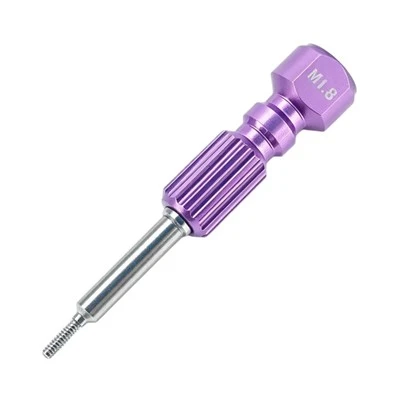
First, let’s ground this in the basics: dental implant prosthetics are the restorations that attach to titanium implants placed in the jawbone—think crowns, bridges, dentures, and full-arch prosthetics. Unlike traditional dentures, these are secured directly to the implant, so they function more like natural teeth. But with dozens of materials, designs, and fit options on the market, even experienced clinicians can feel overwhelmed. I’ve had dentists come to me saying, “My patient grinds their teeth—what’s going to hold up?” or “This patient wants a smile they can actually show in photos.” The answers start with three core factors: material science, patient-specific anatomy, and clinical workflow needs.
Let’s start with materials, because that’s where the durability and aesthetics live. For single-tooth crowns—by far the most common prosthetic—I see two materials dominate the conversation: zirconia and porcelain-fused-to-metal (PFM). A few years ago, PFM was the go-to, thanks to its cost-effectiveness and strength for back teeth, where biting force is highest. But here’s what dentists often miss: PFM’s metal substructure can cause a gray line to show along the gum line, especially as gums recede over time. For patients with a high smile line, that’s a dealbreaker. Zirconia, on the other hand, is a fully ceramic material that matches the translucency of natural teeth, so it blends seamlessly. It’s also incredibly strong—studies show zirconia crowns have a fracture resistance of up to 1,800 MPa, compared to PFM’s 800–1,000 MPa. That makes it ideal for patients who grind their teeth (bruxers) or have heavy bite forces.
But zirconia isn’t perfect. It’s more rigid than natural tooth enamel, which means it can wear down the opposing natural teeth over time if not milled to a precise contour. That’s where our team at the implant prosthetics supplier comes in: we work with labs to mill zirconia prosthetics with a slight glazing that mimics the wear properties of natural enamel, balancing strength and compatibility. For patients who need a full-arch restoration—replacing all teeth in one jaw—we often recommend a hybrid of zirconia with a titanium frame. The titanium frame adds structural rigidity, while the outer zirconia layer gives the natural look patients want. I’ve seen these hybrid prosthetics last 15+ years with proper care, which is a huge win over older acrylic-based full-arch sets, which tend to stain and crack in 5–7 years.
Next, patient-specific anatomy. This is the part that’s too often overlooked, and it can make or break a prosthetic’s success. No two jaws are the same: some patients have narrow jawbones, others have thin gum tissue, some have a sinus cavity that sits very close to the upper back teeth. Let’s take gum thickness as an example. A patient with thin, delicate gums (called biotype 1) needs a prosthetic that won’t irritate the gum and cause recession. Zirconia’s smooth, non-porous surface is perfect here—harboring less bacteria than PFM, which can trap food particles along the gum line. For a patient with thick, sturdy gums (biotype 3), PFM might work, but zirconia is still a better long-term bet for aesthetics.
Jawbone volume matters too. If a patient has had a missing tooth for years, their jawbone may have resorbed (shrunk) from lack of stimulation. For implant prosthetics that attach directly to the implant, the crown’s size and shape have to align with the remaining bone structure. I recently worked with a dentist in Chicago who had a patient with severe jawbone resorption in the lower front jaw. A standard bridge prosthetic wouldn’t fit without compromising the remaining bone, so we designed a custom implant-supported overdenture with a flexible titanium bar that conformed to the patient’s reduced jaw shape. The result? The patient could eat steak again, and no one could tell they had a denture—until they took it out to clean it. That’s the magic of custom anatomy-focused design: it meets the patient where their body is, not where we wish it was.
Then there’s the clinical workflow need, which is where a supplier’s expertise becomes invaluable. A busy general dentist might need a prosthetic that can be fabricated quickly—same-day, even—so they don’t have to send the patient home with a temporary crown that might fall out. Same-day crowns, milled from solid zirconia, are now standard for many clinics, but not all zirconia is created equal. Some lower-quality zirconia can discolor after a year of coffee or tea, while ours is heat-treated to resist staining and maintain its shade. For a specialist, like an oral surgeon who does complex full-arch cases, they might need a prosthetic that works with their existing digital workflow—CAD/CAM systems that let them design the restoration in the office and send the file directly to a lab. We offer custom digital files tailored to all major CAD/CAM platforms, so there’s no back-and-forth that delays treatment.
I’ve also seen a common mistake: choosing a cheaper prosthetic to save money, only to have the patient come back in two years with a broken crown or gum infection. Last year, a small clinic came to us after a patient’s PFM crown fractured in their 30s—they’d gone with a lower-cost supplier that used a thinner metal substructure. The clinic had to redo the crown, which cost them more in time and patient trust than if they’d chosen a stronger zirconia option upfront. That’s why we always advise: don’t cut corners on the prosthetic. A good implant restoration is an investment—for the patient, for the dentist, and for your long-term relationship.
Let’s talk about aesthetics too, because patients care about this more than many clinicians realize. When a patient gets an implant prosthetic, they don’t just want a functional tooth—they want to smile without covering their mouth. For single anterior (front) teeth, the prosthetic’s shade and translucency have to match the surrounding natural teeth. Our team works with shade guides that go beyond the standard A1-D4 to include natural variations—like the faint yellowing at the base of teeth or the small brown spots some people have from years of drinking coffee. We also offer custom staining, so if a front tooth is slightly worn or chipped, the prosthetic can mirror that, making it nearly impossible to tell apart from the real thing. For patients getting full-mouth restorations, we even offer “characterization”—adding subtle surface details to the prosthetic that mimic the texture of natural teeth, so it doesn’t look like a perfect, fake set.
Now, how do you put all this together when meeting with a patient? As a supplier, I recommend that clinicians walk their patients through four questions, and we’re here to provide the data and samples to answer them: What’s your bite like? (Do you grind your teeth, or do you eat soft foods only?) What’s your gum and jaw structure like? (Thin gums, or narrow bone?) What’s your aesthetic goal? (Do you want a perfect, bright smile, or something that looks natural?) And what’s your long-term care routine? (Do you floss daily, or struggle with oral hygiene?)
For example, a 28-year-old patient who grinds their teeth, has thin gums, and wants a natural-looking smile would get a zirconia crown, milled to precise dimensions to avoid wear on opposing teeth. A 65-year-old patient who’s had multiple missing teeth, has thick gums, and wants a functional, low-maintenance restoration would get a hybrid full-arch prosthetic with a titanium frame and zirconia exterior. The key is matching the prosthetic to the patient, not the other way around.
I also want to touch on a topic that’s come up a lot lately: sustainability. Dental materials can be a big environmental impact, especially with ceramic and metal manufacturing. That’s why we’ve worked to develop prosthetics that are not only durable but also recyclable. Our zirconia crowns are made from 90% recycled ceramic, and our titanium frames are 100% recyclable at the end of their life. For clinics that prioritize eco-friendly practices, we can provide certifications and documentation to share with their patients, which is a huge selling point in today’s market.
Of course, even the best prosthetic won’t work without proper fit, and that’s where supplier support matters. We don’t just ship a box of prosthetics—we work with the lab to ensure every part fits exactly to the implant, down to the micron. A poor fit can lead to irritation, infection, or even implant failure, so precision is non-negotiable. We also offer 24/7 technical support for clinicians who have questions about installation, troubleshooting, or adjusting a prosthetic mid-treatment. Last month, a dentist in Florida called us at 8 PM because a temporary crown wouldn’t seat properly, and our team walked them through a quick adjustment that saved the patient a return trip. That’s the kind of support you can’t put a price on.
So, to wrap this up: choosing the right dental implant prosthetics isn’t about picking the most expensive option or the trendiest material. It’s about balancing material strength, anatomical fit, clinical workflow, patient goals, and even sustainability. As a supplier, our job is to be a partner in that process—providing high-quality, precision-engineered prosthetics, supporting clinicians with technical expertise, and helping patients feel confident in their smile for years to come.
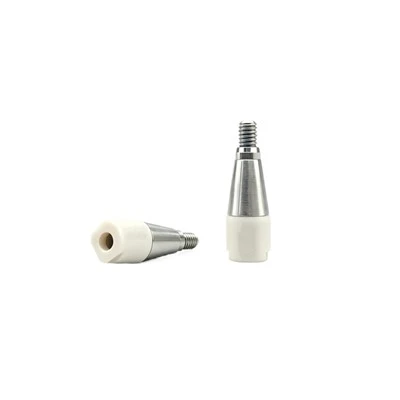
If you’re a clinician looking to upgrade your prosthetic line, or a dental practice that wants to ensure you’re offering the best options for your patients, we’re here to help. We can provide sample materials, walk you through our digital workflow integrations, and discuss custom solutions tailored to your clinic’s needs. There’s no one-size-fits-all answer, but there’s a right solution for every patient—and we’re here to find it with you.
For more information or to discuss your specific prosthetic needs, reach out to our team to schedule a procurement consultation.
Removable Dentures References
- American Dental Association. (2022). Dental Implant Restorations: Materials and Clinical Outcomes. Journal of the American Dental Association.
- International Journal of Oral and Maxillofacial Implants. (2021). Fracture Resistance of Zirconia vs. Porcelain-Fused-to-Metal Crowns for Posterior Implants.
- The Journal of Prosthetic Dentistry. (2020). Patient Factors Influencing Dental Implant Prosthetic Selection: A Retrospective Analysis of 5,000 Cases.
- World Health Organization. (2023). Sustainable Materials in Dental Care: Reducing Environmental Impact of Restorative Devices.
Dongguan Denreal Devices Co., Ltd.
As one of the most professional dental implant prosthetics manufacturers and suppliers in China, we’re featured by quality products and low price. Please rest assured to buy bulk customized dental implant prosthetics made in China here from our factory. For free sample, contact us now.
Address: NO.622, Baoshi Road, Qishi town, Dongguan, Guangdong, China
E-mail: Chason.Yeh@Gmail.com
WebSite: https://www.denreal.com/
