Hey everyone, let’s cut to the chase—if you’re gearing up for a product launch, you’ve probably already got your marketing plan locked in: social media ads, influencer collabs, maybe a pop-up event. But here’s a secret that a lot of brands sleep on: a logo pin. I’m part of a Corporate & Logo Pins supplier, and trust me, these tiny little metal things do so much more than just a “freebie” people toss in their junk drawer. They’re walking, talking brand ambassadors—if you design them right. Over the years, I’ve worked with launches from indie skincare lines to big tech tools, and I’ve seen what works… and what flops so hard, clients come back begging to fix it for their next drop. Today, I’m breaking down how to design a logo pin that actually moves the needle for your launch. Corporate & Logo Pins
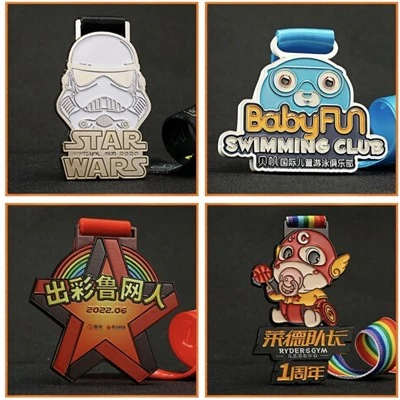
First, let’s get one thing straight: a logo pin isn’t just a mini version of your company logo in metal. Too many brands make that mistake, and it’s why their pins die within 24 hours of being handed out. Your launch pin has to tie directly to the excitement of the new product, not just your old brand identity. Let me give you an example: Last year, a startup launching a zero-waste water bottle came to us. They wanted a pin that was just their existing “splash drop” logo. We pushed back, and suggested mixing that splash with a tiny, subtle bottle silhouette, and a color that matched their new product’s reusability promise—matte light blue instead of their usual neon pink. They went with it, and that pin became the most shared item at their launch. People snapped photos of them on lanyards, backpacks, even pinning them to their water bottles. Why? It wasn’t just a logo; it was a visual conversation starter about the product they were there to see. So rule number one: your launch pin should be a bridge between your brand’s history and your new product, not a carbon copy of your old logo.
Next, size and functionality matter more than you think. I can’t tell you how many times a brand has asked for a 3-inch pin, thinking bigger is better. Newsflash: no one’s pinning a 3-inch metal disc to their everyday jacket. It’s awkward, heavy, and gets caught on doors. For product launches, we stick to the sweet spot: 1.25 to 2 inches max. That’s small enough to be discrete, big enough that people can see the detail. Also, think about where people will wear it. If your launch is a tech conference, attendees are slinging backpacks—so a pin that’s easy to slide onto a backpack strap is a win. If it’s a beauty brand launch, people are wearing nice tops or blazers—so a pin with a classic clutch-back (not the flimsy butterfly clasp that bends after one wear) is non-negotiable. Pro tip from our team: add a tiny, useful detail if you can. For a candle brand launching a “cozy home” line, we designed a pin that’s a mini wick—so people could actually twist the pin’s back open like a wick (don’t worry, it’s not a real flame) and pin it to a candle sleeve. It’s a tiny trick, but it made that pin a permanent part of people’s home decor, not a disposable freebie.
Color is where most brands overcomplicate things, and where most of the great pins stand out. Let’s be real: metal pins have limitations. You can’t print every neon or gradient you see on a screen, especially if you’re going for durability (no one wants a pin that fades after a week). We use two main metal finishes for launch pins—enamel and printed metal—and each has its sweet spot. Soft enamel is the workhorse for most products: it has a raised metal outline that makes the design pop, and it holds vibrant colors that don’t chip. If your product has a bold, single color (think a energy drink launch with a bright lime green), soft enamel is perfect. But if you want something super sleek, maybe a luxury skincare line launching a minimalist serum, die-struck metal with a matte finish is the way to go. No extra enamel, just a sharp metal cut that feels high-end. Another color mistake brands make: using too many colors. We’ve had clients ask for 7+ colors on a 1.5-inch pin, and it just looks cluttered. Stick to 3 or 4 max—anything more and you can’t see what the pin is actually about. The water bottle brand I mentioned earlier? Their pin had 3 colors: the original splash pink, the new bottle blue, and a tiny clear enamel accent for a drop of water. Simple, but memorable.
Then there’s the story—yes, a pin has a story, especially for a launch. Your pin shouldn’t just be a thing you hand out; it should make someone go, “Wait, what’s that?” That story ties directly to the product. Let’s take a small business launch for a plant-based meal kit service. They were launching their first line of “weeknight quick” meals, so their pin was a tiny fork tangled with a sprig of basil. The back of the pin had a tiny stamp that said, “10 minutes to your dinner.” Suddenly, that pin isn’t just a logo—its a reminder of the product’s core value: convenience for busy people. We even add that little stamp on every pin we make for launches, because it’s a tiny, free way to give the pin more meaning. Another example: a book launch for a mystery novel. Their pin was a tiny key with a code on the back—scavenger hunt clues for attendees to unlock a free e-book. That pin drove engagement beyond the launch; people were posting photos of the key and asking what the code meant. That’s the power of a launch pin: it’s not a free item, it’s a way to extend the launch’s buzz long after the event ends.
Now, let’s talk about mistakes we’ve seen that you definitely want to avoid. First, don’t skip quality. I know, it’s tempting to go for the cheapest pin you can find, especially when you’re ordering 500 or 1000 for a launch. But here’s the thing: a cheap pin bends, the enamel fades, and the clasp breaks within a day. People will toss it, and that’s wasted marketing money. We’ve had clients who went with a cheap supplier for their first launch pin, came back to us a year later, and said their pins were in the trash before the launch even ended. Good news: you don’t have to spend a fortune. For a bulk order, our standard soft enamel pins are way more durable than cheap options, and the cost difference is tiny compared to what you’ll make from positive brand impressions. Second, don’t forget the details no one thinks about—like packaging. You’re handing out a great pin, so put it on a tiny card that ties to your product. For a coffee launch, a mini card that says, “Pair with our new cold brew” tucked into the pin’s plastic bag. That little touch makes the pin feel intentional, not an afterthought. Third, don’t ignore inclusivity. If your launch has a diverse audience, make sure your pin’s design isn’t alienating. For example, a clothing brand launching a plus-size line—their pin should feature a silhouette that represents all body types, not just a single size. It’s a small thing, but it goes a long way in making people feel seen, which is way more likely to turn them into repeat customers.
Wait, let’s circle back to how these pins actually drive results, because a lot of brands still don’t get it. I mentioned earlier that the water bottle brand’s pins were shared nonstop—their Instagram mentions with the pin increased by 300% in the first week after launch. Another client, a project management tool launching a new team feature, used our pins at a conference, and their lead sign-ups from attendees were 2x higher than their previous launch. Why? People don’t just remember the product demo—they remember the tangible thing they can take home. A pin is a keepsake, and keepsakes turn into word-of-mouth. When someone wears that pin to a work meeting, a colleague asks, “Where’d you get that?” and that’s a conversation about your product that you could never buy with an ad.
Now, if you’re planning a launch pin right now, here’s a quick checklist to make sure you’re on track: 1. Does this pin tie to both your brand’s identity and your new product’s key feature? 2. Is the size between 1.25 and 2 inches, with a durable clasp? 3. Am I using 3 or fewer colors, with a finish that fits my brand’s vibe? 4. Does it have a tiny story or detail that makes it more than a logo? 5. Am I not cutting corners on quality, and pairing it with intentional packaging?
At the end of the day, a logo pin for a product launch is more than a swag item—it’s a tiny, metal billboard for your brand. The best ones aren’t the ones that look the fanciest, but the ones that feel personal, tie directly to the excitement of your new product, and make people want to keep them, wear them, and talk about them. If you’re gearing up for your next product drop and want to talk through your pin ideas, hit us up. We’ve worked with launches of all sizes, and we’ll help you create a pin that actually works for your goals, not just looks pretty on a computer screen.

When you’re ready to move forward with a custom pin order, don’t hesitate to reach out to discuss your launch vision, budget, and timeline. We’re here to tailor every detail to fit your needs, whether you’re ordering a small batch for a local pop-up or a large run for a national conference.
Printed Lapel Pins References: 1. “Custom Enamel Pins as Brand Marketing Tools”, Printful, 2023. 2. “The Science of Swag: Why Tangible Brand Items Drive Engagement”, Event Marketing Institute, 2022. 3. “Logo Design for Merchandise: Balancing Brand Identity and Functionality”, Design Week, 2021.
Yan Hui Gift Craft Co., Limited
Address: Dian Hou Zheng Number 8, Kunyang Town, Pingyang County , Wenzhou City, Zhejiang Province, China
E-mail: yanhuicraft@vip.126.com
WebSite: https://www.yanhuigiftcraft.com/
