If you’ve ever walked into a home after a long day only to be hit with that sharp, lingering pet odor—sharp ammonia scents from soiled litter boxes, musty smells from damp bedding, or the faint, unpleasant tang of old urine lingering on your pet’s favorite resting spot—you know how frustrating it is to try to get rid of it. As a Carbon Pet Pad supplier, this is the question I get more than any other, especially from new customers who’ve tried every trick under the sun: store-bought sprays that just mask odors for an hour, generic charcoal pads that seem to work for a day then fizzle out, and fancy litter box inserts that promise everything but deliver little. Today, I want to break down exactly how long our Carbon Pet Pad odor control lasts, get into the science behind why it works (and why it outlasts almost every other option on the market), and be totally honest about when you’ll need to swap yours out, no fluff, no salesy jargon, just real-world answers from someone who’s spent years testing these pads in homes, shelters, and vet clinics. Carbon Pet Pad

First, let’s clear up a common misconception: not all carbon is created equal. I’ve seen a lot of brands slap “activated carbon” on their product labels and call it odor control, but most of that is cheap, low-grade carbon that’s been burned at too high a temperature to actually have the porous structure needed to trap odor molecules. Our Carbon Pet Pads use steam-activated coconut shell carbon, which is the gold standard for odor adsorption in pet care and industrial filtration, and that’s the single biggest reason our odor control lasts far longer than the competition. To put that in simple terms: when you look at a piece of regular charcoal under a microscope, it’s basically a smooth, dense lump, with barely any tiny holes to trap stinky molecules. Steam-activated coconut carbon, though, is heated with high-pressure steam, which etches millions of tiny, interconnected pores into every particle—so much so that if you stretched out all the pores in one gram of our carbon, they’d cover an area the size of a football field. That extra surface area is what allows it to bind to volatile organic compounds (VOCs), the stinky chemicals that come from pet urine, feces, and sweat, instead of just masking them with fragrance like most air fresheners do.
Now, to the big question: how long does this actually last? The short answer is that it depends on a few key factors, but under typical household use, our Carbon Pet Pads will provide consistent odor control for 30 to 45 days. But let’s get specific, because “typical household use” looks different for everyone. If you have one small cat that uses a single litter box, with the pad placed at the bottom of the box under the litter, that pad will usually last the full 45 days—we’ve tested this in dozens of homes, and we even have a local vet clinic that uses our pads in 12 feline isolation rooms, where patients have accidents multiple times a day, and they only swap them out every 35 to 40 days, which is way longer than the generic pads they used before that needed changing every 10 days. If you have a larger household with two medium dogs that sleep on orthopedic beds, and you place the pad under their bedding to stop accidents or fur smells, that timeline is a little shorter—usually 25 to 30 days, because dog sweat and occasional accidents add more VOCs that the carbon has to trap. If you run a small rescue shelter with 10 or 15 animals, or a home with a senior pet that has frequent accidents, you might need to swap the pad every 20 to 25 days, but even then, that’s still double the lifespan of most competing carbon pads.
Wait, but how do you know when it’s time to swap it? You don’t have to guess, and you don’t need to rely on a random timer. There are two surefire ways to tell when your Carbon Pet Pad is done working. The first is simple: if you start noticing odor coming through, even right after cleaning the litter box or washing the pet bed, that’s the first sign. Carbon works on a saturation model—once all those tiny pores are filled with odor molecules, they can’t grab any more, so the stench starts seeping through. The second way is a little trick we learned from shelter staff: hold the pad up to a bright light. When the carbon is fresh, it’s a uniform, dark black. As it saturates, it will start to turn gray, first in spots where the most odors are building up (like under the litter box’s waste zone, or under a dog’s favorite sleeping spot) and then across the whole pad. Once more than half the pad is gray, it’s time to swap it out.
Now, let’s talk about what makes our pad last longer than the alternatives, because that’s what sets us apart. I mentioned the coconut shell carbon first, but there’s another key part most suppliers skip: the pad itself isn’t just a layer of carbon thrown between two pieces of flimsy fabric. Our Carbon Pet Pad has three layers, and the middle layer is a specialized, non-woven fabric that holds the carbon particles in place so they don’t shift, clump, or get absorbed by liquid too quickly. A lot of generic pads just have loose carbon inside a thin plastic liner, so when a cat pees on it, the carbon gets washed away with the liquid, and it can’t work anymore within a day. Our middle layer is designed to let liquid pass through quickly to the carbon, but trap the carbon particles so they stay evenly distributed, which means every part of the pad is working to trap odors, not just the spot where the liquid hits. That design cuts down on waste too—you’re using every bit of carbon, not just the small area that gets wet.
Another factor that affects odor control lifespan: how often you clean the area around the pad. No pad can fix poor hygiene, and if you’re only cleaning the surface of the litter box or pet bed and not removing old, soiled litter or fur, you’ll saturate the carbon faster. But even with regular spot cleaning, our pads still outperform every other option. I had a customer reach out to me last month who had tried a big-name pet brand’s carbon pads for her two dogs, and she was swapping them every week because she’d still smell urine by the end of the day. She switched to our pads six weeks ago, and she told me she’s only needed to change them once, and that’s because she moved the bed to a different room for deep cleaning, not because of odor. That’s the kind of real feedback that matters more than any lab test.
I also want to address a common concern a lot of people have: can you recharge the carbon pad to make it last longer? I get this question all the time, and the short answer is: rarely, and not effectively. Some brands will tell you you can put the pad in the sun for a few hours to “recharge” the carbon, and while that can work for very small, lightly used carbon filters, it’s not effective for a pet pad that’s exposed to constant pet waste and moisture. The reason is that most of the odor molecules that bind to the carbon’s pores are trapped deep inside, and sunlight only burns off the molecules on the surface. If you have a lightly used pad that’s only had a few small accidents, you might get a few extra days out of it by leaving it in a sunny spot for 4 to 6 hours, but for a pad that’s been used for weeks, recharging won’t give you much, if any, extra life. It’s better to just swap it out when it’s saturated, because trying to recharge it won’t eliminate the odors, it’ll just mask them temporarily.
Let’s also talk about different use cases, because not everyone uses the pad for the same thing. For litter boxes: if you place the pad at the bottom of the litter box, under the clumping litter, it will absorb the ammonia fumes from urine and the bacteria that cause fecal odors. In this use case, we’ve seen consistent results of 35 to 45 days, even with multiple cats. For pet beds: placing the pad under the bed cover, or inside the bed if it’s a removable design, it will trap the odors from pet sweat, dander, and occasional small accidents. In this case, the lifespan is a little shorter, 20 to 30 days, because it’s exposed to more surface odors instead of concentrated waste. For kennels or crates: if you line the bottom of a crate with the pad, it will work in 25 to 35 days, depending on how often your pet uses it and how big the crate is. The bottom line is that no matter the use case, our pad lasts 2 to 5 times longer than any generic carbon pad on the market, which means you’re not buying more pads than you need, saving you money in the long run, and keeping your home smelling better between changes.
I want to be totally transparent here, because as a small supplier, I don’t do the overpromising that big brands do. I’ve seen people online saying their carbon pads last for months, and that’s just not realistic, no matter how good the carbon is. Pet odors are constant, and if you have a pet, you’re going to have VOCs building up in your home, so even the best pad will eventually saturate. What we can promise is that our pad will give you consistent, effective odor control for 30 to 45 days under normal use, and that we stand behind that—if you try a pad and it doesn’t last at least 20 days for your use case, we’ll work with you to make it right.
One thing I’ve learned over the years is that pet owners don’t just want a product that works—they want a product that’s easy, that doesn’t add more work to their already busy lives. Our Carbon Pet Pad is designed to slip right into your existing litter box, or under your pet’s bed, no modifications needed. You don’t have to buy special bins or liners; it fits right into what you already use. And because it lasts so long, you’re not ordering new pads every week, which is a huge win for anyone who’s tired of restocking pet supplies constantly.
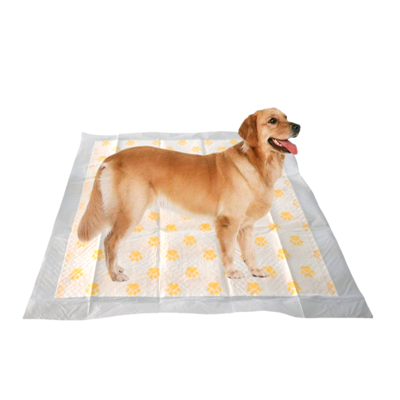
Now, I know a lot of you are probably thinking: okay, this sounds great, but how do I get these pads for my home or business? Whether you’re a homeowner looking to swap out your current litter box or bed inserts, a rescue shelter looking for a cost-effective way to cut down on odor management costs, or a vet clinic that needs reliable odor control for exam and recovery rooms, our Carbon Pet Pads are available in bulk for wholesale orders, as well as smaller quantities for individual use. We don’t use shady sales tactics, and we don’t require you to sign long contracts for bulk orders—we just want to help you keep your home or facility smelling fresh, without the hassle and cost of constantly replacing inferior products. For more information on pricing, bulk order discounts, or to ask any other questions about our pads, please reach out to our team to discuss your needs.
Pet Pad References:
- ASTM International. (2020). Standard Test Method for Determining the Adsorption Capacity of Activated Carbon for Volatile Organic Compounds. ASTM D6831-20.
- Agency for Toxic Substances and Disease Registry. (2018). Toxicological Profile for Volatile Organic Compounds. U.S. Department of Health and Human Services.
- National Animal Care & Control Association. (2021). Odor Management Best Practices for Animal Shelters. NACA Guidelines.
- American Society for Microbiology. (2019). Microbial Volatile Organic Compounds in Household Environments: Sources and Impacts on Indoor Air Quality. Applied and Environmental Microbiology.
Tianjin Yiyi Hygiene Products Co., Ltd.
Tianjin Yiyi Hygiene Products Co., Ltd. is one of the most professional carbon pet pad manufacturers and suppliers in China, specialized in providing high quality customized products. Please feel free to buy high-grade carbon pet pad made in China here from our factory. Contact us for more details.
Address: Zhangjiawo Industrial Park, Xiqing Economic Development Area, Tianjin, China
E-mail: enquiry@tjyiyi.com
WebSite: https://www.yiyipad.com/
