If you’ve ever stepped into a yoga studio, a tennis court, or even a casual weekend errand where comfort meets style, you’ve probably spotted two pieces of clothing that look similar at first glance: the yoga dress and the tennis dress. As someone who’s spent years sourcing and designing yoga-specific activewear (yes, I’m the one behind the Yoga Dress supply line you’ve likely reached out to for bulk orders over the last decade), I’ve heard this question a hundred times: “What’s the actual difference between these two dresses? They both stretch, they’re lightweight, what’s the big deal?” The short answer, for anyone who’s ever shown up to a hot yoga class in a tennis dress and spent the whole session pulling at chafed thighs or adjusting a slipping neckline, is that these dresses aren’t just made to look alike—they’re built for completely different movement patterns, environments, and priorities. Let’s break this down, not just as a fashion brand, but as someone who’s tested every fabric, stitch, and seam line on both yoga mats and concrete tennis courts, because one bad experience is all it takes to realize how targeted activewear needs to be. Yoga Dress
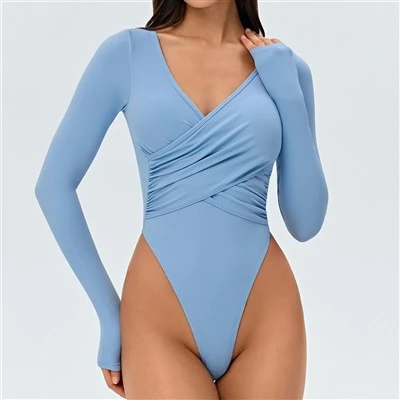
First, let’s talk about movement and range of motion—this is the foundational difference, and it’s where every other design choice stems from. Yoga is, at its core, a practice of slow, controlled, intentional movement that spans the full spectrum of human mobility: you’re folding forward into a forward fold, reaching overhead into a warrior I, twisting deep into a parivrtta konasana, and even balancing on one leg for tree pose. There’s also the element of hot yoga or power yoga, where sweat pours off you and your body expands and contracts as you move. Yoga dresses don’t have to handle sudden, sharp sprints or quick lateral shifts—those are a tennis player’s bread and butter. Tennis is a sport of explosive, multi-directional movement: you’re lunging forward to reach a drop shot, shifting left and right to cover the baseline, twisting hard to generate power for a serve, and maybe even diving to the ground for a wide ball. That movement puts way more stress on the fabric and seams than yoga ever will.
Let’s translate that into specific design features. For yoga dresses, the main priority is unobstructed, full-body stretch without restriction. The best yoga dress fabric is almost always a four-way stretch blend—think a mix of recycled polyester and spandex, or even a Buttery Soft Modal blend that moves with every muscle. The stitching is flatlocked or seamless, because bulky seams digging into your ribs or thighs during a deep backward bend or a side plank are a non-starter. The length of a yoga dress is usually mid-thigh or slightly above, but not so short that when you bend forward, your whole backside is exposed. I’ve designed dozens of our best-selling yoga dress styles with a built-in short liner that’s thin, lightweight, and non-restrictive—no extra layers that bunch up when you’re in downward dog. The neckline is usually a simple scoop or V-neck, but often with a touch of stretch to it, not a tight elastic that pulls at your shoulders when you reach overhead. There’s also usually zero extra fabric hanging off—yoga dresses are cut to skim the body, but not so tight that they feel like a second skin.
Tennis dresses, on the other hand, are built for that explosive, stop-and-go movement. Their fabric is also stretchy, but it’s usually a lighter, more durable blend—often a polyester-spandex mix that’s wicking, but also has a little more structural rigidity to hold its shape when you dive or stretch. The seams are double-stitched in high-stress areas: under the arms, along the sides, and at the crotch, because a seam popping mid-lunge is a catastrophic game-ruiner. Tennis dresses almost always have a built-in short liner, too, but those shorts are a little longer than yoga dress liners—usually 2 to 3 inches above the knee, instead of 1 to 2, to cover more of your thighs during quick moves. The neckline on a tennis dress is usually a wider scoop or a crew neck, but often with binding to hold its shape when you swing a racket overhead; you won’t find a flimsy neckline here, because a slipping neckline that exposes your chest mid-serve is a distraction no tennis player wants. Also, many tennis dresses have a little extra fabric in the torso or underarms to allow for that full range of motion when twisting, but not so much that it gets caught on a racket. Another key detail: tennis dresses often have pockets—small, tight pockets for a tennis ball or a hair tie, because you can’t exactly pull a ball out of the air mid-point. Yoga dresses almost never have pockets, because bulk in the hip or thigh area can throw off your balance during poses like tree pose or dancer’s pose.
Next up is performance in specific environments. Yoga is practiced in a controlled indoor space—usually a studio with consistent temperature, no wind, no sun beating down on you. That means yoga dress fabrics don’t need to handle UV rays, heavy rain, or constant exposure to sweat that evaporates quickly. In fact, many yoga dress fabrics are designed to hold onto a little moisture, because in hot yoga, staying slightly damp helps regulate your body temperature during long sessions. Tennis, though, is almost always played outdoors (or at least in a space with ventilation, not a sealed studio), so tennis dress fabrics are built for quick drying, UV protection, and moisture wicking that pulls sweat away from the skin and evaporates fast. If you wear a yoga dress to play tennis, that fabric that’s perfect for holding sweat during a 90-minute hot yoga class will stay damp against your thighs for the entire match, leading to chafing and discomfort. Conversely, if you wear a tennis dress to yoga, the structural fabric might not stretch enough for a deep forward fold, and the extra seams could dig into your ribs during side planks.
There’s also the unspoken priority of each category. For yoga, the focus is on mindfulness and ease—your dress should not draw attention to itself; it should let you focus on your breath and your movement. That’s why yoga dresses often come in muted, neutral colors, or soft pastels, with no logos or loud patterns. The fit is intentional, but not overly fitted—you want to look like you, just in a comfortable, flattering dress. For tennis, the focus is on performance and visibility—bright, bold colors that stand out against the green or blue of a tennis court, small logos from tennis brands that signal quality, and a fit that’s functional, not just casual. That’s why you’ll rarely see a high-visibility neon tennis dress that would also be a good fit for a yoga class, unless it’s a cross-over style, but even then, it’s made to balance both needs.
I’ve learned this the hard way, too. Early on, when I first started my Yoga Dress supply line, I made the mistake of testing a new design at a local tennis meet. I wore one of our best-selling mid-range yoga dresses, which I’d thought was stretchy enough, to a casual doubles match. By the second point, the side seam pulled at my left rib, and by the fifth game, the thin liner had ridden up so far that I was constantly adjusting it. I ended up sitting out the rest of the match, frustrated, and that’s when I realized that every detail—every stitch, every fabric blend, every inch of liner—has to be tailored to the specific activity. That mistake taught me to test every yoga dress design exclusively on yoga mats, not on tennis courts, and to create a separate line for activewear that’s built for court sports, even if it looks similar at first glance.
Another common misconception is that any dress with stretch is the same. Let’s talk about fabric technology, because that’s where the science really comes in. Yoga dress fabrics are often made with lyocell or bamboo blends, which are naturally soft and breathable, but they have a different stretch profile than tennis dress fabrics. Bamboo-spandex blend has a softer, more give that moves with your body in a slow, fluid way, while polyester-spandex for tennis has a higher denier, meaning it’s thicker and more durable, with stretch that’s more resistant to tearing. When you do a deep twist in yoga, the bamboo blend stretches and recovers without leaving marks on your skin, while a tennis fabric might be too stiff for that same movement. When you dive for a tennis ball, the polyester blend doesn’t snag on the court surface, whereas a thinner yoga fabric might tear if it catches on the concrete.
Layering is another small but important difference. Yoga often involves layering: you might wear a long-sleeve top over your dress for an early morning class, or a shawl when you’re waiting for class to start. That means yoga dresses are often cut to layer well under other pieces, with a neckline that works with a sports bra or a top layered on top. Tennis dresses, on the other hand, are usually worn on their own, with a sports bra underneath (if needed), and layered pieces are less common—you don’t see many tennis players wearing a sweater over their dress during a match. That means tennis dresses don’t need to have a neckline that’s compatible with layering, since they’re meant to be the outermost layer.
Practicality off the mat or court is also a factor. A yoga dress is versatile enough to wear for a post-yoga brunch, a trip to the grocery store, or a casual walk around the neighborhood. That’s why our yoga dresses have a timeless, flattering cut that works beyond the studio—you can pair them with sneakers for a run, or sandals for a lunch date. A tennis dress, on the other hand, is less versatile; its bright colors, small pockets for tennis balls, and structural fabric make it look like you’re heading to a match, not a brunch. That’s the beauty of the yoga dress: it’s designed to transition seamlessly between activity and everyday life, while the tennis dress is designed to excel in its specific sport, first and foremost.
I’ve had hundreds of clients reach out to me over the years, asking if our yoga dresses work for tennis, or if tennis dresses work for yoga. My answer is always the same: if you’re doing yoga, our yoga dress is made for you—soft, stretchy, no restrictive seams, perfect for every pose. If you’re playing tennis, you’ll be happier with a tennis dress that handles that explosive movement and court environment. There’s no shame in wanting a dress that does double duty, but it’s important to set realistic expectations. The best activewear is the stuff that’s built for the specific thing you’re doing right now, whether that’s holding a downward dog or lunging for a forehand.
At the end of the day, it all comes down to intention. A yoga dress is made to help you connect with your body, your breath, and your practice. A tennis dress is made to help you win a match, move fast, and stay comfortable under pressure. They look similar because they’re both activewear dresses, but dig a little deeper, and you’ll see the differences are intentional, science-backed, and tailored to the exact needs of each activity.

If you’re a boutique studio owner looking to stock high-quality yoga dresses for your clients, or a retail buyer looking to add durable, versatile activewear to your lineup, we’d love to chat. Our team has years of experience sourcing and designing yoga-specific activewear that meets the needs of both studios and retail partners, and we’re happy to walk you through our full line, answer any questions, and help you find the right fit for your customers. Reach out to our team to start the conversation about custom orders, bulk pricing, or more details about our yoga dress supply options. You won’t regret choosing a dress that’s built for the practice, not just for looking like it.
Sport Jacket References:
- American Council on Exercise. (2022). The Science of Movement-Specific Activewear. ACE Fitness.
- Textile Institute. (2021). Technical Fabrics for Athletic Apparel: Performance and Design. Textile Progress.
- International Yoga Alliance. (2020). Activewear Considerations for Modern Yoga Practices. Yoga Journal.
- International Tennis Federation. (2019). Performance Apparel Standards for Competitive Tennis. ITF Technical Department.
- Journal of Functional Fabrics and Composites. (2023). Stretch and Recovery Properties of Activewear Blends for Dynamic Movement. Sage Publications.
Ningbo Dashu Clothing Co., Ltd.
Ningbo Dashu Clothing Co., Ltd. is one of the most professional yoga dress manufacturers and suppliers in China. We warmly welcome you to wholesale cheap yoga dress in stock here and get pricelist from our factory. All customized products are with high quality and competitive price.
Address: No. 78, Xiangshanhe Road, Danxi Street, Xiangshan County, Ningbo City, Zhejiang Province
E-mail: selena@dsclothing.cn
WebSite: https://www.dashuclothing.com/
