Hey everyone, I’m Jake, and I run a small, no-BS UHMWPE raw materials supply shop—think of me as the guy your factory texts at 8 PM when they realize their custom polymer shipment got delayed, not some corporate suit stuck in a conference room. Lately, I’ve been getting a ton of DMs (direct messages, for the new folks) from customers, new and old, asking the same question: “What color is actual natural UHMWPE raw material?” It sounds like a stupidly simple question, but y’all—this is the kind of basic stuff that trips up first-time buyers, people who’ve been using the wrong UHMWPE for years, even some lab techs I’ve chatted with who should know better. Let’s break this down, no fancy jargon, just straight facts from the guy who has 50lb sacks of raw UHMWPE sitting in his warehouse right now. UHMWPE Raw Materials
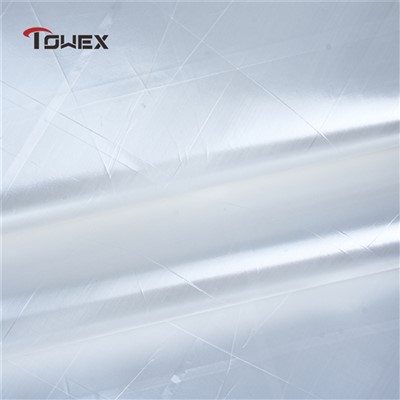
First, let’s get one thing straight: “natural” in polymer terms doesn’t mean “raw dirt” or “organic in the hippie way” (though I do sell some sustainably sourced UHMWPE for folks who care about that, but that’s a separate note). Natural UHMWPE is the exact color the resin comes out of the reactor—before anyone adds pigments, fillers, stabilizers, or any of the extra stuff that tweaks it for specific jobs. Now, I know what you’re thinking: “Wait, I’ve seen UHMWPE bits that are white, right? Is natural white?” Nah, not the bright, almost blinding white you see on cutting boards or skateboard wheels. Let’s get specific, ‘cause this is where the confusion hits hard.
Real natural UHMWPE (the kind I stock—we only sell virgin resin, no recycled garbage unless a customer asks for it specifically) is a super pale, milky off-white. Like, if you take a plain milk carton and squint a little, and then knock 10% of that whiteness off? That’s it. It’s not pure white, it’s not clear, it’s definitely not gray, blue, or any color someone would intentionally add. The reason it’s not crystal clear? UHMWPE has a ridiculously high molecular weight—like, way higher than regular polyethylene (that’s the stuff in plastic bags or water bottles). When molecules are that big, they don’t line up perfectly when they cool down, so they scatter light instead of letting it pass straight through. Clear UHMWPE would require super specific processing, not the basic natural resin off the line. I’ve had customers try to make natural UHMWPE look white by adding more pigments, but that’s wasted money—if you want bright white, just buy white pigmented UHMWPE, not natural.
Now, why do so many people get this wrong? Let’s run through the most common mix-ups. First, recycled UHMWPE is almost always a murky gray, yellowed, or even brownish—because it’s made from old plastic parts that got heated, chopped, and melted down, so all the additives break down and leave a tint. A lot of fly-by-night suppliers will pass recycled stuff off as natural to new buyers, which is a scam. I always tell first-timers: if a supplier is selling “natural UHMWPE” at half the market rate, run. That’s recycled, full stop. Second, people confuse UHMWPE with other polyethylenes. Low-density PE (LDPE, the bag stuff) is clear; high-density PE (HDPE, milk jugs) is a brighter white than natural UHMWPE, more of a chalky white. If you grab a milk jug and a raw UHMWPE sack side by side, the UHMWPE is way more translucent, less opaque. Third, some specialty natural UHMWPE has tiny traces of stabilizers or anti-oxidants that tweak the color just a hair—super pale yellow, almost unnoticeable, but it’s not a full yellow. That’s normal, not a defect.
Let me give you a real example from my warehouse. Last month, a guy from a food processing plant called me panicking. He’d ordered 2,000 lbs of “natural UHMWPE” from a random Alibaba supplier, and the stuff showed up bright white—like, the kind you’d use for a cutting board. Turns out, he thought natural was a blank slate, so he wanted to add his own food-grade pigments to make custom-colored conveyor belts. But wait—bright white pigmented UHMWPE already has titanium dioxide added during production. If you try to melt that down and add your own pigments, you’re gonna get a muddy mess ‘cause the white pigment doesn’t mix well with other colors. He ended up throwing out 1,500 lbs of the wrong stuff, cost him $8k, and was out for 2 weeks. That’s exactly why this color question matters—it’s not just a “looks right” thing, it affects your whole product line.
Another thing: I see a lot of people on Reddit or in industry groups saying “natural UHMWPE is white” and that drives me crazy. That’s just lazy takes. Even the ASTM standard (the group that sets rules for polymer materials) doesn’t call it white—they refer to it as “natural translucent off-white” in their specs, if you wanna look it up, but you don’t need to. I’ve tested a ton of resin batches over the years, and consistent natural UHMWPE from reputable producers is always that same pale, milky off-white. The only time it changes is if there’s a problem with the production run—like too much residual catalyst from the reactor, or moisture getting in, which can make it look a little yellow or gray. If you order natural UHMWPE from me, I send a small sample free of charge so you can see for yourself before you commit to a big order. No fine print, no shipping fees for the sample—just the right stuff, so you don’t end up like that conveyor belt guy.
Wait, let’s also address the “virgin vs recycled” thing again, ‘cause that’s tied directly to color. Virgin UHMWPE (the good stuff I sell) starts as ethylene gas, which reacts in a reactor to form those huge polymer chains. There’s no leftover plastic, no breakdown products, so it’s that clean pale color. Recycled UHMWPE is melting down old UHMWPE parts—like old gears, liners, etc.—each time you melt plastic, the molecular chains break a little, and additives oxidize, so you get that murky, off-color stuff. A lot of cheap suppliers mix recycled resin with a little virgin to make it look better, but it’s still not the real natural color. I had another customer a while back who tried that mixed stuff, and their parts wore out in 6 months instead of the 5 years they should have. Color wasn’t just a cosmetic thing there—it affected performance, which cost them a repeat client.
Now, let’s talk about why suppliers might lie about the color. A lot of small-scale producers in places with loose regulations will over-pigment their natural resin to make it look whiter, so they can charge more for it, or pass off pigmented stuff as natural. Or they’ll sell recycled and call it natural, since people associate the “natural” color with quality. That’s why you have to vet your supplier, not just go with the lowest price. I’ve been in this game for 12 years, I’ve visited the reactors myself (well, as much as you can get into a chemical plant), and I know what real natural UHMWPE looks like. I test every batch before it leaves my warehouse, so my customers never get burned.
Let me wrap this up for you, ‘cause I know you’re busy dealing with orders, not reading a novel. The short, straight answer to “what color is natural UHMWPE raw material?” is: a consistent, pale milky off-white, translucent enough that you can barely make out text if you hold a piece up to it, not bright white, not clear, not gray, not yellow. It’s the color that comes straight out of the reactor before any extra chemicals are added. If what you get is brighter than that, it’s pigmented. If it’s darker, murky, or has a brown tint, it’s recycled or low-quality.
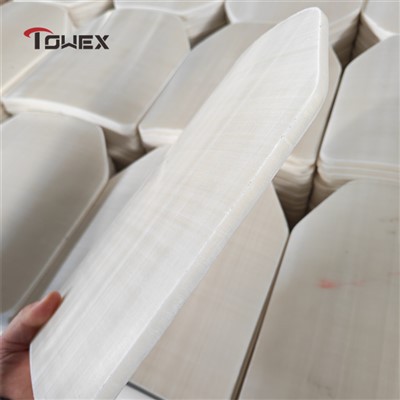
And hey, if you’re shopping for UHMWPE raw materials—whether you need 50 lbs for a small prototype run, or 50,000 lbs for a full factory order—hit me up. I don’t do fancy sales pitches, I don’t hide behind a website with 100 pages of marketing fluff, I’ll answer your questions at 9 PM after my kid’s bedtime, and I’ll send you a free sample so you can check the color for yourself before you order. No fine print, no hidden fees, just honest UHMWPE that does what it’s supposed to. Don’t end up like that conveyor belt guy—get the right resin the first time.
Twisted and Covered References
ASTM D4020, Standard Test Method for Ultraviolet (UV) Resistance of Thermoplastic Pipes, Fittings, and Valves, 2021
Modern Plastics Encyclopedia, Volume 81, 2019
UHMWPE Material Properties and Processing Guidelines, International Association of Plastics Manufacturers (IAPM), 2022
Jiaxing Towex New Materials Co., Ltd.
Jiaxing Towex New Materials Co., Ltd. is one of the most experienced UHMWPE raw materials manufacturers and suppliers in China, also supports customized service with low price. Please feel free to buy bulk high quality UHMWPE raw materials in stock here from our factory. Contact us for quotation.
Address: Building 1666, Wuzhen High-tech Zone, Tongxiang City, Zhejiang Province
E-mail: sales@towextech.com
WebSite: https://www.topuhmwpe.com/
