If you’ve ever spent time outdoors packaging goods for shipping, storage, or event displays, you’ve probably wondered about the little plastic wrap that keeps pallets, furniture, or signage secured: PE shrink film. As a PE shrink film supplier who’s been in this industry for over a decade, I get questions every single day about its durability, and one of the most common is: Is PE shrink film resistant to UV rays? The short answer is—well, it’s complicated. But before I dive into the science behind it, let me start with a quick story that sums up exactly why this question matters. PE Shrink Film
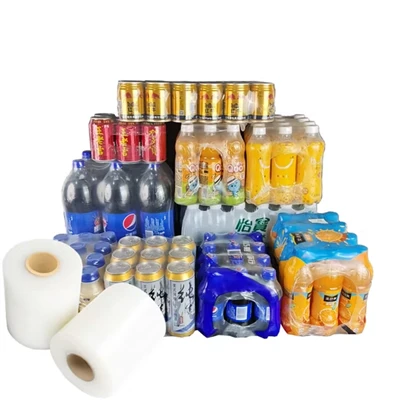
Last spring, I was working with a client who manufactured custom patio furniture. They had a big batch of outdoor dining sets they needed to ship to a retailer in Florida, and they opted for standard PE shrink film to wrap the pallets. The delivery took three weeks, and when the retailer unloaded the shipment, half the shrink film on the pallets was cracked, cloudy, and falling apart. The furniture was fine, but the shrink wrap—meant to protect it during transport and storage—had failed before it even reached the floor of the store. Turns out, the pallets had sat in a loading dock in Georgia for two more weeks after arriving, in direct sunlight, and standard PE film doesn’t hold up well to UV exposure. That experience is why I make it a point to teach every client I work with the difference between regular and UV-stabilized PE shrink film, because choosing the wrong one can cost you time, money, and headaches.
Let’s break down what PE shrink film is first, for anyone who might be new to this. PE stands for polyethylene, a lightweight, flexible plastic made from petroleum. The most common type used in shrink film is low-density polyethylene (LDPE) or linear low-density polyethylene (LLDPE), because they stretch well, shrink tightly when heated, and are affordable. That affordability is why it’s such a popular choice for packaging, but it’s also why so many people assume all PE film is the same. The problem with pure, unmodified PE is that it’s susceptible to ultraviolet (UV) radiation from the sun, which is one of the main causes of polymer degradation.
Here’s the science part, and I’ll keep it as simple as I can. UV rays have high energy levels that break the molecular bonds in plastic. When those bonds break, the plastic starts to lose its original properties: it becomes brittle, turns yellow or cloudy, and loses its tensile strength—meaning it can tear or rip easily. For a shrink film that’s supposed to keep a pallet secured, that’s a disaster. If the film breaks, dirt, moisture, dust, and even theft can become issues during transport or storage, especially if your goods are left outdoors for extended periods.
So, is any PE shrink film UV resistant? The answer is yes, but only if it’s been formulated with additives to block or absorb UV rays. I can’t tell you how many times I’ve seen suppliers label their film as “UV resistant” when it’s really just a standard film with a tiny amount of UV additive mixed in. Not all UV additives are created equal. Let’s talk about the two main types of UV stabilization used in PE shrink film: UV absorbers and hindered amine light stabilizers (HALS).
UV absorbers work by absorbing UV radiation and converting it into harmless heat, so it never reaches the polymer molecules. HALS, on the other hand, don’t absorb UV light—they scavenge the free radicals that are created when UV rays break those molecular bonds. This is actually more effective for long-term outdoor exposure, because it repairs small damage to the polymer structure before it becomes a bigger problem. The best UV-stabilized PE shrink film uses a combination of both, because that gives you the best of both worlds: immediate absorption of UV rays and long-term protection against degradation.
Now, not all UV-stabilized films are built for the same amount of exposure. That’s something I see clients get wrong all the time. We categorize our UV-stabilized PE shrink film into three main categories, based on how long they can withstand direct sunlight before losing 50% of their tensile strength (that’s the industry standard measure for when a plastic is considered degraded). The first is short-term UV resistance, which is good for 3 to 6 months of outdoor exposure. That’s perfect for things like temporary event displays, pallets that will be stored in a covered loading dock but might get exposed to sun for a few weeks during shipping, or seasonal items that only need outdoor protection for a few months. The second category is medium-term, which lasts 6 to 12 months. This is great for things like construction materials that are stored outdoors for a full construction season, or holiday inventory that’s shipped in the fall and stored until December. The third is long-term UV resistance, which can last up to 24 months in direct sunlight. That’s the film we recommend for things like outdoor signage, agricultural products that are stored outdoors for an entire growing season, or goods that will be stored in an outdoor warehouse for an extended period.
I want to be clear: even the best UV-stabilized PE shrink film isn’t the same as UV-resistant plastic made for permanent outdoor use, like the vinyl used for outdoor siding or patio furniture. PE film is thinner—most shrink film is between 40 and 100 gauge thick, which is less than a millimeter—and that thickness affects how much UV protection it can hold. The more additives you put in the film, the more it can degrade its clarity and stretch, so manufacturers have to balance UV resistance with other properties like shrink rate, tear resistance, and clarity. That’s why when I work with a client, I don’t just sell them the most expensive UV film I have. I ask them a few key questions first: how long will the goods be exposed to UV? Will they be in direct sunlight or partial shade? What are they packaging? And do they need the film to stay clear for branding or visibility?
Let me give you an example of that balance. A few months ago, a client came to me who owned a national landscaping company. They needed to wrap large rolls of artificial turf that would be shipped from their factory in Texas to job sites across the Southwest, where temperatures are high and sunlight is intense. The rolls would be loaded onto trucks, unloaded, and stored outdoors at job sites for anywhere from 2 to 5 months before installation. They had tried another supplier’s UV film before, but it was so cloudy after a month that you couldn’t see the turf inside, which made it hard for their team to inventory rolls on site. I recommended our medium-term UV-stabilized PE shrink film, which has a balanced additive package that gives it 8 months of UV protection and stays 90% clear for the first 6 months. The client just told me last week that their film is working perfectly—no cracks, no tears, and they can still count the rolls without removing the wrap.
Another common misconception I hear is that once the shrink film is heated and applied to a pallet, it’s more resistant to UV. That’s not true. Heating PE film to shrink it doesn’t change its molecular structure in a way that improves UV resistance. The additives are mixed into the film during the manufacturing process, before it’s even blown or cast into sheets. So if you need UV protection, you have to choose that film from the start, not after you’ve already shrunk it.
What about if you have a standard PE shrink film that you already bought, and it’s going to be exposed to sun? There are a few things you can do to extend its life, but it won’t be as good as using UV-stabilized film. First, store the pallets or goods in a shaded area as much as possible, even if that means using a temporary tarp. Avoid leaving them in direct sunlight for 24 hours a day. Second, make sure you’re using the right gauge of film. Thicker film (higher gauge) has more material, so it can hold up better to UV than thinner film. Third, avoid over-stretching the film during application. When you stretch PE film too much, you thin out the molecular structure, making it more susceptible to UV damage. I always train my clients to stretch shrink film to about 30% of its original length, not 100%, to get a tight seal without damaging the film.
Now, I know a lot of you might be wondering: is there a better alternative to PE shrink film for UV exposure? There are other types of shrink film, like PVC (polyvinyl chloride) or PET (polyethylene terephthalate), which have better UV resistance, but they come with their own downsides. PVC is more toxic, so it’s not recommended for food packaging, and it’s more expensive than PE. PET is more rigid and doesn’t shrink as tightly as PE, so it’s not ideal for wrapping irregularly shaped goods like pallets or furniture. PE is still the best balance of cost, flexibility, and performance, as long as you choose the right UV-stabilized version for your needs.
Let me wrap this up with a quick tip, because that’s what I always try to do for my customers. If you’re not sure whether you need UV-stabilized PE shrink film, ask yourself two questions: 1) Will my goods or packaging be exposed to direct sunlight for more than 30 days? 2) Do I need the film to stay intact for the full duration of shipping, storage, or display? If the answer is yes to either, then you need UV-stabilized film. If you’re only wrapping goods that will be kept indoors, or transported and stored in climate-controlled, covered spaces, standard PE shrink film will work just fine—it’s cheaper, more flexible, and you don’t have to pay for additives you don’t need.
At the end of the day, as a PE shrink film supplier with 12 years in this business, my goal isn’t just to sell you a roll of plastic. It’s to make sure your packaging works for you, not against you. I’ve seen too many businesses lose money because they bought the wrong film for their needs—whether that’s standard film for outdoor use, or overpaying for a heavy-duty UV film when they only need a short-term solution. If you’re planning a project that involves UV exposure for your shrink film, or if you just have questions about the best type of film for your specific needs, I’m here to help. Reach out to my team, and we can walk through your requirements, test samples, and find the perfect solution for your business.
Anti-Static Bags References:
- Crawford, R. J., & Harding, J. L. (2003). Polymer Degradation and Stabilization. CRC Press.
- Horrocks, A. R., & Anand, S. C. (2000). Handbook of Technical Textiles. Woodhead Publishing.
- American Society for Testing and Materials (ASTM). (2018). Standard Test Method for Light Resistance of Plastics and Electrical Insulating Materials (G154). ASTM International.
- Lam, M., & Rogers, M. (2012). Polyethylene Films for Packaging: Properties and Performance. John Wiley & Sons.
Shanghai Ruiyue Plastic Products Co., Ltd.
With abundant experience, we are one of the most professional pe shrink film manufacturers and suppliers in China. We warmly welcome you to buy high quality pe shrink film in stock here from our factory. If you have any enquiry about customized service, please feel free to email us.
Address: No. 1000, Lixue Road, Malu Town, Jiading District, Shanghai
E-mail: shenyang.boss@ruiyueplastics.com
WebSite: https://www.ruiyueplastics.com/
