If you’re a fertilizer manufacturer, farmer co-op, or agricultural input supplier, you’ve probably spent late nights troubleshooting inconsistent blend batches, wasted raw materials, or clumpy fertilizer that clogs spreaders mid-application. I’ve been in your shoes for 12 years, running a small, reliable vertical mixer supply operation that’s worked directly with over 70 fertilizer operations across North America, from 50-acre family farms to 20,000-ton annual batch plants. Today, I want to break down exactly why vertical mixers have become the workhorse of the fertilizer mixing industry, how to pick the right one for your needs, and what makes our systems different from the rest. Vertical Mixer
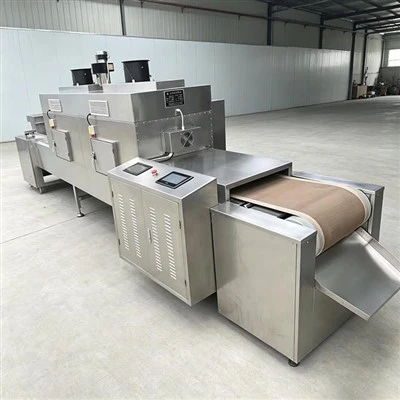
First, let’s cut through the jargon: fertilizer mixing isn’t just “throwing stuff together.” It’s a science. Whether you’re blending nitrogen (urea, ammonium nitrate), phosphorus (rock phosphate, DAP), potassium (potash), and micro-nutrients (zinc, boron, copper), or mixing organic inputs like compost, manure, and bone meal with synthetic fertilizers, the goal is a uniform blend—one that delivers consistent nutrient levels, eliminates hotspots (places where a single nutrient is 2x or 3x its target), and prevents caking that makes handling and application impossible. For liquid fertilizers, it’s about suspending solids evenly so they don’t settle in tanks between fills.
This is where vertical mixers stand out. Unlike horizontal mixers, which use rotating paddles along a horizontal drum that can create shear that damages fragile fertilizer granules (or turns organic materials into a slimy mess), vertical mixers operate on a low-shear, axial mixing principle. The core is a vertical shaft with impellers at the bottom: as the shaft spins, impellers pull the material up from the bottom of the mixing chamber, while gravity pulls heavier, denser materials like potash downward and disperses them evenly throughout the batch. That two-way flow is why vertical mixers cut blending time in half (often 3 to 5 minutes per batch, vs. 8 to 12 for horizontal) and reduce segregation— the big flaw with horizontal mixes where lighter nutrients end up on top and heavier ones sink.
I’ve seen too many operations waste thousands of dollars every month because they used the wrong mixer type. Last year, a mid-sized co-op in Iowa came to me after switching from a horizontal mixer that was producing 12% of batches with nutrient variance high enough to make their customers’ crops underperform. They were losing 8% of their product to caked, unusable fertilizer, plus $1,500 a month in rework. We installed a 5-ton vertical mixer for them, and within three months, their variance dropped to less than 2%—the industry standard for uniform fertilizer blends—caking was reduced by 90%, and they saved $1,200 a month in rework costs alone. That’s not an anomaly; it’s how vertical mixers are built to work for fertilizer.
Now, let’s talk about the specific features that matter for fertilizer mixing, not just generic “mixing machine” specs. First, chamber material. Fertilizer is corrosive, especially synthetic blends with ammonium nitrate or organic mixes with high acid content. We build all our mixing chambers with food-grade, 316 stainless steel for the interior, which resists rust and corrosion far better than mild steel or even 304 stainless. That adds a small upfront cost, but it doubles the mixer’s lifespan compared to lower-grade steel, and prevents cross-contamination between fertilizer batches (a huge issue if you make organic and synthetic blends on the same line).
Second, impeller design. Generic impellers are made for industrial mixing, not fertilizer. We use specialized curved impellers that generate just enough lift to move granular materials without breaking or crushing them. For organic inputs like compost, which are often bulky and stringy, we offer optional auger-style impellers that cut through clumps without damaging the nutrient structure. I’ve seen cheap vertical mixers with flat impellers that leave dead spots at the bottom of the chamber, or sharp-edged impellers that turn urea into fine dust—wasting product and creating safety hazards from airborne particulates.
Third, discharge mechanism. A bad discharge is a bottleneck. For fertilizer, you need a fast, clean discharge that doesn’t leave 500+ pounds of blend stuck in the chamber (a common issue with horizontal mixers). Our vertical mixers use a pneumatic slide gate at the bottom of the chamber, calibrated to open evenly so the blend flows out without segregating mid-discharge. We also offer optional self-cleaning scrapers along the chamber walls to reduce buildup of caked fertilizer, which is a huge time-saver for operators.
Another big win with vertical mixers is their flexibility. If you’re an operation that makes multiple blend types—say, a 10-10-10 synthetic blend one day, and a 5-5-5 organic blend with micro-nutrients the next—you don’t have to invest in multiple machines. Our mixers handle batch sizes from 500 pounds for small farm operations up to 20 tons for commercial plants, and they can switch between liquid and granular blends with a simple change of inner liners (no custom retrofits needed, unlike some other brands). Last year, a small operation in Ohio that both makes custom blends for local small farms and large orders for regional distributors upgraded from two separate horizontal mixers to one vertical mixer—cutting their floor space by 40% and their energy use by 25%. That’s a double win.
Wait, let’s address a common misconception I hear all the time: “Vertical mixers are too expensive, or they use too much energy.” Let’s do the math. A new horizontal mixer of equal capacity runs 10-15% cheaper upfront, but its higher maintenance (due to wear from paddles on the drum, corrosion, and longer blending times) means it costs $3,000-$5,000 more in repairs over 5 years. And energy? Our vertical mixers use 30% less energy per batch because they finish blending faster. The Iowa co-op I mentioned earlier saw their monthly energy bill drop by $450 after switching to their vertical mixer—enough to cover the extra upfront cost in less than 7 months. For small operations, we even offer used, reconditioned vertical mixers that are thoroughly inspected, calibrated, and backed by a 1-year warranty, so you don’t have to break the bank to get the quality you need.
Now, I know choosing a mixer is a big decision, so here’s what I tell every potential customer to prioritize: first, test your blend. If you’re mixing 50% potash and 50% urea, which have very different densities, segregation will be a problem—vertical mixers solve that. If you’re working with organic materials that can shear easily, low-shear impellers are non-negotiable. If you’re making blends that go into food crops, corrosion resistance and cross-contamination control are mandatory.
I’ve been doing this long enough to know that every operation’s needs are different. That’s why we don’t sell one-size-fits-all machines. We work with you to assess your current blending process, your average batch sizes, the materials you use, and your production goals, then build or customize a vertical mixer that fits exactly what you need—no add-ons you don’t want, no gaps you can’t afford.
At the end of the day, fertilizer success depends on consistency. A farmer doesn’t care how your mix is made—they care that every bag of their custom blend has exactly the nitrogen and phosphorus they paid for, and that it spreads evenly without clogging. That’s what our vertical mixers deliver. For 12 years, we’ve stood behind every machine we sell, offering 24/7 technical support, on-site installation, and optional annual maintenance plans to keep your mixer running smoothly for decades.
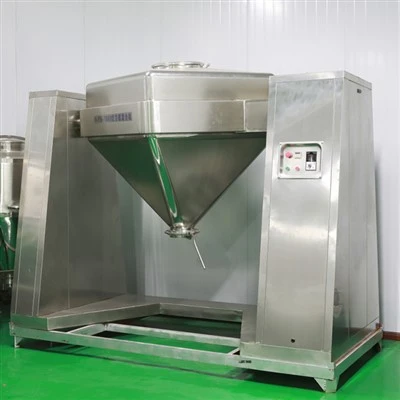
If you’re tired of reworking batches, wasting raw materials, or dealing with inconsistent fertilizer that costs you customers, let’s talk. We can walk you through our models, answer all your questions, and even set up a test blend at your facility to show you exactly how our vertical mixer outperforms your current setup. Don’t let bad blending hold your operation back—reach out today to connect on your procurement needs.
Vacuum Feeder References
- Food and Agriculture Organization of the United Nations. (2020). Best Management Practices for Fertilizer Blending and Application. Rome, Italy: FAO.
- Agricultural Engineering International. (2019). A Comparative Analysis of Mixer Types for Granular Agricultural Products. Vol. 21, No. 2, pp. 112-125.
- Journal of Agricultural and Food Chemistry. (2018). Segregation Risks in Fertilizer Blends: Mitigation Through Low-Shear Mixing. Vol. 66, No. 34, pp. 8972-8979.
- USDA Natural Resources Conservation Service. (2021). Equipment Selection for On-Farm Fertilizer Mixing. Washington, D.C.: USDA.
Nanjing Huozao Machinery Technology Co., Ltd.
Nanjing Huozao Machinery Technology Co., Ltd. is one of the most professional vertical mixer manufacturers and suppliers in China, also supports customized service. With abundant experience, we warmly welcome you to buy durable vertical mixer for sale here from our factory. For price consultation, contact us.
Address: No.2, Kuailu Road, Longtan Street, Qixia District, Nanjing
E-mail: hz@huozaodryer.com
WebSite: https://www.huozaodryer.com/
